
How Popularity Affects Classroom Identity and Nickname Duplication
Many parents worry about choosing a name their child will have to share.
They picture Emma B., Noah S., Theo with the blue backpack, or the second Olivia in the class. A name that once felt warm and beautiful can start to feel crowded the moment it appears near the top of a popularity chart.
That fear is understandable.
A child’s name is used in real places: classroom rosters, daycare cubbies, birthday parties, sports teams, doctor’s offices, family group chats, school labels, and playground callouts. Popularity is not just a number. It can affect whether a child needs a surname initial, whether a nickname feels fresh or repeated, and whether the name your family loves still feels distinct in the child’s actual world.
Still, classroom identity is more nuanced than “popular names are bad” or “rare names are safe.”
A popular name can feel individually strong. A rare name can create its own kind of attention pressure. A formal name may look distinctive while its nickname is everywhere. A spelling variant may look different on paper while sounding identical aloud. Local use can matter more than national rank.
Classroom duplication matters most when the name your child actually uses — full name, nickname, sound, or first-plus-initial — feels crowded in their real community.
The Names by Popularity hub is the right starting point when you are sorting popular, familiar, rare, rising, and underused names. For the broader editorial path through naming decisions, Expert Baby Naming Guides for Choosing the Right Name can help you keep classroom concerns in proportion with meaning, sound, origin, style, surname fit, and long-term confidence.
A shared name does not erase identity.
But a name that already feels crowded before the child arrives deserves a careful test.

Classroom Duplication Comes From the Name Children Actually Use
Classroom duplication does not come from rank alone.
It comes from the name children and adults actually say every day.
A name can rank highly nationally and never appear twice in your child’s class. Another name can rank lower but show up repeatedly in your neighborhood, school, language community, church, friend group, or family network. The chart gives context. Daily life creates the experience.
Duplication can happen through several layers:
- The same first name.
- The same nickname.
- The same sound from different spellings.
- The same first name plus last initial.
- The same initials.
- Names from the same style wave.
- Names teachers and relatives easily mix up.
That means parents need to ask what name the child will actually use.
Olivia may be high in the rankings, but classroom duplication depends on local use. Emma may become Emma B. or Emma L. if there are two in one room. Theodore may not duplicate as Theodore, but Theo or Teddy might. Eleanor, Elizabeth, and Eliana may all lead to Ellie. Jackson, Jaxon, and Jaxson may be separate spellings but one classroom sound.
Popularity should be read as a practical signal, not a verdict.
A chart tells you how many babies received a registered name. Classroom identity is about how names sound, shorten, repeat, and function around real people.
For a deeper data check before you worry about duplication, use How to Read Baby Name Popularity Data. If you are still deciding whether popularity should matter at all, How to Choose a Baby Name by Popularity gives the broader decision frame.

Classroom Identity Means Recognition, Not Total Uniqueness
Classroom identity does not require your child to be the only person with their name.
It means the name gives them enough room to be recognized as themselves.
In school and social settings, a name becomes part of a system. A teacher calls it aloud. Friends shorten it. Labels appear on cubbies and folders. Coaches add last initials. Children create nicknames. A class may distinguish two children by surname initial, personality, hobby, friendship group, or the nickname that happens to stick.
Some children do not mind sharing a name. Some enjoy it. Others dislike becoming “Name + Initial,” especially when they expected their name to feel more distinct.
The parent’s worry is not always the child’s future worry.
Still, the daily experience deserves thought before the birth certificate is signed.
Ask:
- Would duplicate first-name use bother us?
- Would it bother us if the child became “Name + Initial”?
- Does the name have nickname options?
- Is the full name strong enough if the first name duplicates?
- Will we use the formal name or a nickname every day?
- Is the name popular nationally, locally, or mainly online?
- Do we love the name enough to accept possible duplication?
A name does not lose all identity because another child shares it.
The concern becomes sharper when the main reason you love a name is that it feels distinctive. Parents choosing for sound, meaning, family story, heritage, or long-term style may accept duplication more easily than parents choosing mainly for rarity.
For a cleaner comparison of popular and less common choices, use Popular vs Rare Baby Names: How to Decide. When a beloved popular name is still hard to release, When a Popular Name Is Still the Right Choice can help you judge the tradeoff without panic.

First-Name Duplication and Nickname Duplication Create Different Problems
Two children can share a formal name but use different daily names.
Two children can also have different formal names and still use the same nickname.
The second pattern is easier to miss.
Two girls named Charlotte may not both use Charlotte. One may become Lottie; the other may become Charlie. But three children named Eleanor, Eliana, and Elizabeth may all end up as Ellie. Theodore and Theo may both be Theo in class. Isabella and Arabella may both become Bella. Charlotte and Charles may both become Charlie.
Registered-name duplication is easier to see in data.
Daily-name duplication is often more relevant.
Before choosing a name with nickname potential, ask:
- What will we actually call the child?
- What will other people naturally call them?
- Is the nickname more common than the full name?
- Would we mind if the nickname duplicates?
- Do we like alternate nickname options?
- Would we use the full name intentionally to avoid a crowded nickname?
This matters especially for long, flexible names.
Elizabeth, Charlotte, Theodore, Josephine, Alexander, Eleanor, and Isabella are strong partly because they offer options. The most obvious option, though, may sit inside a crowded nickname cluster.
For nickname planning, use How to Check Nickname Potential Before You Choose.
Nickname Clusters Can Crowd a Name That Looks Distinct on Paper
Nickname clusters are one of the biggest hidden duplication issues.
A formal name may not look overused, but the daily nickname may be shared by children with many different registered names.
| Nickname Cluster | Formal Names That May Lead There | What to Check |
| Ellie | Eleanor, Elizabeth, Eliana, Gabrielle, Ellie | Whether the daily name feels more common than the formal name |
| Theo | Theodore, Theodora, Theo | Whether you intend to use the full name or the short form |
| Evie | Evelyn, Eva, Genevieve, Evangeline, Evie | Whether the sweet nickname is already everywhere locally |
| Bella | Isabella, Arabella, Annabella, Bella | Whether Bella is the real name you love |
| Charlie | Charlotte, Charles, Charlie | Whether cross-gender use increases real-life visibility |
| Max | Max, Maxwell, Maximilian, Maximus | Whether compact strength comes with more duplication than expected |
| Addie | Adeline, Adelyn, Addison, Adelaide | Whether several formal names collapse into one daily sound |
| Leo | Leo, Leonardo, Leon, Leopold | Whether the short form is more visible than the formal name |
These clusters are not reasons to avoid a nickname automatically.
They are reasons to check whether the daily name matches your popularity comfort zone. If nickname duplication would bother you, choose a formal name with more than one route. Elizabeth can become Eliza or Libby instead of Ellie. Charlotte can become Lottie instead of Charlie. Eleanor can become Nora or Nell instead of Ellie. Alexander can become Xander instead of Alex.
That flexibility is one reason longer familiar names can still work well. For more on recognizable names with individuality, see How to Choose Familiar Baby Names With Personality.
Spelling Variants Often Do Not Reduce Spoken Duplication
Spelling can make a name look different on paper.
It does not always make the name feel different aloud.
Teachers and classmates usually experience sound before spelling. A child named Sophia, Sofia, or Sofiya may still hear the same spoken name. Lily, Lilly, and Lillie may create one shared classroom sound. Jackson, Jaxon, and Jaxson may be written differently but called out almost the same way. Aiden, Aidan, and Ayden follow the same pattern. Adeline, Adelyn, and Adalynn may overlap depending on local pronunciation.
This matters when parents choose a variant spelling to avoid popularity.
A different spelling may not reduce duplication. It may simply add correction.
Ask:
- Will the name sound identical to several spellings?
- Is the variant meaningful or decorative?
- Would spelling distinction matter socially?
- Will the child still be “Sofia with an f” or “Jaxon with an x”?
- Does the spelling reflect origin, language, or family tradition?
- Is the spelling worth the correction burden?
Variant spellings are not always a problem. Sofia may be the right choice for language or heritage reasons. A spelling can carry cultural value, family meaning, or pronunciation logic. But when the goal is classroom distinctiveness, spelling alone may not do the work you want.
For spelling concerns, read How to Avoid Spelling Regret. If the spelling reflects heritage rather than decoration, How to Keep a Cultural Spelling Without Creating Constant Friction offers the better lens.
Popular Names Can Still Feel Personal When the Full Choice Is Strong
A popular name does not erase individuality.
Many parents feel almost guilty when they love a name other people also love. That guilt is unnecessary. A name does not need to be rare to be meaningful. It needs to feel right in the full context of your child’s name and family life.
A popular name can still work beautifully when it has:
- Strong full-name flow.
- Meaningful origin.
- Nickname options.
- Family story.
- Clear style.
- Confident sound.
- Surname distinction.
- Middle-name support.
- Long-term usability.
Olivia is popular, but lyrical and classic-soft, with routes such as Liv, Olive, or Livia. Noah is widely used, yet simple, gentle, and cross-cultural. Charlotte is popular, but elegant and nickname-rich. Henry is familiar, classic, and warm. Sophia is common in many places, but meaning-rich. James is widespread, but timeless and flexible.
A popular name may be the right choice when:
- You love it beyond its trend status.
- It sounds right with the surname.
- It has a meaning or story you value.
- You can accept possible duplication.
- You prefer it over less common alternatives.
- The full name feels like your child, not just a chart entry.
Some children with popular names feel completely individual because their full name, nickname, personality, and relationships give the name its own life.
When popularity is making you second-guess a name you truly love, When a Popular Name Is Still the Right Choice is worth reading. If the name is mainstream and you want it to feel more intentional, How to Choose Mainstream Baby Names Without Feeling Generic is the better next step.

Full-Name Layers Make Duplication Easier to Accept
If a first name duplicates, the rest of the name can still create identity.
Think of the name as a system, not a single word.
That system can include:
- First name.
- Middle name.
- Surname.
- Nickname.
- Initials.
- Meaning.
- Origin.
- Family story.
- Cultural layer.
- Sibling fit.
- Personal use over time.
Emma Celeste Chen feels different from Emma Rose Miller. Noah Rafael Brooks feels different from Noah James Carter. Charlotte Iris Nguyen feels different from Charlotte Grace Parker. Theodore Atlas Lee feels different from Theodore John Hart. Sophia Marigold Rivera feels different from Sophia Marie Collins.
Even when the first name is shared, the full name may still feel distinct.
Parents sometimes focus so intensely on first-name rank that they forget the actual name their child will carry. A strong middle, surname rhythm, family meaning, or nickname plan can make a popular first name feel much more personal.
Ask:
- Does the full name feel distinct even if the first name duplicates?
- Is the middle name doing identity work?
- Does the surname create enough distinction?
- Does the nickname allow choice?
- Is the meaning or story strong enough?
- Would we still love the full name if another child shared the first name?
A duplicated first name is easier to accept when the full-name system feels intentional.
For full-name strategy, read How Middle Names Work When You Are Building a Full Name, How to Build a First-Middle-Surname Combination That Flows, and How to Choose a Middle Name.

First Name Plus Last Initial Can Become the School Version
When two children share a name, schools often add the last initial.
That is how Emma becomes Emma B., Noah becomes Noah S., and Olivia becomes Olivia M. The label may be neutral and practical. It may also become sticky enough that the child is known by it for years.
This is not automatically a problem.
It is worth testing.
Say the first name with the last initial:
- Emma B.
- Theo R.
- Ava M.
- Ellie G.
- Max P.
- Jack P.
- Ari S.
Listen carefully. Does it sound natural? Does it blend into another word? Does it create an awkward phrase? Does it sound too much like a nickname you do not want?
Also check full initials and monograms.
A child may not care much about initials in preschool, but initials appear on school labels, backpacks, sports rosters, forms, and email addresses later. When a name has high duplication risk, initials may become more visible.
Ask:
- Does first name + last initial sound okay?
- Do the full initials create an awkward word?
- Would “Name + Initial” bother us?
- Is there another nickname option if duplication happens?
- Does the middle name help create a more distinct identity?
For practical screening, use How to Check Initials, Monograms, and Awkward Combinations and How to Match a First Name With Your Surname.

Local Popularity Often Predicts Classroom Duplication Better Than National Rank
National popularity gives context.
Local popularity predicts lived experience.
Your child will not share a classroom with a national chart. They will share a classroom with children from a specific region, school, language community, cultural background, and social circle.
Local duplication can be shaped by:
- Neighborhood naming style.
- School or daycare demographics.
- Language and cultural community.
- Religious community.
- Parent friend group.
- Regional trends.
- Sibling names around you.
- Preschool and activity rosters.
Mateo may duplicate more often in Spanish-speaking communities. Theodore and Eleanor may cluster in classic-vintage circles. River, Sage, and Willow may appear more often in nature-loving communities. Isla and Freya may depend heavily on country and region. Noa and Noah may differ by language, culture, and gender association.
Ask:
- Have we heard this name locally?
- Are similar names appearing in our circle?
- Does our community favor this style?
- Is the name popular in our family’s language community?
- Have nearby families used the same nickname?
- Is local duplication more important to us than national rank?
When you already know three babies named Theo in your immediate circle, the national ranking may not matter as much. Your local experience is already giving you usable information.
For more on reading data in context, use How to Read Baby Name Popularity Data. If culture or language affects local use, see How to Choose a Baby Name by Origin, How to Choose a Name That Works in Two Languages, and Names by Origin.

Style Waves Can Create Almost-Duplicate Names Without Exact Repetition
Exact duplication is not the only way a name can feel crowded.
A classroom can have many different names that share the same style, sound, ending, or rhythm. The names are not duplicates, but they may feel as if they belong to one trend wave.
| Style or Sound Cluster | Examples | Duplication Risk |
| Soft vowel names | Mila, Luna, Isla, Aria, Ava, Mia | Different names may still feel close in sound |
| Vintage revival names | Eleanor, Theodore, Hazel, Arthur, Florence | Warm classics may cluster in style-conscious communities |
| Nature-calm names | River, Sage, Willow, Rowan, Ivy | The whole category can feel highly visible |
| Surname-style names | Parker, Carter, Hudson, Brooks, Collins | Polished structure may become era-marking |
| Shared endings | Jackson, Mason, Grayson, Hudson, Rowan, Roman, Nolan, Ronan | Rhythm and ending can blur even when names differ |
This kind of crowding is not always bad.
Some parents like names that feel socially current. Others dislike style saturation more than exact duplication.
Ask:
- Does the name sound too close to many classmates?
- Is the name part of a highly visible sound family?
- Does that bother us or feel cohesive?
- Is exact duplication the real concern, or style saturation?
- Would a name from a different style lane feel fresher?
For style context, browse Names by Style. To judge whether a style wave feels too trend-led, read How to Tell If a Name Feels Too Trendy, How to Avoid Choosing a Name That Dates Too Fast, and How to Choose a Baby Name by Style.

Gender-Neutral Names Can Duplicate Across Chart Categories
Unisex and gender-neutral names add another layer to duplication.
A name may appear separately on boys’ and girls’ charts, but in a classroom, activity group, or friend circle, children hear one name. The combined use may feel higher than either chart entry suggests.
Names such as Riley, Avery, Rowan, River, Sage, Quinn, Charlie, Jordan, and Taylor can be used across gender categories. That can be part of their appeal. It can also increase the chance of sharing a name in mixed-gender settings.
Cross-gender use is not a problem by itself.
The point is to understand the full usage picture.
Ask:
- Do we like cross-gender use?
- Is combined use higher than one chart suggests?
- Would sharing the name across genders bother us?
- Does the name lean one way locally?
- Does the name have nickname or full-name flexibility?
- Are we choosing the name partly because it feels open-ended?
Some families love the broad usability of a gender-neutral name. Others prefer a name with a clearer direction. Either choice can be thoughtful when it is made with awareness.
For the broader naming decision, read How to Choose a Gender-Neutral Name and use How to Read Baby Name Popularity Data for combined-use thinking.

Popularity Can Shape First Reactions Before the Child Defines the Name
Names carry associations before a child has a chance to define them.
A teacher may have already known many Avas, Liams, Emmas, Noahs, Jacksons, Ellies, or Sophias. A coach may have several Charlies. A parent friend group may already contain three Theos. Familiarity can shape first reactions.
This does not determine the child’s identity.
It simply means popular names arrive with social history.
That can be reassuring. A familiar name is easy to understand, easy to say, and unlikely to surprise people. It can also create mild fatigue when adults have heard the name many times recently.
A child will still make the name their own through personality, relationships, voice, interests, humor, and daily use.
But if you are sensitive to the idea that a teacher may already associate the name with many children, popularity may matter more to you.
Ask:
- Does the name feel warmly familiar or tired in our community?
- Do adults around us react with delight or “another one” energy?
- Is the name tied to a recent wave?
- Does the full name refresh the familiar first name?
- Would a less common but familiar name feel better?
When your concern is not duplication but future datedness, read How to Avoid Choosing a Name That Dates Too Fast. If the name is rising but not yet everywhere, How to Spot Rising Baby Names Before They Peak can help you judge the timing.

Rare Names Trade Duplication Risk for Spotlight Risk
Rare names reduce same-name duplication.
They do not remove classroom identity concerns.
They simply change the type of concern.
A popular name may create shared identity. A rare name may create spotlight identity.
Opal may be the only one in class, but the name is short and clear. Caspian is memorable and uncommon, with literary and place-based texture. Elowen is rare in many places but soft and name-like. Zephyr is bold and more attention-grabbing. Peregrine is distinctive, but likely to invite questions.
Rare-name risks can include:
- Being the only person with the name.
- Repeated pronunciation correction.
- Repeated spelling correction.
- Teacher hesitation.
- Peers noticing the name first.
- Stronger identity pressure.
- The name feeling more like a statement than a natural fit.
For some children, that visibility is not a problem. For others, it may feel heavy.
The decision is not popular versus rare as a moral choice. It is whether your family is more comfortable with the risk of sharing a name or the risk of standing out.
For rare-name usability, read How to Choose Rare Baby Names That Still Work in Daily Life.

Shared Names Do Not Automatically Weaken Identity
Parents can overestimate how much duplication will matter.
Some children like meeting someone with the same name. Some feel less singled out. Some enjoy nickname differences. Some barely notice after early childhood. Many are known more by personality, friendship group, interests, humor, or style than by whether their first name is shared.
Being Emma B. or Noah S. is not automatically negative.
It may simply be practical.
The worry becomes more serious when parents already feel disappointed every time they hear the name on another child. If the adults feel possessive of the name’s distinctiveness, they may struggle more than the child will.
Ask:
- Are we worried because of data or because of our own school experience?
- Would duplication truly bother us?
- Would it bother us only if the name duplicated locally?
- Do we still love the name enough?
- Does the name have flexible identity options?
- Would a less common alternative feel equally right?
The goal is not to remove every possible overlap.
The goal is to choose a name you can still love if real life adds a last initial, a shared nickname, or another child with the same first name.

Duplication Should Make You Pause When It Already Feels Disappointing
Duplication is not always a dealbreaker.
It can still be useful information.
Pause when:
- You already know multiple babies with the name.
- The nickname is everywhere locally.
- The first-plus-initial version sounds awkward.
- Your child would share first name and last initial with someone close.
- You dislike all alternate nicknames.
- You chose the name mainly for distinctiveness.
- You would be upset if it became “Name + Initial.”
- The name duplicates a cousin or sibling name.
- The sibling set creates repeated confusion.
- You keep trying to make the name feel less common.
For example, if you love Eleanor but dislike Ellie, and your local community already has several Ellies, you need a nickname plan. If two close cousins are both Theo, the shared family space may matter more than national rank. If your favorite name would become Ava M. and you strongly dislike that sound, test alternatives.
A name does not have to be rejected because it duplicates.
But you should not ignore a duplication pattern that already bothers you.
For regret prevention, read How to Avoid Baby Name Regret and How to Know When a Name Feels Right.

Ways to Reduce Duplication Risk Without Abandoning the Name
Sometimes you do not need to give up the name.
You need to adjust how the name works.
| Strategy | How It Reduces Duplication Pressure | Examples |
| Use the full name intentionally | Keeps a strong formal name from collapsing into a crowded nickname | Eleanor instead of Ellie, Theodore instead of Theo |
| Choose a less expected nickname | Gives the child a daily name with more distinction | Elizabeth to Eliza or Libby, Charlotte to Lottie, Alexander to Xander |
| Use a meaningful middle name | Makes the familiar first name feel more personal | Emma Juniper, Noah Rafael, Sophia Marigold, Charlotte Iris, Henry Atlas |
| Choose a related but less clustered name | Preserves the feeling while reducing overlap | Emma to Clara, Leo to Felix, Lily to Iris |
| Check spelling variants before choosing | Avoids adding correction without reducing sound overlap | Sophia/Sofia, Jackson/Jaxon, Aiden/Ayden |
| Test first name plus last initial | Prepares for the practical school version | Emma B., Theo R., Max P. |
| Decide whether duplication is actually a dealbreaker | Keeps fear from removing a name you genuinely love | A name may be worth sharing |
If meaning is the layer that makes a popular name worth keeping, browse Names by Theme or read How to Choose a Baby Name by Meaning.
For choosing within the familiar zone, read How to Choose Mainstream Baby Names Without Feeling Generic and How to Choose Familiar Baby Names With Personality.
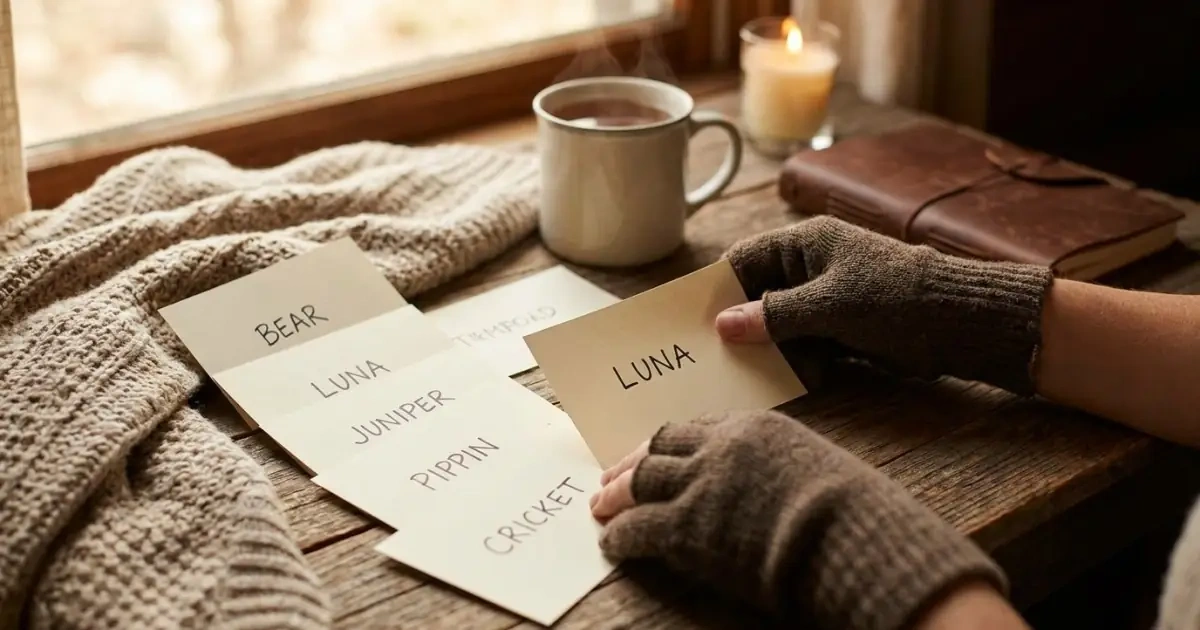
Nickname Planning Gives the Child More Classroom Flexibility
You cannot control every nickname forever.
You can shape early use.
Before choosing a name, decide:
- The nickname you prefer.
- Whether you want full-name use.
- A backup nickname.
- Which nicknames you dislike.
- Whether the nickname is more common than the full name.
- How you will introduce the name to family and teachers.
- Whether the child can choose another version later.
Elizabeth can be Eliza at home and Elizabeth formally if you want to avoid Ellie. Theodore can be Teddy at home and Theodore at school. Charlotte can be Lottie instead of Charlie. Josephine can be Jo, Josie, Posy, or full Josephine. Alexander can be Xander if Alex feels too common. Eleanor can be Nora or Nell if Ellie feels crowded.
A nickname plan is not about controlling the child’s identity.
It is about giving the name a strong starting pattern.
Over time, the child may choose a different version. That is healthy. A flexible name gives them room.
The strongest nickname systems tend to do three things:
- They include at least one version parents genuinely love.
- They avoid relying on a nickname parents dislike.
- They leave room for the child to grow into another form.
For a fuller process, use How to Check Nickname Potential Before You Choose.

Sibling Names Can Increase or Reduce Everyday Name Confusion
Classroom duplication is one kind of overlap.
Household duplication is another.
Even if two names are not popular, they may be too close within the family. Parents may mix them up. Teachers may mishear them. Siblings may feel their names are too matched or too uneven.
Watch for:
- Very close sounds.
- Shared initials.
- Same nickname endings.
- Same style cluster.
- Names that blur when called quickly.
- Twin or multiple names that feel too matched.
- One child getting a much more distinctive name.
Examples include Ava and Eva, Lily and Lila, Theo and Leo, Ellie and Evie, Mason and Madison, Rowan and Roman, or Isla and Aria.
Some near matches are charming. Others become annoying in daily life.
Ask:
- Can the names be called clearly across the house?
- Do sibling names blur together?
- Do nicknames create confusion?
- Does one child get the more distinctive name?
- Do the names share style without sounding like a set?
- Would teachers or relatives mix them up?
A sibling set should feel connected, not repetitive.
For sibling strategy, read How to Choose Sibling Names That Fit Without Matching Too Hard, How to Balance Different Style Levels Between Siblings, and How to Name Twins Without Being Too Matchy.

Signs a Popular Name Still Has Enough Individual Strength
A popular name may still be strong when several signs point in the same direction.
Keep it in serious contention when:
- You love the name beyond popularity.
- The full name has rhythm and distinction.
- The middle name adds meaning or texture.
- Nickname options are flexible.
- The surname initial sounds fine.
- You can accept possible duplication.
- The name works across childhood and adulthood.
- It has meaning, origin, or family story.
- Local duplication risk is acceptable.
- You prefer it over less common alternatives.
These signs matter more than the number alone.
A popular name with a strong full-name system can feel more personal than a rare name chosen only to avoid duplication.

Signs Classroom Duplication May Be Too Much for Your Comfort
Duplication may be too much for your comfort when the discomfort keeps returning.
Pause when:
- You want the name mainly because it feels distinctive.
- You already feel disappointed when you hear another child with it.
- The nickname is common and you dislike alternatives.
- You hate the idea of “Name + Initial.”
- Your close circle already uses it.
- It duplicates sibling or cousin names.
- You keep looking for ways to make it feel less common.
- A familiar-but-less-used name feels more peaceful.
- You would feel regret if the name became more popular.
- The daily name is more crowded than the formal name.
These signs do not mean the name is bad.
They mean the name may not match your duplication tolerance. When that happens, do not force yourself to become relaxed about popularity. Look for a name that gives you the same sound, meaning, style, or emotional feeling with less daily overlap.

Mistakes Parents Make When Judging Classroom Name Duplication
Classroom duplication is easy to overstate and easy to underestimate.
Watch for the mistakes that make the decision less honest.
| Mistake | Why It Misleads You | Better Move |
| Assuming Top 10 always means multiple classmates | A Top 10 name is popular, but duplication depends on share, local use, variants, and class size | Read the data in context |
| Ignoring local context | National rank may not match your real community | Listen to names around you |
| Forgetting nickname clusters | The formal name may not duplicate, but the nickname might | Check the daily name |
| Ignoring spelling variants | Different spellings can still create the same spoken name | Count sound, not just spelling |
| Choosing a variant spelling to avoid duplication | A variant may add correction without changing the classroom sound | Choose variants only when they have meaning |
| Forgetting first name plus last initial | This may become part of your child’s school label | Say it aloud before choosing |
| Assuming rare names have no classroom risk | Rare names avoid same-name overlap but may create spotlight pressure | Test daily usability |
| Letting chart fear kill a name you truly love | Popularity should be considered, not obeyed automatically | Check whether the tradeoff is truly unacceptable |
| Not planning nickname use | A disliked nickname can take over if no pattern is set | Introduce the preferred form early |
| Ignoring sibling sound overlap | A name can be fine in class but confusing at home | Test the set together |
| Thinking duplication determines identity | A child’s identity is shaped by far more than shared first-name use | Build a strong full-name system |
A duplication check should make the name clearer, not smaller.

A Practical Framework for Judging Classroom Duplication Risk
Use this framework when you love a name but worry it will feel crowded in school.
Step 1: Check official popularity rank
Start with the chart, but do not stop there.
Check:
- Current rank.
- Whether the name is high, moderate, underused, or rare.
- Whether the ranking reflects your country or region.
- Whether the chart counts exact spellings only.
- Whether the data is recent enough to matter.
Rank gives context, not the whole classroom experience.
Step 2: Check raw count or percentage share
A high rank may look scarier than the actual share.
Look for:
- Number of babies given the name.
- Percentage share of births.
- Whether the name is truly dominant.
- Whether the era has more naming variety than older generations.
- Whether likely duplication matches your emotional reaction to the rank.
This is especially useful when a Top 10 name feels automatically unusable.
Step 3: Check variants and sound-alikes
Spelling can hide duplication.
Review:
- Sophia/Sofia/Sofiya patterns.
- Lily/Lilly/Lillie patterns.
- Jackson/Jaxon/Jaxson patterns.
- Aiden/Aidan/Ayden patterns.
- Adeline/Adelyn/Adalynn patterns.
- Names that differ on paper but sound close when called aloud.
When classroom sound matters, exact spelling is only part of the story.
Step 4: Check nickname clusters
Ask what the child will actually be called.
Watch for:
- Ellie.
- Theo.
- Evie.
- Charlie.
- Max.
- Bella.
- Addie or Addy.
- Leo.
A formal name can look distinctive while the daily nickname feels crowded.
Step 5: Check local use
Think beyond the national chart.
Notice:
- Friend groups.
- Daycare or preschool rosters.
- Neighborhood patterns.
- Language background.
- Religious or cultural community.
- Nearby families.
- Similar names used around you.
Local repetition may matter more than national popularity.
Step 6: Test first name plus last initial
Say the likely school version aloud.
Test:
- Emma B.
- Theo R.
- Ava M.
- Ellie G.
- Max P.
- Your child’s actual first name plus surname initial.
Check whether it sounds neutral, awkward, phrase-like, or too close to something you dislike.
Step 7: Check sibling and cousin overlap
Family duplication can matter more than chart duplication.
Look for:
- Same first names.
- Same nicknames.
- Shared initials.
- Names that blur when called quickly.
- Cousins with the same daily name.
- Sibling names from the same strong style wave.
A name that works on a chart may still create confusion at home.
Step 8: Decide your duplication tolerance
Be honest before you force confidence.
Ask:
- Would sharing the name bother us a little, a lot, or not much?
- Would local duplication bother us more than national popularity?
- Would nickname duplication feel worse than first-name duplication?
- Would “Name + Initial” bother us?
- Would we still choose the name if another family nearby used it?
Tolerance matters because the same data can feel fine to one family and unacceptable to another.
Step 9: Build an identity layer
A stronger full-name system can make duplication easier to accept.
Use:
- A meaningful middle name.
- A nickname plan.
- Strong full-name rhythm.
- Origin or heritage.
- Family story.
- A sibling set that feels balanced.
- Initials and surname flow that work cleanly.
A shared first name feels less concerning when the full name has its own shape.
Step 10: Choose only after the name still feels like your child’s name
After all the checks, return to the emotional center.
Ask:
- Does the name still feel right?
- Can we accept the realistic level of duplication?
- Does the full-name system feel strong enough?
- Would a calmer alternative make us happier?
- Are we choosing from love, not fear?
When the answer still feels steady, duplication risk may be acceptable. When the name now feels fragile, look for a less crowded route.
For final confidence, use How to Test a Baby Name Before Finalizing It and How to Compare Baby Names Objectively.

Classroom Identity Examples by Decision Type
Examples are useful when they show what kind of duplication risk to check.
Use these as decision models, not rules.
| Decision Type | Examples | What to Check |
| Popular names that can still work well | Olivia, Noah, Emma, Liam, Charlotte, Henry | Whether the full-name system is strong enough to accept visibility |
| Nickname-cluster names | Eleanor, Elizabeth, Theodore, Isabella, Charlotte, Josephine, Alexander | Whether the daily nickname is more crowded than the formal name |
| Variant-heavy sound families | Sophia/Sofia, Lily/Lilly/Lillie, Jackson/Jaxon/Jaxson, Aiden/Aidan/Ayden, Adeline/Adelyn | Whether different spellings still create one spoken classroom group |
| Familiar alternatives with less duplication pressure | Clara, Felix, Iris, Simon, Alice, Nora | Whether a recognizable name gives enough personality with less crowding |
| Rare names with spotlight risk | Opal, Caspian, Elowen, Zephyr, Wren, Peregrine | Whether avoiding duplication creates correction or attention pressure |
Names like Olivia and Charlotte earn their high visibility through lyrical polish and classic flexibility, much like the effortless warmth of Noah, Emma, Liam, and Henry. Their risk is not weakness; it is whether your family can accept the chance of sharing them.
Robust formal choices — especially Eleanor, Theodore, Josephine, Elizabeth, Isabella, Charlotte, and Alexander — demand a different kind of caution. Their everyday diminutives can crowd a classroom more than the birth certificate suggests. Ellie, Theo, Josie, Bella, Charlie, Alex, or Xander may matter more in daily life than the formal name parents carefully chose.
The same problem appears with variant-heavy sound families. Sophia and Sofia, Lily and Lillie, Jackson and Jaxon, Aiden and Ayden, or Adeline and Adelyn may feel separate in data while behaving as one auditory group in school. That is where quieter familiar choices such as Clara, Felix, Iris, Simon, Alice, and Nora become especially appealing: recognizable enough to use easily, but less likely to collapse into a crowded cluster.
Rare names solve one problem and introduce another. Opal, Caspian, Elowen, Zephyr, Wren, and Peregrine may reduce same-name overlap, but they deserve pronunciation, spelling, and spotlight testing before they become daily names.

Questions Parents Ask About Classroom Name Duplication
Will a popular name make my child feel less individual?
Not automatically. Identity comes from the full name, nickname, family story, personality, relationships, and daily use. A popular name can still feel personal when the full-name system is strong.
Is it bad if my child becomes “Emma B.” or “Noah S.”?
Not always. Some children do not mind first-plus-initial labels. Still, test whether the version sounds okay and whether you would feel disappointed if it became common in school.
Should I avoid a name if I already know one child with it?
Not automatically. Ask how close the child is, whether they will share school or social space, and whether the overlap bothers you emotionally.
Can nickname duplication be worse than first-name duplication?
Yes. When many formal names produce the same nickname, daily-name overlap can be higher than the formal name’s chart rank suggests.
Is a rare name safer for classroom identity?
It avoids same-name duplication, but it can create spotlight, pronunciation, or spelling pressure. Rare names need their own daily-life test.

Where to Go Next If Duplication Is Your Main Concern
Duplication is worth taking seriously, but it should not flatten the whole naming decision.
Let your exact concern shape your next move. If your anxiety stems purely from statistics, the analytical frameworks in Names by Popularity and its data-reading guide will help separate chart panic from actual classroom overlap. Should you fear style saturation or cultural overlap, grounding your search in Names by Style or Names by Origin offers steadier context.
Ultimately, if a name’s core symbolism still anchors your heart, explore Names by Theme to confirm whether its personal weight justifies the popularity tradeoff.
A child’s name is not only a classroom label. It is a full-name system, a daily sound, a possible nickname, a family choice, a story, and eventually something the child makes their own. Choose with enough awareness to avoid unpleasant surprises, and enough trust to let real life give the name meaning.