
How to Keep a Cultural Spelling Without Creating Constant Friction

A cultural spelling can be one of the most meaningful parts of a baby name.
It may preserve the language the name comes from. It may connect a child to grandparents, migration history, faith, homeland, or a family branch that might otherwise feel easy to lose. It can also show that the name is not simply a sound parents liked, but a name with roots.
Parents are right to be practical about it.
Will teachers misread it? Will relatives keep spelling it wrong? Will the child spend years correcting forms, apps, appointment desks, and classmates? Will a name that feels beautiful inside the family become tiring in public?
That tension is real.
Aoife and Niamh preserve an Irish spelling system, but many English speakers will need help with pronunciation. Sofia and Sophia may sound similar, yet the spelling can signal different language, style, or family preferences. Noa and Noah look close on paper, but they can change cultural perception, gender assumptions, and pronunciation expectations.
Avoid the blunt version of the question: should difficult spellings always be avoided?
The real decision is more precise. Is this spelling meaningful enough to preserve, and can the family reduce the friction around it?
When a spelling carries origin, pronunciation history, language identity, or family continuity, start by understanding that context through Baby Names by Origin. A cultural spelling should not be judged only by how quickly strangers can guess it. It should be judged by what it preserves, how usable it is, and whether parents are prepared to support the child in carrying it.
For the broader baby-name process, Expert Baby Naming Guides for Choosing the Right Name can help you keep this spelling decision connected to pronunciation, surname fit, middle names, initials, family pressure, and long-term usability.
A meaningful spelling does not have to be effortless.
It does need a plan.

Cultural Spelling Is Part of the Name’s Identity, Not a Decorative Detail
Spelling can carry identity.
For some names, the letters are not a decorative layer added after the sound. They are part of the name’s structure, history, and connection to a language. Changing them can make the name easier in one setting while weakening the reason parents loved it.
A cultural spelling may preserve:
- The original language system. The spelling may follow rules that make sense inside the name’s own language.
- Pronunciation clues for speakers of that language. The spelling may guide the sound for people who know the tradition.
- Family continuity. A name may look the same across generations, documents, and family stories.
- Religious or cultural tradition. The form itself may be tied to practice, community, or inherited use.
- Connection to homeland or diaspora identity. Keeping the spelling can be a way of refusing automatic erasure.
- Distinction from a different name with a similar sound. A near-match may not carry the same origin or meaning.
- A historical or regional form. Older or place-specific spellings can hold real context.
- The name’s visual identity. For some families, the way the name looks is part of what makes it feel true.
Sean is not simply a more unusual way to spell Shawn. It preserves an Irish form. Sofia and Sophia may reflect different language contexts. Catherine and Katherine are both established variants, not random modern respellings. Mateo and Matteo may point toward different cultural roots.
This does not mean every original form must be preserved at all costs.
Parents should understand what changes when the spelling changes. A simpler form may improve usability. An established variant may fit the family better. An invented or overly simplified version may remove language, heritage, or clarity.
That distinction matters most when a name has strong roots in a living culture or family tradition. How to Choose Names With Strong Cultural Roots Respectfully can help you think through the relationship between spelling, origin, and respectful use. When the name is traditional but feels hard to use now, How to Adapt a Traditional Name for Modern Everyday Use offers a wider set of options.
A spelling choice should not be made only for convenience or only for appearance.
It should protect the part of the name that actually matters.

Decide Whether the Cultural Spelling Is Essential, Meaningful, or Optional
Not every cultural spelling has the same weight.
Some spellings are essential to the name’s identity. Others are meaningful but have established alternatives. A few are mostly style preferences. Parents make better decisions when they know which category they are handling.
Essential cultural spelling
An essential cultural spelling is one where changing the letters would substantially change or weaken the name.
Names such as Aoife, Niamh, Siobhan, Sean, Saoirse, and Caoimhe are strong examples. The spelling is part of the name’s cultural identity, not an optional flourish.
This kind of form is worth preserving when:
- Heritage is carried by the spelling itself. Changing the letters would weaken the name’s cultural identity.
- Family or cultural connection depends on the original form. The spelling may be part of how relatives recognize the name.
- Parents are willing to teach pronunciation and spelling. Preservation requires support, not just preference.
- The child will have a truthful story about why the spelling matters. The name should come with a reason the child can understand.
The tradeoff is real. A family that keeps the spelling should be ready for correction. That does not mean apologizing for the name. It means teaching it calmly instead of resenting every person who needs help.
Meaningful but adaptable spelling
Some spellings matter, but there are established variants or language forms.
Sofia and Sophia may both be familiar, but they do not feel identical. Mateo and Matteo can point toward different roots. Catherine and Katherine are both established. Leila and Layla may reflect different pronunciation expectations, language associations, or family preferences.
This category works best when:
- More than one form is legitimate. The family is choosing between real versions, not inventing a decorative spelling.
- The chosen form matches family language or style. The spelling should fit the actual context around the child.
- The difference matters without making one option clearly wrong. Both spellings can be valid while still carrying different signals.
- Usability can be weighed alongside heritage. A slightly easier form may still preserve enough of the name’s roots.
Here, the decision is less about preserving or abandoning culture. It is about choosing the form that fits your family’s actual context.
Optional or style-led spelling
Some spellings carry less cultural weight and are mainly about style.
A simpler version may reduce friction without losing the name’s meaning or family connection. This is especially true when a spelling is invented, decorative, or chosen only to make a familiar name look different.
Optional spellings deserve practical testing. When the change creates constant correction without preserving heritage, it may not be worth the burden.
For a wider look at clarity and spelling burden, read How to Choose Names That Are Easy to Spell Without Feeling Plain. When you are comparing an original form with a modernized version, How to Adapt a Traditional Name for Modern Everyday Use can help you decide whether the change preserves enough of the original.
The more essential the spelling is, the more support it deserves. The more optional it is, the more carefully you should ask whether the friction is worth it.
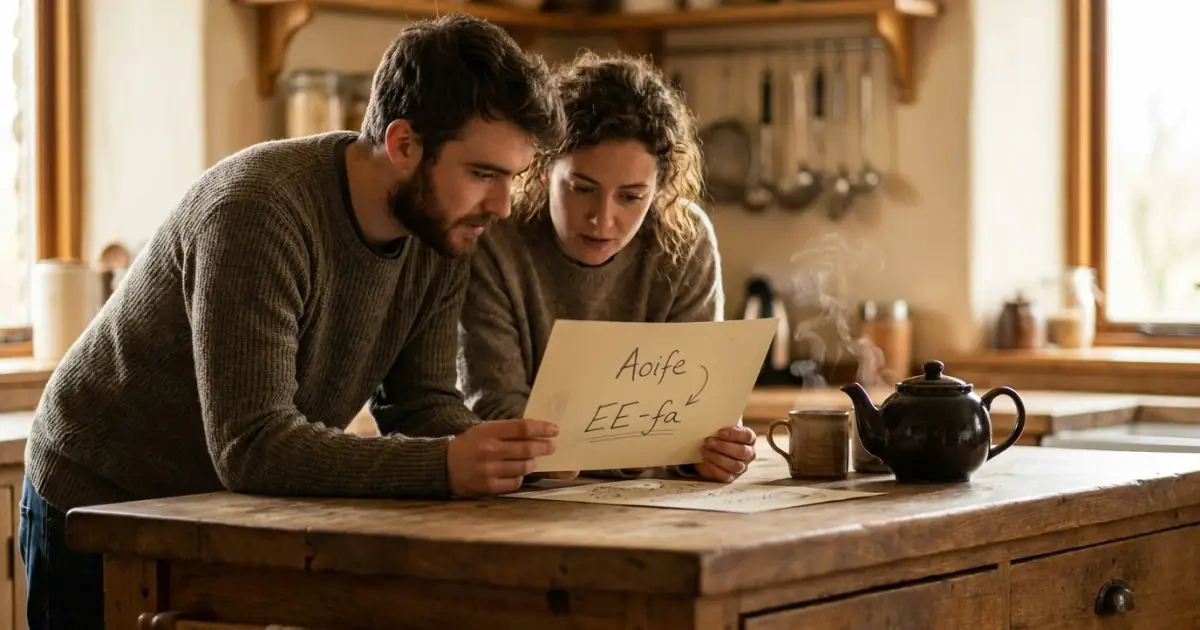
Pronunciation Should Be Learned Before the Spelling Is Defended
A cultural spelling often makes sense inside its own language system.
That does not mean every person outside that language will guess it correctly. It means the spelling has a logic, and parents should understand that logic before choosing it.
Do not choose a form only because it looks beautiful. Learn how the name is meant to sound. Then decide whether your family will use the original pronunciation, a community pronunciation, or a family-adapted pronunciation.
Aoife and Niamh need pronunciation teaching for many English speakers. Caoimhe and Saoirse may have regional pronunciation variation. Leila and Layla may have accepted differences depending on language context. Ari and Kai may shift across accents, especially in multilingual families.
The goal is respectful, intentional pronunciation.
Before committing to the spelling, ask:
- Do we know the intended pronunciation?
- Are there multiple accepted pronunciations?
- Which pronunciation will our family use?
- Can both parents say it confidently?
- Can close relatives learn it respectfully?
- Are we willing to correct people gently?
- Does the spelling help speakers of the original language?
Avoid choosing a traditional spelling and then pronouncing it in a way disconnected from the culture without understanding what you are changing. Families do adapt names across languages, but adaptation should be conscious.
For pronunciation across accents, read How to Choose Names That Work Across Different Accents. When the name needs to work in two languages, How to Choose a Name That Works in Two Languages gives a broader bilingual check. To hear the full name in daily rhythm, use How to Say a Baby Name Out Loud and Hear Its Real Flow.
A spelling becomes easier to defend when parents understand the sound it is protecting.

Measure the Real Friction Before You Assume the Name Is Too Difficult
Some spelling friction is manageable and worth it.
Some becomes constant and tiring.
The hard part is telling the difference before the baby is here. Parents may overestimate friction because relatives react strongly. They may also underestimate it because the name feels obvious inside their own family.
A name does not need to be instantly obvious to everyone to be usable. Many meaningful names require teaching. The question is how often correction is likely and whether the family feels ready for that level of correction.
Think about different kinds of friction:
- First-time correction. Many people may need one clear explanation, then remember it.
- Repeated pronunciation confusion. The name may be misread often in unfamiliar settings.
- Spelling correction on forms. The child may need to spell the name aloud regularly.
- Autocorrect or digital-entry issues. Apps and devices may keep replacing or altering the name.
- Relatives refusing to learn. This is different from honest confusion and may need firmer boundaries.
- Legal or document mismatch. Official records may create friction if spelling varies across systems.
- School roll-call friction. The name may be misread at the start of every year or activity.
- Email or account setup issues. Unfamiliar spelling can affect usernames, search, or data entry.
- Confusion with a more familiar name. Noa may be read as Noah; Sofia may be changed to Sophia by habit.
Use a simple scale:
- Minor friction. The name needs occasional spelling or pronunciation help, but most people learn it quickly.
- Moderate friction. The name often needs clarification outside the family’s culture, but the correction is short and manageable.
- High friction. The name is likely to be misread almost every time outside the culture, so the child may correct it often.
- Structural friction. The spelling creates document, legal, technical, or system problems, especially with diacritics, apostrophes, hyphens, or characters some systems do not handle well.
A name with high friction can still be worth choosing when the spelling is essential and the family is prepared. Optional friction deserves more skepticism, especially when the only benefit is visual style.
Test before finalizing. Say the name to people who do not already know it. Write it down and ask them to read it. Put it into a full name. Imagine it on school forms, airline bookings, medical charts, certificates, email accounts, and introductions.
For a practical testing process, use How to Test a Baby Name Before Finalizing It. If the name is rare where the child will grow up, How to Choose Rare Baby Names That Still Work in Daily Life can help separate meaningful difference from avoidable burden.
The goal is not to remove all friction.
It is to know what kind of friction you are choosing.
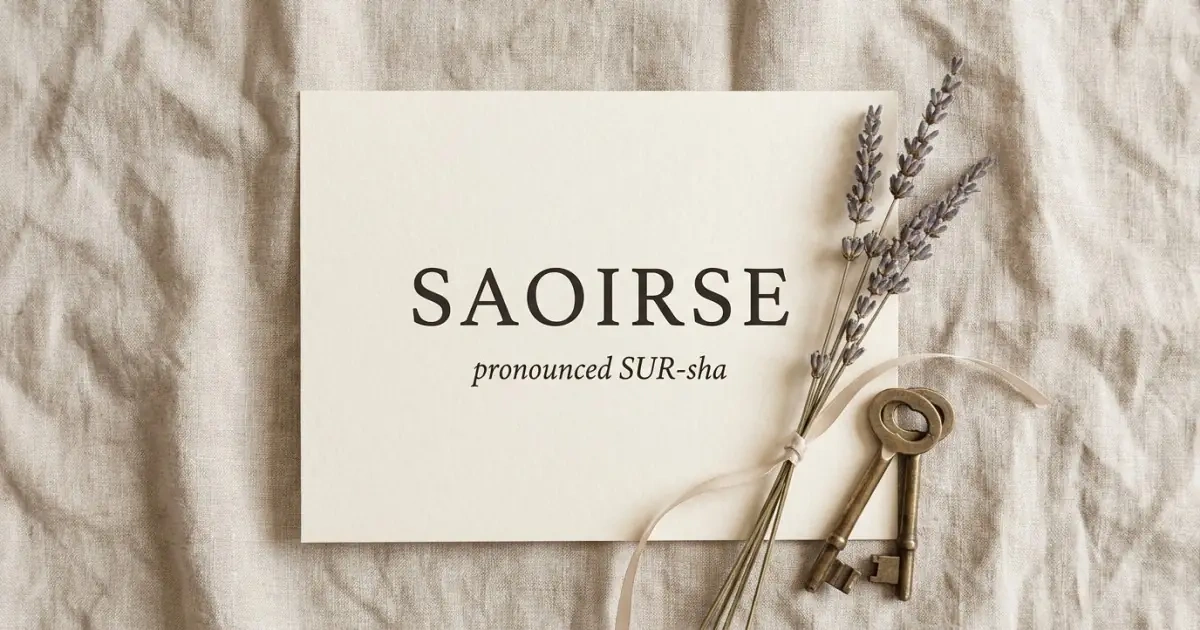
A Pronunciation Plan Reduces the Child’s Correction Burden
When you keep a cultural spelling, defensiveness is not enough.
You need a pronunciation plan.
A pronunciation plan helps parents introduce the name consistently, correct people calmly, and reduce the burden on the child. It also shows close family that the spelling is not a mystery. It is something they can learn.
A good plan may include:
- A simple phonetic cue for teachers and relatives.
- A consistent family pronunciation.
- A short correction phrase.
- A note for school or daycare forms.
- A pronunciation line in birth announcements, when useful.
- Teaching close relatives before the baby arrives.
- Deciding which accent differences are acceptable.
- Deciding which mispronunciations need correction.
Correction phrases should be short and calm:
- Aoife. “It’s Aoife, pronounced EE-fa.”
- Niamh. “Niamh sounds like Neev.”
- Sofia. “We use the Sofia spelling, without the ph.”
- Noa. “It’s Noa, two syllables, not Noah.”
- Saoirse. “Saoirse is pronounced SUR-sha in our family.”
The exact pronunciation cue depends on the name and the family’s chosen pronunciation. The key is consistency.
This plan also helps parents avoid turning every correction into a conflict. Some people will need one reminder. Some will need more. Accent variation may be acceptable. Repeated refusal from close family is a different issue and should be addressed more firmly.
When accent variation is the main concern, How to Choose Names That Work Across Different Accents can help you separate respectful variation from distortion.
A strong spelling choice becomes easier when the family knows how to teach it.

First Name or Middle Name Depends on Visibility, Friction, and Family Meaning
A cultural spelling can work beautifully as a first name.
It can also work beautifully as a middle.
The right placement depends on how central the spelling is to the child’s daily identity and how much correction the first-name position would create.
Use the cultural spelling as a first name when:
- Heritage or family story belongs in daily use. The spelling is not just a private detail; it is central to the child’s identity.
- Parents love the full name, not only the meaning. The sound, look, and story all matter.
- The family is ready to teach pronunciation and spelling. First-name visibility requires active support.
- The expected friction feels manageable. The name may need correction, but not at a level parents already know they will resent.
- The child will have support in carrying it. Close adults should help, not leave the child alone with every explanation.
Use the middle position when:
- Exact spelling matters, but daily correction would be high. The middle can preserve the form without making every introduction a lesson.
- Pronunciation is difficult outside the culture. A more portable first name can reduce daily friction.
- Parents want a simpler everyday first name. The full name can still carry heritage.
- The spelling honors family or ancestry. The middle position can hold a meaningful thread.
- The name has strong roots but feels heavy for daily use. Private depth can be more livable than constant visibility.
- The surname already adds complexity. One challenging element may be enough for the full name.
Strategically placing a cultural spelling in the middle can preserve heritage while reducing daily friction: Sofia Niamh and Maya Siobhan quietly anchor Irish roots, just as Leo Santiago secures a Spanish-language or family connection. Anna Aoife keeps the traditional spelling intact without asking the first name to carry every correction, while Noa Catherine reverses the pattern by grounding a compact, culturally specific first name with an established classic middle.
Middle placement should not mean disappearance.
When you use the middle to preserve heritage, teach the child how to say it. Explain why the spelling was kept. Use it in family stories. Let it be a real part of the name, not a hidden compromise.
For this strategy, read How to Use Middle Names to Carry Heritage and Meaning and How to Choose a Middle Name. If the middle is also meant to soften or strengthen the first name, How to Choose Middle Names That Soften or Strengthen a First Name can help you balance sound and story.
The first name carries daily visibility. The middle can carry a quieter but still powerful connection.

The Full Name Should Support the Spelling Instead of Adding More Friction
When one part of the name requires teaching, let the rest of the full name support it.
That does not mean every other name must be plain. It means the full name should not create unnecessary extra friction. A culturally spelled first name plus a long, difficult middle plus a complex surname may be beautiful, but it may ask a lot from the child.
A simpler middle or cleaner surname rhythm can make a meaningful spelling easier to carry.
Niamh Rose may feel easier than Niamh with a long, unfamiliar middle. Saoirse Maeve can be beautiful and culturally coherent, though it asks for more pronunciation and spelling teaching. Aoife Catherine may balance a pronunciation-specific first with a familiar classic middle. Matteo James may feel more straightforward than Matteo paired with another easily misspelled middle.
Think about total name friction, not only first-name friction.
Ask:
- Is the first name already hard for many people to spell?
- Is the middle also unfamiliar or pronunciation-specific?
- Does the surname add another spelling challenge?
- Does the full name feel long or balanced?
- Will the initials create any issues?
- Does one simpler element help the full name breathe?
A short culturally spelled name may need a fuller middle. A long first name may need a shorter middle. A first name with heavy spelling correction may benefit from a familiar middle or clear surname rhythm.
For full-name rhythm, use How to Build a First-Middle-Surname Combination That Flows. For surname-specific checks, read How to Match a First Name With Your Surname. Before paperwork makes the name official, check letters and monograms with How to Check Initials, Monograms, and Awkward Combinations.
A cultural spelling is easier to preserve when the whole name is built to support it.
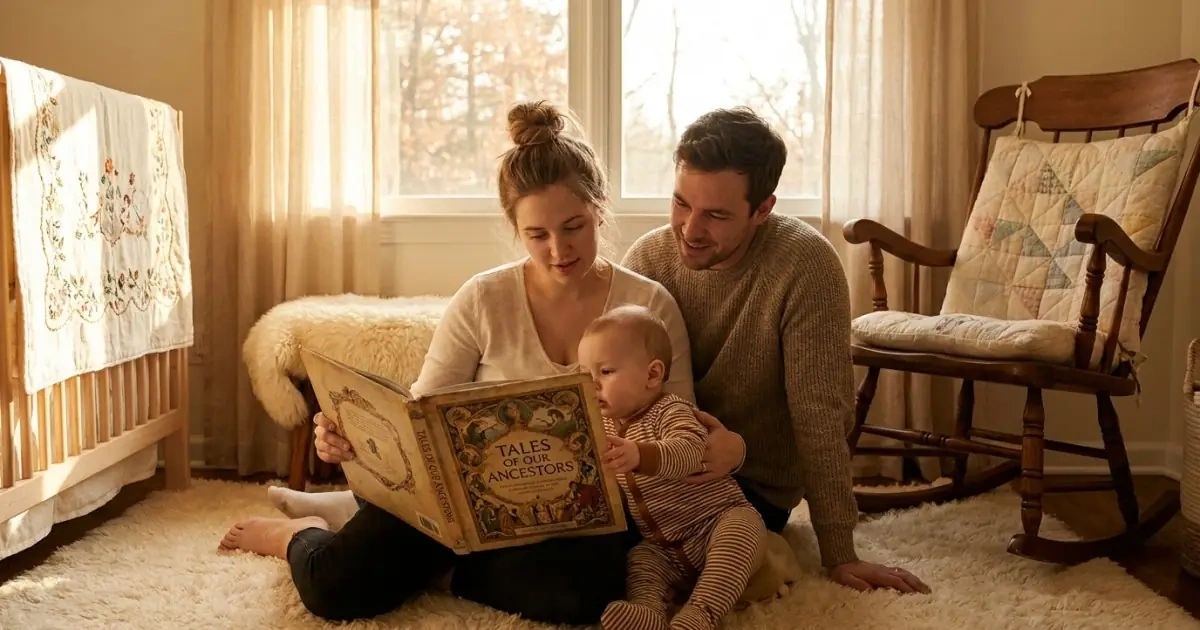
The Story Should Make the Spelling Feel Like a Gift, Not a Burden
Children handle spelling friction better when they know why the spelling matters.
That does not mean they will love correcting people at every age. A child may feel proud at one stage, annoyed at another, and deeply connected later. Mixed feelings are normal.
Parents can give the spelling a story.
The story should be warm, simple, and true:
- Family language. “We kept this spelling because it is the form used in our family language.”
- Family honor. “This spelling connects you to your grandmother’s name.”
- Traditional form. “This is the traditional spelling, and we wanted you to have that connection.”
- Shared teaching. “People may need help with it, and that is okay. We can teach them.”
- Origin. “This spelling is part of where the name comes from.”
A child should not feel responsible for defending a whole culture alone. Parents should model pride and patience, especially while the child is young. That means correcting people respectfully, teaching close relatives, and not acting as if the name is an inconvenience.
Avoid turning the spelling into a test of identity. A child should be allowed to have complicated feelings. They may choose a nickname. They may simplify introductions in some settings. They may grow into the full spelling later.
The family’s job is to make sure the spelling is explained as connection, not difficulty for difficulty’s sake.
If heritage pressure is part of the decision, How to Honor Heritage Without Forcing Tradition can help keep the child’s ownership at the center. If the spelling is tied to a family honor name, How to Name a Baby After a Relative Well can help you keep the story warm rather than heavy.
A cultural spelling should feel like inheritance, not a spelling test the child must keep passing.

Family Members May Need Education, Not a Vote
Relatives may suggest an easier spelling for many reasons.
Some are trying to protect the child from correction. Some find the spelling unfamiliar. Some do not understand what the original form preserves. Some may value convenience more than cultural continuity. Some may genuinely worry that the name will be hard.
You do not need to treat every concern as disrespectful.
You also do not need to turn the spelling into a family vote.
When the spelling matters, explain what it preserves. Keep the explanation short:
- Friction with purpose. “We know it will need some explaining, but the spelling matters to us.”
- Traditional form. “This is the traditional spelling we want to preserve.”
- Prepared support. “We have a simple pronunciation guide ready.”
- Teaching confidence. “We are comfortable teaching people how to say it.”
- Family connection. “This spelling is part of the family story.”
Close relatives repeatedly refusing to learn the name is different from honest confusion. A child’s name deserves effort from the people who love them.
At the same time, practical concerns can be useful. When multiple people from different settings are confused in the same way, you may need a better pronunciation cue, a middle-name strategy, or a simpler full-name pairing. Listening does not mean surrendering the spelling. It means learning where support is needed.
When family pressure becomes the main problem, read How to Use Family Names Without Making the Choice Feel Forced. When parents disagree about the tradeoff, How to Choose a Name With Your Partner can turn the conversation from emotional pressure into clear criteria.
A meaningful spelling can survive questions. It should not have to survive constant dismissal from the people closest to the child.

Digital, Document, and Legal Friction Deserve a Practical Check
Spelling friction is not only about pronunciation.
Modern names also live inside forms, databases, passports, school systems, airline bookings, insurance records, email accounts, and apps. Most spelling issues are manageable. Some are structural.
This matters most when a cultural spelling includes accents, apostrophes, hyphens, non-English letters, or characters that some systems may not handle consistently. Depending on where you live, local birth certificate rules or passport systems may affect what can be recorded legally.
When a name uses standard English alphabet letters, friction may be mostly pronunciation and spelling correction. When it includes diacritics or special characters, parents should check how official systems handle them.
Consider checking:
- Local birth certificate rules.
- Passport requirements.
- School registration systems.
- Medical and insurance forms.
- Airline booking fields.
- Digital account limitations.
- Whether diacritics are preserved or dropped.
- Whether the family will use a legal spelling and a cultural spelling.
Some families choose a legal spelling without diacritics and use the full cultural spelling in family, community, or informal contexts. Others insist on the original spelling wherever possible. The right answer depends on jurisdiction, family priorities, and the level of mismatch the child may face.
This practical check is not meant to discourage cultural spellings.
It is meant to prevent surprise.
Also check initials and monograms, especially when a spelling is unfamiliar and the full name may already need explanation. How to Check Initials, Monograms, and Awkward Combinations can help you catch issues before official paperwork makes the name harder to change.
A spelling can be meaningful and still need a document plan.

Simplifying the Spelling Can Be Thoughtful When It Is Chosen Clearly
Keeping the original spelling is not always the best decision.
Sometimes simplifying is reasonable. The key is to simplify intentionally, not automatically.
A simpler spelling may be better when:
- The original spelling is not central to the family’s connection.
- An established variant exists.
- The child will live in a setting where the original creates extreme friction.
- The family prefers a portable spelling and accepts the tradeoff.
- The spelling difference does not erase the meaning or honor.
- Both parents feel more confident using the simpler form.
- The original spelling creates structural document problems the family does not want to manage.
Sofia and Sophia may both be legitimate depending on family language and context. Leila and Layla may reflect different pronunciation, style, or cultural expectations. Catherine and Katherine are established variants. Mateo and Matteo may point toward Spanish or Italian connection.
Simplifying should not mean automatically choosing the spelling outsiders find easiest. When the traditional spelling is central to the name’s identity, convenience alone may not be a strong enough reason to change it.
A more accessible form can still be the better choice when it is established, meaningful, and closer to how your family will actually use the name.
Before simplifying, ask:
- What would be lost if we simplified?
- What would become easier?
- Is the simpler spelling an established form?
- Does it still connect to our family or language?
- Are we simplifying from confidence or from fear?
For broader adaptation choices, read How to Adapt a Traditional Name for Modern Everyday Use. For practical spelling tradeoffs, use How to Choose Names That Are Easy to Spell Without Feeling Plain. When the choice is also about popularity or local familiarity, Baby Names by Popularity can help you compare how each form may be heard.
Simplifying can be thoughtful.
It should not be automatic surrender.
Mistakes That Turn Cultural Spelling Into Constant Friction
Most problems happen when parents either ignore the friction completely or treat every correction as a disaster.
One mistake is keeping a spelling parents themselves cannot pronounce confidently. When adults choose the spelling, they should be ready to teach it.
Another mistake is choosing a form only because it looks beautiful. Visual appeal matters, but it should not be the whole reason for preserving a cultural form.
A third mistake is refusing to make a pronunciation plan. When the name will be misread often, parents need a simple way to introduce it.
Other mistakes include:
- Ignoring whether the spelling is essential or optional.
- Pairing several high-friction names together.
- Treating every correction as a crisis.
- Letting relatives shame the spelling into a compromise.
- Using a cultural spelling without understanding its origin.
- Changing spelling without knowing what is lost.
- Assuming the child will always feel the same way about the name.
- Ignoring digital, document, or diacritic issues.
- Preserving spelling but never teaching the story.
- Choosing a middle-name placement but treating the middle as invisible.
A cultural spelling becomes easier to carry when parents understand it, support it, and build the rest of the name around it thoughtfully.

A Practical Framework for Keeping a Cultural Spelling
Use this framework when you are deciding whether to preserve a spelling that may require correction.
Step 1: Identify what the spelling preserves
Name the value clearly.
The spelling may preserve:
- Language.
- Heritage.
- Family honor.
- Religious tradition.
- Pronunciation system.
- Regional form.
- Visual identity.
- Distinction from another name.
When you cannot name what the spelling preserves, it may be more optional than essential.
Step 2: Decide whether the spelling is essential, meaningful, or optional
Use the three-level test.
Essential means changing the spelling changes the name’s identity. Meaningful means variants exist, but this spelling still matters. Optional means the spelling is mainly a style preference.
This step tells you how much friction is worth accepting.
Step 3: Learn and choose the pronunciation
Decide the intended family pronunciation.
Also decide whether accent variation is acceptable. Some differences are natural. Others may change the name too much. Parents should know which corrections matter.
Step 4: Estimate daily friction honestly
Check school, relatives, forms, documents, digital accounts, local assumptions, and full-name rhythm.
Do not rely only on your own familiarity. Test the name with people who do not already know it.
Step 5: Choose first or middle placement
Use the first-name position when the spelling is central and livable.
Use the middle when preservation matters but daily correction would be too high. Middle placement can protect the spelling without making every introduction a lesson.
Step 6: Create a pronunciation and spelling support plan
Prepare simple correction phrases, family teaching, school notes, and a consistent pronunciation cue.
A plan reduces the burden on the child later.
Step 7: Teach the child the story
Make sure the spelling feels like connection, not unexplained difficulty.
The child should know why the name looks the way it does, how to say it, and what it connects them to. That story should be honest, warm, and easy to pass on.
When you are choosing between two spellings that both work, How to Decide Between Two Baby Names can help you compare them by meaning, usability, and long-term confidence.

Questions Parents Ask About Keeping Cultural Spelling
Should we simplify a cultural spelling so the name is easier?
Not automatically. Simplify only when the spelling is not central to the name’s meaning, heritage, or family connection, or when an established variant fits your family better.
Is it unfair to give a child a name people may misspell?
Not necessarily. Many meaningful names require teaching. The question is whether the spelling has enough value to justify the correction burden and whether parents are prepared to support the child.
Can a cultural spelling work as a middle name?
Yes. The middle can preserve heritage while reducing daily spelling and pronunciation correction. It should still be taught and explained, not treated as hidden decoration.
What if family members keep spelling it wrong?
Correct them calmly and consistently, especially when the spelling matters. Close family should be expected to learn the child’s name.
Should we use diacritics if legal systems may not support them?
Check local rules first. Some families use a legal spelling without diacritics and a family or cultural spelling with them, but the choice depends on jurisdiction and comfort.

Where to Go Next When a Cultural Spelling Still Feels Worth Keeping
A cultural spelling can be a meaningful inheritance.
It can preserve language, homeland, family continuity, religious tradition, and the visual identity of a name. It can tell a child that their name was not simplified automatically for other people’s convenience.
That matters.
Preserving a spelling should still come with care. Parents should know how the name is pronounced, what the spelling protects, how much friction is likely, and how they will support the child in carrying it. The goal is not to choose the hardest version to prove commitment. It is also not to discard the original form at the first sign of inconvenience.
The strongest choice balances identity and daily life.
Sometimes that means keeping Aoife, Niamh, Siobhan, Sean, Saoirse, or another traditional spelling in the first-name position and teaching it confidently. Sometimes it means using a cultural spelling in the middle. Sometimes it means choosing an established variant like Sofia, Catherine, Leila, or Mateo because that version fits the family’s language and environment better.
The right spelling is the one that preserves what matters and gives the child enough support to carry it.
Let your exact concern shape your next move. Anchor your exploration through Baby Names by Origin, then go deeper with How to Choose Names With Strong Cultural Roots Respectfully when the spelling is bound to larger cultural context.
When cross-language usability is the concern, How to Choose a Name That Works in Two Languages gives the decision more structure; when the spelling may belong in the middle, How to Use Middle Names to Carry Heritage and Meaning keeps the story intact without making the daily first name carry every correction.
Before the decision becomes official, run the full name through How to Test a Baby Name Before Finalizing It.
A cultural spelling does not have to create constant friction. Chosen clearly, taught patiently, and supported by the full name, it can become a source of connection rather than a daily obstacle.