
How to Choose a Middle Name

A middle name can seem like the easier part of naming a baby.
The first name is the one people say every day, so it naturally absorbs the pressure. Parents test it with the surname, imagine it on a child and an adult, worry about popularity, argue over spelling, and ask whether it feels too bold, too soft, too common, or too unusual.
Then the middle name arrives, and it is tempting to treat it as leftover space.
That is where many full names lose their shape.
A middle name still matters. It appears on birth announcements, passports, school forms, diplomas, professional records, wedding invitations, monograms, legal documents, and family trees. It can hold an honor name, a heritage link, a spiritual reference, a name you love but would not use daily, or the name your child may eventually choose to use.
A strong middle name is rarely just “something that sounds nice.”
It has a job.
It may balance rhythm, soften a strong first name, give substance to a lighter one, carry family history, preserve cultural meaning, add individuality, or make the full name feel complete. The mistake is trying to make one middle name solve every emotional, stylistic, and family problem at once.
You do not need the most dramatic middle name.
You need to know what the middle name is supposed to do.
When the overall feeling of the name still feels unclear, Baby Names by Style can help you compare classic, modern, soft, strong, vintage, rare, and timeless directions before you start filling the middle slot. For the wider naming process, Expert Baby Naming Guides for Choosing the Right Name can help you keep the middle name in proportion with first-name style, surname fit, meaning, origin, popularity, initials, and long-term usability.
Once the first name becomes serious, treat the middle as part of the full-name architecture.
Not decoration.
Architecture.

A Middle Name Should Have a Clear Job in the Full Name
A middle name can do several things, but one job should lead.
Some families use it for rhythm. Others use it for meaning, honor, heritage, faith, style contrast, or a bolder name that would feel too demanding in the first position. A middle name can also represent the parent, culture, language, or family branch that the first name does not carry.
The strongest middle names are chosen intentionally. They do not need to be rare, impressive, or complicated. They simply need to support the whole name.
A middle name may serve one of these purposes:
- Sound balance. It helps the first name, middle name, and surname move together more naturally.
- Meaning. It carries a value, image, virtue, place, spiritual idea, or personal symbol.
- Family honor. It preserves a relative’s name without making the child live under the full weight of that namesake every day.
- Heritage. It holds a language, origin, surname, cultural tradition, or family story.
- Style contrast. It gives a simple first name more depth or makes a bold first name feel steadier.
- Backup usability. It gives the child another name they could realistically use later.
- Full-name completion. It makes the legal name feel deliberate rather than unfinished.
A middle name can do more than one of these things. Problems usually appear when parents ask it to do too many.
A family name that also improves rhythm can be an excellent choice. A heritage name that also gives the child a usable second option may be strong. A middle name that honors three relatives, satisfies family pressure, fixes a difficult surname, adds a favorite theme, and rescues a first name that does not flow may be carrying too much.
Start with the job.
The search becomes cleaner after that.

A Middle Name Can Balance the Sound of the Full Name
Sound is one of the most practical reasons to use a middle name carefully.
The middle can create a pause between the first name and surname. It can make a short first name feel fuller. It can help a long first name land cleanly. It can soften a sharp first name, add structure after something gentle, or keep the full legal name from feeling too bare.
Look at how the middle changes the full rhythm:
- Ava Claire Montgomery. The crisp middle gives a short first name a clean pause before the longer surname.
- Theodore James Wells. A short classic middle keeps a formal first name from becoming too heavy.
- Mila Catherine Stone. A soft, compact first name gains substance without losing warmth.
- Leo Alexander Brooks. A short first name gets a fuller legal version with more weight.
Sound balance does not mean the middle name will be heard every day. It means the full name has been built with care for the moments when it is used: birth certificate, formal introduction, ceremony, paperwork, family announcement, or a parent using the whole name with affectionate seriousness.
The middle name also affects how the first name feels beside the surname. A name that sounds too clipped as first + surname may feel complete with the right middle. A name that feels too ornamental may need a simpler bridge.
For deeper sound work, use How to Use Syllable Flow to Choose a Better Name, How to Build a First-Middle-Surname Combination That Flows, and How to Say a Baby Name Out Loud and Hear Its Real Flow.

A Middle Name Can Carry Meaning Without Overloading the First Name
A first name has to live in daily speech.
That is why some meaningful names work better in the middle. A virtue name, nature name, spiritual name, place name, symbolic word, or emotionally intense family choice may feel too pointed as the name used every day. In the middle, the meaning remains present without defining every introduction.
The middle position can quietly hold:
- Peace. Irene or Mira can add calm meaning behind a more practical first name.
- Joy or happiness. Felix, Beatrice, and Allegra can brighten the full name without becoming overly cheerful in daily use.
- Light. Lucy, Elena, and Lucian bring a luminous layer.
- Nature. Rose, Ivy, River, and Lark add imagery and texture.
- Strength. Valerie, Ethan, Andrew, or Solomon may appeal when parents want substance beneath a lighter first name.
Meaning should deepen the full name, not turn it into a slogan.
A simple first name with a meaningful middle can feel personal and restrained. A heavily symbolic first name paired with a heavily symbolic middle may feel designed rather than lived-in. Lily Rose can be sweet and botanical; River Stone can sound strong and natural. In some families those combinations feel beautiful. In others they begin to sound more like concepts than names.
When meaning is central, explore Baby Names by Theme and How to Choose a Baby Name by Meaning. For nature-specific choices, How to Choose Nature and Flower Names Without Feeling Too Themed can help you keep symbolism from overwhelming the child’s full identity.
A Middle Name Can Honor Someone Without Taking Over the First Name
Honor names can be emotionally powerful.
They can also be heavy.
A relative’s name may be beloved but not your style. It may belong so strongly to one person that it feels difficult to give as a first name. It may be old-fashioned, culturally specific, hard to pronounce in your current community, or tied to family expectations that make the decision feel less free.
The middle position can preserve the honor while protecting the child’s first-name identity.
A middle honor name can say, “This person matters to us,” without asking the child to live inside the namesake’s exact identity every day. This is especially useful when family pressure is high or when more than one relative hopes to be recognized.
You do not have to use the exact name to honor someone well.
Options include:
- The exact family name. Direct, clear, and emotionally transparent.
- A related variant. Useful when the original name feels too heavy or mismatched with the first name.
- The same initial. A subtler way to connect the name to a loved one.
- A shared meaning. Strong when the emotional value matters more than the exact sound.
- A family surname. Often effective for honoring lineage or preserving a maternal or ancestral line.
- A place connected to family history. Personal, but best used when it still sounds name-like.
- A cultural form of the name. Helpful in bilingual or heritage naming.
- A nickname associated with the person. Warm, intimate, and sometimes more honest than the formal name.
Margaret might lead to Margaret itself, Maggie, a related form, a shared initial, or a meaning-led alternative. Joseph might inspire Joseph, Josephine, Jo, or another J name with a family connection.
For more support, read How to Name a Baby After a Relative Well, How to Use Family Names Without Making the Choice Feel Forced, and How to Honor Heritage Without Forcing Tradition.
An honor name should feel like love, not emotional debt.

A Middle Name Can Give the Child Another Usable Option
Some people go by their middle names.
The reason varies. The first name may be common in a classroom. A family may use the middle name from birth. The child may prefer its sound. A professional identity may develop around the middle initial or the middle name itself. Sometimes the middle simply fits the person better later.
This does not mean you need to love the middle name more than the first.
It should still be usable.
Before choosing a middle name, ask whether you would be comfortable if your child one day said, “I want to go by my middle name.”
A middle name is not always hidden. It can become the child’s daily name, public name, email-signature name, artist name, or family name. That possibility should not frighten you. It should make you choose with more respect.
Avoid middle names you would hate hearing aloud. A name can be sentimental and still usable. A name can be unusual and still wearable. But a middle name chosen only as a private symbol may create tension if the child later wants to claim it publicly.
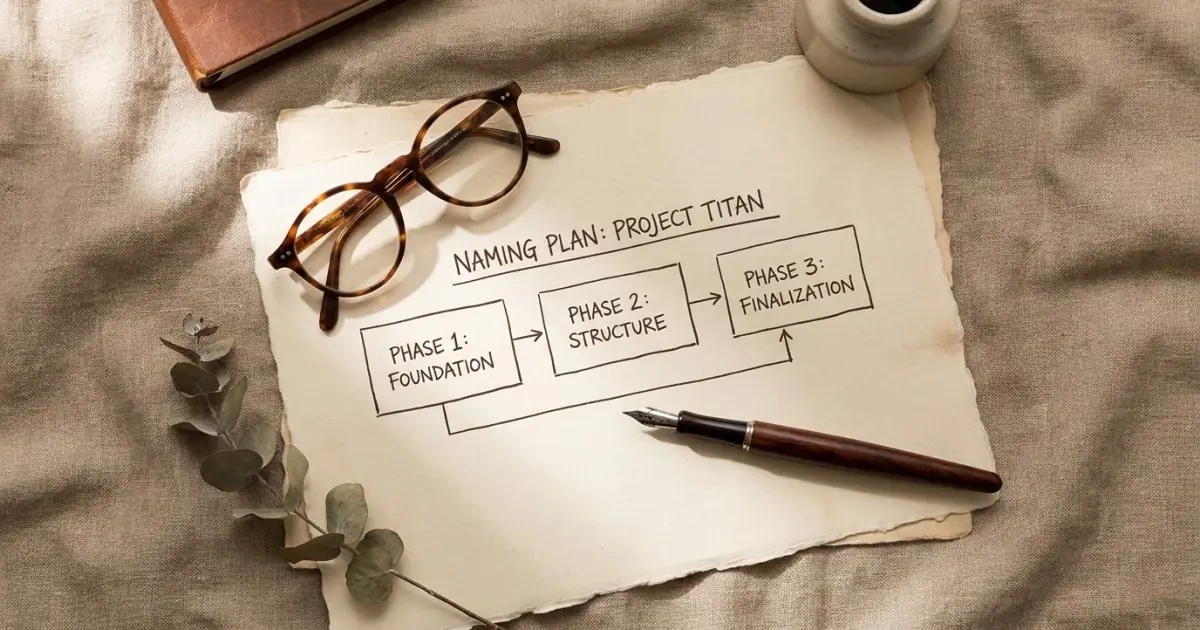
Decide the Middle Name’s Job Before You Start Searching
Middle-name lists become overwhelming when every option is trying to solve a different problem.
A family name competes with a rhythm name. A beautiful meaning competes with a bold favorite. A short classic competes with a heritage name. A second-choice first name sneaks into the middle slot because parents cannot quite let go of it.
That kind of searching feels endless because the names are not doing the same job.
Use this simple job map before comparing options.
| If the first name already does this | The middle name may need to do this |
| Carries family honor | Improve rhythm or lighten the full name |
| Feels short and simple | Add depth, meaning, or elegance |
| Feels long or formal | Create a clean pause |
| Feels bold or unusual | Ground the full name |
| Feels soft or gentle | Add structure or strength |
| Carries one culture or language | Represent another family line |
| Pairs awkwardly with the surname | Bridge sound, but not rescue an unusable first-surname pair |
When the first name already carries meaning, the middle does not need to compete for symbolism. A short, clear middle may be stronger than another meaningful name layered on top.
When the first name is simple, the middle can add dimension. Grace Josephine, Leo Alexander, Nora Vivienne, Jack Everett, and Mia Catherine each use the middle to give a compact first name more presence.
When the surname is difficult, the middle can help formal flow, but it cannot fully fix the daily version. First name + surname still needs to work because that is what most people will say. Use How to Match a First Name With Your Surname before relying on the middle to solve a surname problem.
First-Middle-Surname Flow Depends on Movement, Not Fancy Sound
Middle-name flow is not about making the full name sound grand.
It is about making the legal name easy enough to say, balanced enough to hear, and clear enough to use. The middle name affects rhythm, weight, initials, formality, and the way the first name lands before the surname.
Syllable contrast often helps. A short first name may take a longer middle. A long first name may benefit from a short middle. A medium first name may need a crisp one-syllable middle or a longer middle that creates movement.
Common flow patterns include:
- Short first + longer middle + medium or long surname. A compact beginning can open into a fuller middle before landing on the surname.
- Long first + short middle + short or medium surname. A brief middle can give a formal first name the pause it needs.
- Medium first + longer middle + long surname. This structure can work when the first name stays approachable enough to keep the whole combination from floating away.
- Long first + short middle + short surname. The middle becomes a hinge: small enough to prevent weight, sturdy enough to hold the name together.
Rhythm decides whether these patterns feel natural. Ava Josephine Carter expands from a compact first name into a fuller, more grounded legal name, while Elizabeth Mae Stone uses one short middle syllable to give a formal first name a clean place to land. Nora Vivienne Montgomery carries softness and length without losing approachability; Alexander Jude Wells relies on a brief, sturdy middle to keep a substantial first name from becoming overloaded.
Same-same-same rhythm can work, but it needs especially smooth sound. When every part has the same syllable count, stress pattern, or ending, the full name may feel flat or sing-song.
Flow should make the name easier to carry, not more theatrical.

Watch Repeated Endings, Vowel Run-Together, and Echo Effects
A middle name can accidentally make a full name harder to say.
The individual names may be beautiful. The combination may still create a pattern that feels too delicate, too cute, or too difficult to repeat at normal speed.
Watch for:
- Repeated endings. Lily Rosalie Lee repeats light “lee” sounds until the combination may feel overly sweet.
- Vowel-heavy sequences. Mia Amelia Anderson can become soft enough to blur.
- Vowel-to-vowel transitions. Leo Oliver Owen may need more separation than it appears to need on paper.
- Echoed name shapes. Isabella Arabella repeats a romantic rhythm so strongly that one name begins to swallow the other.
- Too much softness. A gentle first, gentle middle, and gentle surname can make the full name lose definition.
- Too much weight. A formal first, formal middle, and long surname can become ceremonial rather than usable.
Say the full name at normal speed.
A name that only sounds good when you slow down may be too fragile.

Test Official, Everyday, and Initial Versions
The full legal name matters, but it is not the only form your child will use.
A formal combination may sound excellent while the everyday version feels awkward. The daily version may work beautifully while the legal name feels too long. Initials may create an issue that the spoken name hides.
Test all practical forms:
- First name + surname. The everyday public version.
- First name + middle name + surname. The formal legal version.
- First name + middle initial + surname. A common school, professional, and document form.
- Nickname + surname. The version friends, family, and the child may actually use.
- Initials. The compact version that appears on forms.
- Monogram. Often arranged differently from standard initials.
- Email-style format. Useful for spotting awkward combinations before they appear publicly.
This is where How to Check Initials, Monograms, and Awkward Combinations becomes essential. A middle name may be spoken less often, but the middle initial can become highly visible.
Classic Middle Names Give Structure When They Do More Than Fill Space
Classic middle names are popular because they work.
James, Elizabeth, Catherine, Thomas, Anne, and Joseph can ground a rare first name, steady a modern one, or add formality after something soft. Their familiarity gives the full name a stable center.
A classic middle is especially useful when the first name is unusual, word-like, modern, or light.
The risk is automatic naming.
A classic middle should still add something:
- Rhythm. It improves the way the full name moves.
- Family connection. It honors someone or continues a tradition.
- Style balance. It grounds a more adventurous first name.
- Personal affection. You genuinely love the name, not only its convenience.
- Durability. It gives the legal name a steadier long-term feel.
A classic name chosen only because it “sounds like a middle name” can feel like filler. The same name chosen for rhythm, meaning, family, or style can feel exact.
For durable style decisions, read What Makes a Name Feel Timeless? and Underused Classic Baby Names: How to Spot Them.

Soft and Strong Middle Names Can Change the First Name’s Temperature
A middle name can adjust the emotional temperature of the first name.
Soft middle names can warm a strong, sharp, surname-style, or highly tailored first name. Rose, Mae, Elise, June, Louise, and Belle can add gentleness without overwhelming the full name.
They work best when they have a reason. Rose, Grace, Mae, and June are common middle choices because they are brief, warm, and flexible. Popularity does not make them weak. Automatic use does.
A strong middle name can give weight to a short, gentle, or highly familiar first. Maxwell, Victor, Margaret, Beatrice, August, and Everett can make the full name feel more substantial.
The caution is weight. A strong middle after a long or formal first name, followed by a heavy surname, may overload the full name. A soft middle after a very soft first and surname may disappear.
For this exact balancing act, use How to Choose Middle Names That Soften or Strengthen a First Name.

Unusual Middle Names Can Hold Bold Taste Safely
The middle slot is often the best place for a name parents love but hesitate to use every day.
A literary name, ancient name, place-inspired name, rare name, nature name, or highly distinctive choice may feel too demanding as a first name but excellent in the middle. The child gets individuality and meaning without having to introduce the name in every classroom, appointment, or work setting.
That is a valid use of the middle name.
Still, “hidden” is not the same as irrelevant.
An unusual middle should pass the same practical checks:
- Full-name rhythm. Does the bold middle improve the legal name or make it feel overloaded?
- Spelling. Is the spelling meaningful, or simply difficult?
- Initials. Does the middle initial create a problem?
- Documents. Will the name fit and function on official forms?
- Future use. Would you be comfortable if the child chose to use it?
When a bold choice keeps pulling at you, When an Unusual Name Is Worth It can help you decide whether it belongs in the first position, the middle position, or not at all.

Middle Names Are Especially Useful for Family, Heritage, and Culture
Middle names are often the most graceful place to hold heritage.
They allow a family to preserve a language, lineage, surname, faith tradition, or cultural connection without forcing the first name to carry the full weight of that role every day.
This can matter in families with more than one background. A first name may be chosen for daily ease in the school language, while the middle name carries heritage. Another family may choose a heritage first name and use the middle as a familiar option in the wider community. Some parents split the structure between two languages or two sides of the family.
The middle name can hold:
- One parent’s language.
- A family surname.
- A grandparent’s name.
- A saint, prophet, ancestor, or spiritual figure.
- A place connected to family history.
- A cultural form of a familiar name.
- A meaning that reflects family values.
For bilingual and multicultural decisions, read How to Choose Bilingual-Friendly Baby Names, How to Choose a Name That Works in Two Languages, and How to Use Middle Names to Carry Heritage and Meaning.
A middle name should not be used to hide conflict. It can, however, create space for respect when two traditions genuinely matter.

Interfaith and Multicultural Families Can Use the Middle Name as a Second Anchor
In interfaith families, the first name may need to feel comfortable across both traditions. The middle can carry a more specific spiritual, biblical, saintly, virtue-based, ancestral, or sacred connection without making the everyday name feel too one-sided.
This can be especially helpful when both families care deeply about tradition.
A middle name can say, “This part of our family story matters too.”
That sentence only works when the choice feels respectful rather than strategic. Do not use the middle name as a place to bury a disagreement. Use it as a place to honor something you can explain with warmth.
Check pronunciation and documents carefully when different naming systems are involved:
- Accent marks. Will the legal version include them?
- Surname order. Does the full name work in both expected orders?
- Multiple middle names. Are they needed, or are they compensating for indecision?
- Passport spelling. Will travel documents preserve the name as intended?
- Family pronunciation. Can both sides say the full name well enough?
- Social use. Will the middle be used publicly, privately, or mainly legally?
For these decisions, How to Choose Interfaith-Friendly Baby Names and How to Choose Spiritual and Sacred Baby Names can help you weigh meaning without losing daily usability. If pronunciation and accent variation are part of the concern, use How to Choose Names That Work Across Different Accents and How to Choose a Name That Travels Well Internationally.
Popular Middle Names Are Not Lazy When They Earn Their Place
Popularity works differently in the middle spot.
A popular first name may shape classroom identity because it is heard constantly. A popular middle name is usually less visible. That can make familiar middle names useful, especially when they improve flow or carry family meaning.
Rose, Grace, James, Marie, Anne, Mae, and Elizabeth are common middle names because they often work. They are familiar, short or rhythmically flexible, easy to say, and compatible with many first names.
A popular middle name is not lazy if it improves the full name or matters to you.
It becomes filler when it adds nothing.
A middle name should have at least one clear reason:
- Flow. It makes the full name easier to say.
- Family. It honors someone or continues a tradition.
- Meaning. It carries a value, image, or story.
- Style balance. It changes the tone of the full name in a useful way.
- Heritage. It preserves a language, surname, culture, or origin.
- Genuine affection. You love the name beyond its convenience.
For popularity questions, use When a Popular Name Is Still the Right Choice, Popular vs Rare Baby Names: How to Decide, and Baby Names by Popularity to separate familiarity from laziness.
Initials, Monograms, and Forms Can Change the Middle Name Decision
Middle names may be spoken less often, but they appear in initials.
This is one of the most practical reasons to test the middle name before finalizing it. A beautiful full name can create awkward initials, an unwanted monogram, or a form problem that parents only notice later.
Check every common format:
- First Middle Last. Standard initials can accidentally spell a word.
- First Middle Middle Last. Two middle names create more combinations to test.
- First initial + surname. Useful for school, work, and email-style forms.
- First name + middle initial + surname. Common in formal documents.
- Monogram order. Monograms may place the surname initial in the center.
- Email-style format. Some names create unexpected strings when compressed.
- Full legal name. Length, spacing, and spelling matter on forms.
Look beyond the initials. First + middle can sound like a phrase. Middle + surname can create an unintended rhythm. A full name may look elegant in a birth announcement but feel cumbersome on a passport form.
You do not need to chase every possible joke. Obvious issues are worth catching.
Write the name on imaginary versions of a school roster, passport form, email address, graduation program, luggage tag, and professional document. When something jumps out immediately, do not ignore it.

One Middle Name Keeps the Full Name Clean
One middle name is usually simpler.
It is easier for documents, initials, school records, travel forms, and everyday explanation. It works especially well when the first name or surname is already long, culturally specific, or rhythmically complex. It also keeps the full name cleaner when the middle is mainly there for flow.
One middle name may be enough when:
- It already honors the person you most want to honor.
- It gives the full name the rhythm it needs.
- The first name and surname are already long.
- The initials work cleanly.
- The name feels complete without another layer.
Simplicity can be a strength.
Do not add a second middle just because the first one feels quiet. Quiet may be exactly what the full name needs.

Two Middle Names Can Work When Both Have a Real Purpose
Two middle names can be meaningful.
They may help honor both sides of the family, represent two cultures, include two traditions, or preserve a family structure that matters. In blended, multicultural, or heritage-conscious families, two middles can be a thoughtful solution.
The risk is overload.
A full name with two middles should still be sayable, usable, and clear on forms. It should not feel like a list of names parents could not choose between.
Before using two middle names, ask:
- Does each middle name have a clear job?
- Does the full name still flow?
- Are the initials acceptable?
- Will legal forms handle the length?
- Would we still choose both names in ten years?
- Does one name matter more than the other?
- Are we solving a real family need or avoiding a decision?
When both middles have a reason, the structure can be beautiful. When one is included mainly because it is hard to let go, the full name may become heavier than it needs to be.
For a deeper comparison, use One Middle Name vs Two: How to Decide.
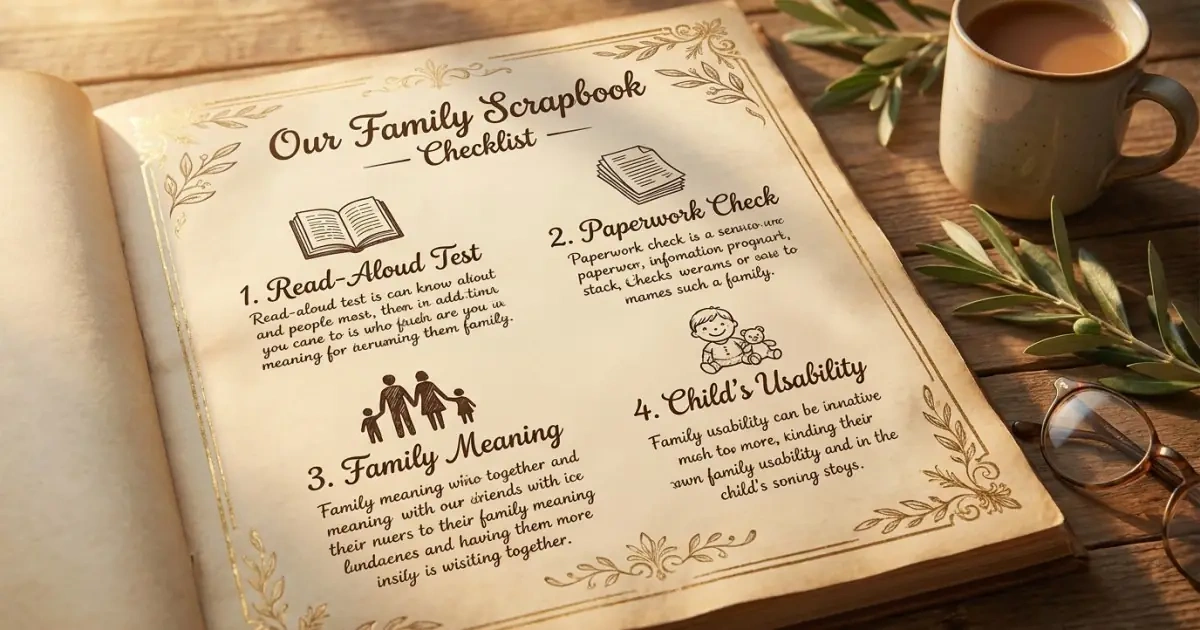
Real-Life Tests Before You Finalize the Middle Name
A middle name may sound lovely in isolation and awkward in the legal name.
It may carry meaning but create initials you dislike. It may honor someone but make the full name too heavy. It may improve the formal version while doing nothing for the everyday name.
Use real-life tests before deciding.
The full-name read-aloud test
Say the full name in ordinary and formal sentences:
- “This is ___.”
- “Please welcome ___.”
- “I’m filling out forms for ___.”
- “___, it’s time to go.”
- “The full legal name is ___.”
Listen for flow rather than drama. The full name does not need to sound like a speech. It needs to be comfortable enough when spoken clearly.
The paperwork test
Write the name on imaginary versions of:
- Birth announcement.
- School form.
- Passport-style form.
- Doctor appointment record.
- Initials.
- Monogram.
- Email-style format.
- Graduation program.
This shows length, spelling, initials, and official usability.
The family explanation test
Ask whether you can explain the middle name without sounding defensive.
If it honors someone, the connection should feel warm. If it carries heritage, the reason should feel worth preserving. If it was chosen for style, the full combination should still feel deliberate. If it was chosen for rhythm, it should actually improve the rhythm.
A middle name does not need a profound story.
It does need a reason.
The child-option test
Imagine your child using the middle name.
Would you be comfortable hearing it daily? Would it work on a teenager? An adult? A professional document? A creative project? A social introduction?
When the answer is absolutely no, reconsider. A middle name may become more visible than you expect.
For a broader final check, use How to Test a Baby Name Before Finalizing It and How to Say a Baby Name Out Loud and Hear Its Real Flow.
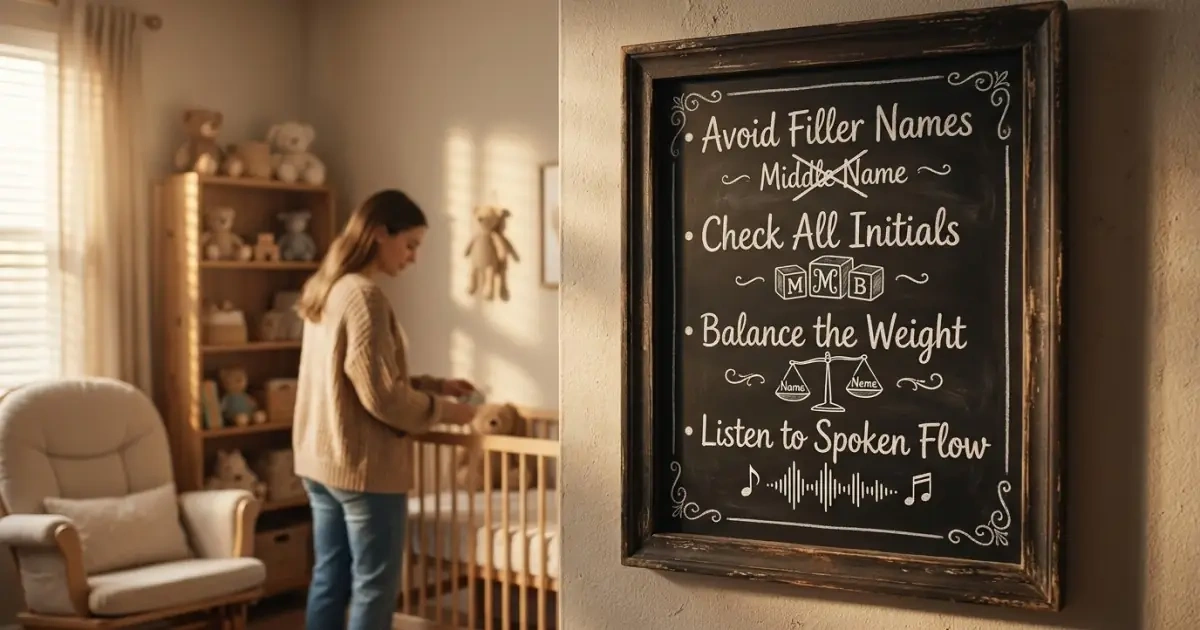
Mistakes That Make Middle Names Feel Like Afterthoughts
Middle-name regret often comes from treating the middle as leftover space.
The middle may be used less often, but it still affects the full name, family story, initials, and possible future identity. These mistakes are common because they are easy to miss during the first-name search.
Choosing a middle only because it sounds like a middle
Common middle names can work beautifully.
The mistake is not choosing Rose, James, Grace, Mae, Anne, or Elizabeth. The mistake is choosing one automatically without knowing what it adds.
A familiar middle can give rhythm, meaning, family connection, or style balance. Without any of those, it starts to feel like filler.
Using the middle as a dumping ground for every unresolved issue
One middle name cannot fix everything.
Parents may try to use it to honor several relatives, include a heritage language, add a favorite meaning, balance the surname, satisfy family pressure, and preserve a bold name they did not use first.
That is too much for one slot.
Choose the most important job. Let the middle name do that job well.
Forgetting that initials are part of the name
The middle name may rarely be spoken, but initials are often seen.
They may appear on forms, school records, email addresses, monograms, luggage tags, professional documents, and official IDs. Always check them before finalizing.
Letting family pressure choose the middle entirely
An honor name should feel like love, not resentment.
When family pressure is the only reason for the middle name, the name may carry emotional weight you do not want. Variants, initials, meanings, surnames, or another honor strategy may give you a more honest solution.
Choosing a middle name you would hate hearing as a first
A middle name should be usable enough.
You may not expect your child to use it daily, but they might. If you strongly dislike the middle as a spoken name, think carefully before putting it on the birth certificate.
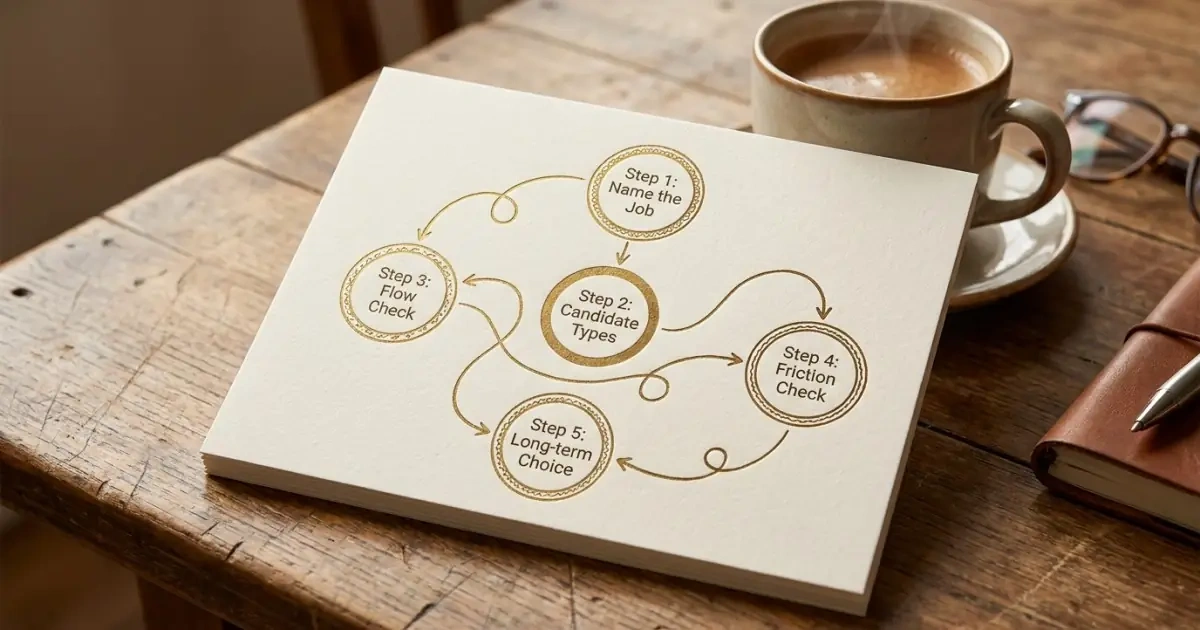
A Practical Framework for Choosing the Right Middle Name
When you are down to a few middle-name options, structure the decision.
This prevents the choice from becoming purely emotional or purely about sound.
Name the job
Choose the main purpose of the middle name.
It might be to:
- Improve rhythm.
- Honor family.
- Carry heritage.
- Add meaning.
- Soften the first name.
- Strengthen the first name.
- Give the child a backup option.
- Balance the surname.
- Include a name you love but would not use daily.
A middle name can do more than one thing, but one job should lead.
Build three candidate types
For each serious first name, test three kinds of middle names:
- A simple rhythm middle. Useful when the full name needs balance more than symbolism.
- A meaningful or family middle. Useful when the name should carry history, heritage, or personal value.
- A style-contrast middle. Useful when the first name needs warmth, weight, elegance, softness, or clarity.
This keeps you from comparing random names that are trying to solve different problems.
Test first-middle-surname flow
Say the full name:
- Slowly.
- At normal speed.
- Rushed.
- With the surname only.
- With the likely nickname.
- With initials.
Write it down too. Some names sound fine but look too long. Others look elegant but feel awkward aloud.
Remove avoidable friction
Remove middle names that create problems without enough reason.
Examples include:
- Awkward initials.
- A full name that feels too long.
- A meaning that clashes with the first name.
- Pronunciation difficulty without meaningful reason.
- Spelling confusion that does not serve heritage or identity.
- Family pressure as the only reason.
- A full combination that feels too themed.
A name can be worth friction when the meaning is strong. Friction without purpose is usually not worth keeping.
Choose the name you would still defend in ten years
The best middle name is not always the flashiest.
It is the one that makes the full name more balanced, meaningful, complete, or usable. You should be able to explain it calmly later.
“We chose it because it gives the full name the right rhythm.”
“We chose it because it honors someone we love.”
“We chose it because it carries our heritage.”
“We chose it because the first name is simple, and this gives the full name depth.”
That kind of explanation is enough.

Common Questions About Choosing a Middle Name
Does a middle name need to have meaning?
No, but it should have a reason. Rhythm, style balance, family connection, heritage, simplicity, backup usability, or genuine love can all be valid reasons.
Should the middle name be shorter than the first name?
Not always. Opposite-length pairings often help flow, but sound matters more than syllable math. A short first name can take a long middle, and a long first name may work beautifully with a short one.
Can the middle name be more unusual than the first name?
Yes. The middle position is often a good place for a bolder or rarer name, as long as the initials, documents, and full-name flow still work.
Is it okay to use a family surname as a middle name?
Yes. Family surnames can make meaningful middle names, especially when you want to honor lineage, preserve heritage, or represent both sides of the family. Test the sound with the first name and surname before finalizing.
What if we cannot choose between two middle names?
Consider two middle names only when both have a clear job. If one name is there mainly because you cannot let go of it, choose the middle that best supports the full name.

Where to Go Next When Building the Full Name
A middle name does not need to impress everyone.
It should make the full name feel more complete, balanced, meaningful, or usable. Sometimes that means a classic middle. Sometimes it means a family name. Sometimes it means a bold choice tucked into the middle spot. Sometimes the strongest choice is the quietest one because the first name and surname already do enough.
Let your exact concern shape your next move. If aesthetic tone dictates the middle slot, return to Baby Names by Style, while Baby Names by Origin and Baby Names by Theme offer a steadier frame for heritage or symbolism.
Finally, refine the overarching architecture: master the pacing with How Middle Names Work When You Are Building a Full Name and How to Build a First-Middle-Surname Combination That Flows, then run one final safety check on flow and initials through How to Match a First Name With Your Surname and How to Check Initials, Monograms, and Awkward Combinations.
The right middle name does not have to be the most noticeable part of the name.
It only needs to make the full name make sense: in sound, in meaning, in family story, and in the life your child will actually carry.