
How to Narrow a Baby Name List Without Losing Good Options

A baby name list gets most confusing after the obviously wrong choices are gone.
One remaining option has family meaning. Another has the exact sound you keep returning to. A third feels fresh without being strange. One is easy to spell. One makes your partner smile. Another looks too good to delete, even though you cannot quite imagine introducing a child by it.
That is the trap. A weak list is easy to clear. A good one creates loyalty.
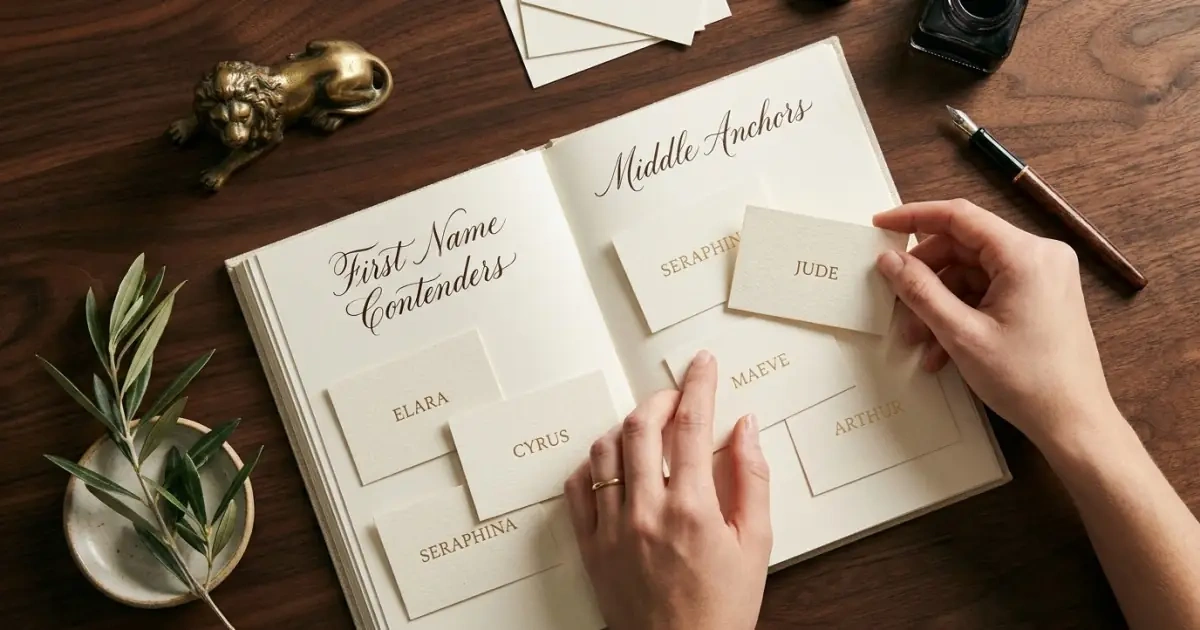
Narrowing is not an aggressive cutting exercise. It is role assignment. Some names stay as serious first-name contenders. Some move to the middle-name list. Some remain because they reveal a style direction. Others can be released with respect, not because they are bad, but because they are not yours.
The work becomes easier once you can see the style families inside the list. Parents drawn to Theodore, Elizabeth, and Charlotte may be circling classic structure. A group built around River, Rowan, and Sage points toward nature, modern softness, and possibly gender-neutral ease. Baby Names by Style can turn a vague attraction into something you can actually compare, while Expert Baby Naming Guides for Choosing the Right Name can keep the process connected to surname flow, meaning, popularity, nicknames, middle names, and final testing.
The goal is not a smaller list that feels disappointing.
It is a clearer one: fewer names, stronger reasons, less panic.
A Narrowed Baby Name List Should Assign Roles, Not Punish Good Names
A long list collects possibility. A narrowed list creates order.
That order matters because parents often keep names for completely different reasons. One sounds good with the surname. Another survived because a grandparent loves it. A third carries the meaning you wanted. A fourth is not truly a contender, but it keeps hinting at a style you like.
Treating all of them as equal makes the decision heavier than it needs to be.
A strong narrowing process should:
- Reduce the number of active first-name contenders. The serious list should hold names you can realistically imagine using every day.
- Protect meaningful names from being lost too soon. A family, heritage, or value name may belong in the middle rather than outside the process.
- Separate first-name choices from middle-name possibilities. These two jobs are different and should not compete as if they are the same.
- Identify names that duplicate the same style job. Several names may be solving the same sound, mood, or image problem.
- Expose surname, nickname, spelling, and popularity problems early. Late-stage surprises feel worse because attachment has already formed.
- Reveal whether both parents can support each finalist. A final name needs more than one parent’s enthusiasm and the other parent’s surrender.
- Leave a final list small enough for serious testing. A list of ten “finalists” is still a holding pattern.
Cutting removes names. Narrowing clarifies roles.
Use these roles instead of a simple keep-or-delete system:
- Serious Contender. The name could realistically be used as the first name, so test full-name flow, nicknames, popularity comfort, and partner agreement.
- Middle-Name Candidate. The name is meaningful but too heavy, formal, private, or difficult as a daily first; try it in first-middle-surname combinations.
- Needs More Time. The name has one unresolved concern, so give it a short, structured testing period instead of cutting it on impulse.
- Style Clue. The name is probably not the final choice, but it reveals a sound, era, image, or mood you keep wanting.
- Admired but Not Ours. The name is lovely, but not right for your child; release it without treating it as a bad name.
This structure keeps good options from being deleted simply because they are not finalists. A family name may fail as a daily first name and become exactly right in the middle. A dramatic favorite may not suit your surname, yet it may reveal that your safer choices lack energy.
A list that still feels loose may need one step back before harder cuts. How to Build a Baby Name Shortlist Without Getting Overwhelmed can help turn a broad collection into a working shortlist before this deeper narrowing begins.
A name does not have to be wrong to leave the first-name race.
It only has to belong somewhere else.

Release Names You Would Not Actually Use in Real Life
The first round should be gentle but honest.
Some names are easy to admire from a distance. They look striking on a page, suit someone else’s child, or fit an aesthetic you enjoy without feeling natural in your own home. Admiration is not enough.
Remove names that survive only as fantasy choices:
- Loved on someone else’s child, not yours. The name may be excellent and still not belong to your family.
- Actively disliked by one parent. A first name should not begin with private resentment.
- Kept mainly to satisfy relatives. Honor matters, but obligation should not control daily use.
- Sharp clash with the surname. A beautiful first name can become awkward in full.
- Better written than spoken. The notes app is not real life.
- Awkward to introduce aloud. Repeated hesitation is a serious signal.
- An obvious nickname you dislike. A likely short form should be addressed before the final round.
- A story you do not want to tell. A name that only works through explanation may ask too much.
This is not a judgment on the name itself. It is a judgment on fit.
A grand classic may look impressive but feel too formal in daily life. A rare choice may be interesting and still exhausting to explain. A family name can deserve honor without deserving the first-name slot. A nature name may look stylish until it sits beside a word surname and starts sounding like a place, phrase, or brand.
The quickest test is ordinary speech. Picture yourself saying, “This is our daughter, ___,” or “Our son is named ___.” A name that makes you hesitate every time is already telling you something.
Names kept out of obligation need a separate filter. How to Use Family Names Without Making the Choice Feel Forced can separate honor from pressure, while How to Match a First Name With Your Surname shows whether the full combination can carry the name naturally.
A name can be lovely and still not be yours.

Keep Style Patterns, Not Every Name in the Same Family
Most lists contain more repetition than parents realize.
The names may not look identical, but several may be doing the same job. Theodore, Henry, James, and Elizabeth all carry classic structure. Theo, Milo, Nora, and Eliza lean softer, shorter, and more revival-friendly. River, Rowan, Sage, Ivy, and Iris sit closer to nature or botanical style.
Once those clusters are visible, the list starts to loosen.
You do not need five names solving the same problem. Keep the strongest representative from each serious direction, then ask whether the others offer anything meaningfully different.
Consider how your list leans. Classic names bring history, structure, and broad recognition; vintage choices feel revived rather than dusty. A softer cluster often shows itself through gentle sounds, warm vowels, and approachable rhythm, while stronger names project weight, clarity, or a more decisive sound. Minimalist names reveal a taste for short, spare shapes and low-friction elegance. Nature-inspired, surname-style, gender-neutral, international, spiritual, and meaning-led names each create different kinds of pressure, so they should not all be compared as if they are solving the same problem.
A list with Clara, Grace, and Sophia suggests clear, familiar, polished names. A group built around Ava, Mia, Leo, and Theo points toward short, high-usability names with warmth. Those patterns matter more than alphabetical sorting ever will.
A style outlier can stay, but it has to earn the space. River may be the modern nature option that keeps feeling alive in a mostly classic set. Felix may have energy your softer favorites lack. Niamh may remain because heritage matters more than perfect style consistency.
When style is the main tension, How to Choose a Baby Name by Style gives the pattern a name. Families comparing old and new can move into Classic vs Modern Baby Names: How to Decide. Lists split between gentleness and force need the sharper tests in How to Choose Soft and Gentle Baby Names That Still Carry Well and How to Choose Strong Baby Names Without Sounding Heavy-Handed. When the strongest names are spare and low-friction, How to Choose Minimalist Baby Names can explain why quieter choices keep winning.
Style is not decoration.
It is the family resemblance between your strongest options.

Treat Manageable Flaws as Tests, Not Automatic Cuts
Every good name has a tradeoff.
This is where parents often overcut. They remove a popular name because it appears on a chart, a heritage name because someone may mispronounce it, a long name because it looks formal, or a meaningful name because it feels direct.
A stronger move is to decide whether the flaw is manageable or central.
Common concerns need different levels of response:
- Popularity. Manageable when you still love the name and accept possible duplication; serious when sharing it in class or family life would make you resent the choice.
- Spelling. Manageable when the spelling carries culture or tradition; serious when letters were changed only for decoration.
- Length. Manageable when rhythm works and nickname options are strong; serious when the full name feels heavy with the surname.
- Meaning. Manageable when meaning supports the name; serious when meaning is the only reason the name remains.
- Nickname. Manageable when you like or can guide the obvious short form; serious when the nickname everyone may use bothers you.
- Surname fit. Manageable when the friction is minor; serious when the combination rhymes, sounds like a phrase, or feels awkward every time.
Popularity, length, spelling, and direct meaning should slow the decision down. They should not automatically end it.
Theodore may feel long beside some surnames, but Theo gives it a practical escape hatch. Sophia may be widely familiar, yet that same familiarity can make it graceful across languages and generations. Niamh may require explanation in some communities, but the spelling may carry identity parents do not want to lose.
Narrowing should not reward only the names with no surface friction. Those are not always the strongest choices.
Popularity concerns belong in Popular vs Rare Baby Names: How to Decide. Spelling questions need the more careful lens of How to Choose Names That Are Easy to Spell Without Feeling Plain and, for heritage choices, How to Keep a Cultural Spelling Without Creating Constant Friction. Nickname friction should be tested before it becomes a late-stage regret through How to Check Nickname Potential Before You Choose.
A manageable flaw should create a test, not a deletion.

Move Meaningful but Heavy Names to the Middle List
A name does not have to leave the process because it fails as a first.
Some names are simply better in the middle. They may carry family history, spiritual meaning, heritage, grief, gratitude, or a value the parents want to preserve. Used daily, the same names can feel too direct, too formal, too emotionally private, or too difficult. In the middle, they become anchors.
This is especially true for:
- Family names. A surname, grandparent name, or ancestral name may carry honor without needing daily use.
- Heritage names. A culturally important form may fit beautifully in the middle when the first slot creates too much friction.
- Virtue names. Direct values such as Grace or Hope may feel gentler after a more personal first name.
- Spiritual names. A sacred or devotional name can hold meaning without dominating every introduction.
- Place names. A meaningful location may work better as a quiet second layer.
- Names after relatives. Honor can remain without making the child share an exact daily identity.
- Emotionally private names. Grief, gratitude, recovery, or longing may need privacy.
- Names with strong symbolic weight. A powerful image may need a calmer first name in front of it.
Grace or Hope may feel too direct as first names for some families and strong in the middle. A family surname can add history without dominating introductions. Niamh may stay in the first position when Irish identity is central, while another family may decide the middle slot protects the meaning with less daily friction. Elizabeth can feel too formal for one household as a first and exactly right as a steady middle.
This move protects good names from being lost.
Try separating the list into first-name contenders, middle-name candidates, and names admired but released. The middle column often brings relief because parents no longer have to choose between keeping meaning and forcing it into the wrong position.
For this stage, How to Choose a Middle Name gives the basic framework. Names carrying family, culture, or emotional significance should be tested through How to Use Middle Names to Carry Heritage and Meaning. When the first name needs more weight or softness, How to Choose Middle Names That Soften or Strengthen a First Name can make the full combination do more than preserve a favorite. A crowded middle-name column needs the sharper rhythm checks in How to Build a First-Middle-Surname Combination That Flows.
Middle names are not consolation prizes.
They are often where meaning can breathe.

Check Whether Meaning Is Strengthening the Name or Hiding a Weak Fit
Meaning is a powerful reason to keep a name.
It is not a reason to ignore every other signal.
A meaning-led favorite should still work when no one is explaining the definition. It should sound natural, fit the surname, feel wearable beyond childhood, and match the style your family actually likes. When a name remains only because the meaning is beautiful, the list starts to weaken.
Hope is clear and warm, but the full name must avoid sounding like a slogan. Grace is familiar and meaningful, though virtue stacking can become heavy. Sophia carries wisdom through a familiar personal-name shape, which makes the meaning feel integrated rather than pasted on. Noor carries light with cultural and linguistic depth, so pronunciation and background deserve respect. Phoenix suggests renewal, yet the image is strong enough that some families may prefer it as a middle or symbolic wild card.
A simple test works well: remove the meaning for a moment.
Ask:
- Would you still like saying the name? Sound should survive without the definition.
- Would it still work with the surname? Meaning cannot repair a weak full-name rhythm.
- Would you still choose it if only your family knew the definition? Private meaning should still feel worth carrying.
- Does the name match your actual style? A beautiful value can pull parents into a name that does not fit.
- Could the meaning work better in the middle? The value may be right even when the first-name placement is not.
A name that fails those questions may still have a role. It can become a middle-name candidate, a theme clue, or a future sibling possibility. A name that passes them gains strength because meaning is no longer carrying it alone.
Meaning-led searches belong in Baby Names by Theme, but the final choice needs more than a theme. Why Name Meaning Changes How a Name Feels explains why definitions can alter emotional response, while How to Choose Names That Mean Hope shows how one theme can take direct, subtle, cultural, or symbolic forms. Values with heavier emotional pressure should be tested through How to Choose Aspirational Baby Names Without Sounding Performative. Parents weighing courage, endurance, or force can compare that pressure in How to Choose Names That Mean Strength.
Meaning should deepen the choice.
It should not carry a name the parents do not enjoy using.

Give Heritage Names a Fairer Narrowing Test
Heritage names deserve a different filter.
A name from your family language, culture, faith, or migration story may involve more explanation than a familiar local choice. That does not make it weaker. It means the narrowing process has to weigh identity alongside convenience.
This is where Baby Names by Origin becomes useful. Origin is not a decorative label. It shapes spelling, pronunciation, family meaning, and the story a child may one day tell about the name.
A cultural spelling is also different from a decorative respelling. Niamh is not difficult in the same way an invented spelling is difficult. It carries Irish identity and its own spelling tradition. Mateo may feel familiar in many settings while preserving Spanish warmth. Noor can cross language, sound, and meaning for some families. Sofia and Sophia may sound nearly identical, but spelling can reflect language preference, family background, or visual style.
Before cutting a heritage name, ask:
- Does this name connect to our family, language, faith, or culture? A rooted name deserves more patience than a name chosen only for novelty.
- Is the spelling part of the meaning? Some spellings carry identity, not decoration.
- How much correction are we willing to normalize? A little teaching may be acceptable when the name protects something real.
- Can the child explain the name simply? A good name story should not require a defensive speech.
- Would simplifying the name feel like a loss? Easier is not always better.
- Could the name work better in the middle? Placement can preserve meaning while reducing daily friction.
Daily friction still matters. A name can be meaningful and still too difficult for the family’s actual life. Friction alone, though, is not a reason to cut it.
For deeper guidance, use How to Choose Names With Strong Cultural Roots Respectfully. Families balancing more than one language should read How to Choose a Name That Works in Two Languages or Best Baby Name Strategies for Multicultural Families. Accent differences deserve their own trial through How to Choose Names That Work Across Different Accents.
A meaningful name should not be cut only because it asks people to learn.

Use Popularity to Rank Comfort, Not Automatically Remove Names
Popularity is information, not a verdict.
Many parents use rankings too harshly. They see a name on a chart and remove it before asking whether they still love it. Others move rare names higher because uncommonness feels like proof of originality. Both reactions can distort the list.
A familiar name may give ease and recognition. A rare name may offer heritage, freshness, or distinction. A rising name may feel exciting now but tied to a narrow style cycle later. Local context can matter more than national ranking, especially when your school circle, family network, or neighborhood already includes several children with the same name.
Ava may be familiar and easy, but parents who want more distinction may pair it with a stronger middle or choose a less common name from the same sound family. Sophia can remain strong when parents love its sound and international usability. Theodore may feel popular in some circles while still offering Theo, Teddy, or Ted. Rowan may feel distinctive in one community and familiar in another. River can be stylish but more trend-sensitive than parents realize.
Use popularity to rank names by comfort:
- Comfortable even if shared. The name still feels right even with another child nearby.
- Acceptable if not common in your circle. Local use matters more than a national chart.
- Too visible for your taste. The name may be good, but the level of exposure bothers you.
- Rare but easy enough to use. Distinctiveness feels worth it because the name remains manageable.
- Rare and too correction-heavy. The name asks for more teaching than you want in daily life.
- Rising too fast for your comfort. The style may be more tied to the current moment than you want.
That kind of ranking is more useful than a keep-or-cut reflex.
Use Baby Names by Popularity to study the landscape. Popular vs Rare Baby Names: How to Decide gives the emotional side of recognition versus rarity more structure. How to Read Baby Name Popularity Data keeps numbers in context, while How Popularity Affects Classroom Identity and Nickname Duplication shows why chart position is only one part of visibility. Trend-sensitive choices belong beside How to Avoid Choosing a Name That Dates Too Fast. A familiar list that risks feeling generic can be refined through How to Choose Familiar Baby Names With Personality and How to Choose Mainstream Baby Names Without Feeling Generic.
A name should not be cut just because other people noticed it too.
Cut Names That Fail the Surname Test Twice
A name can sound wonderful alone and fall apart in full.
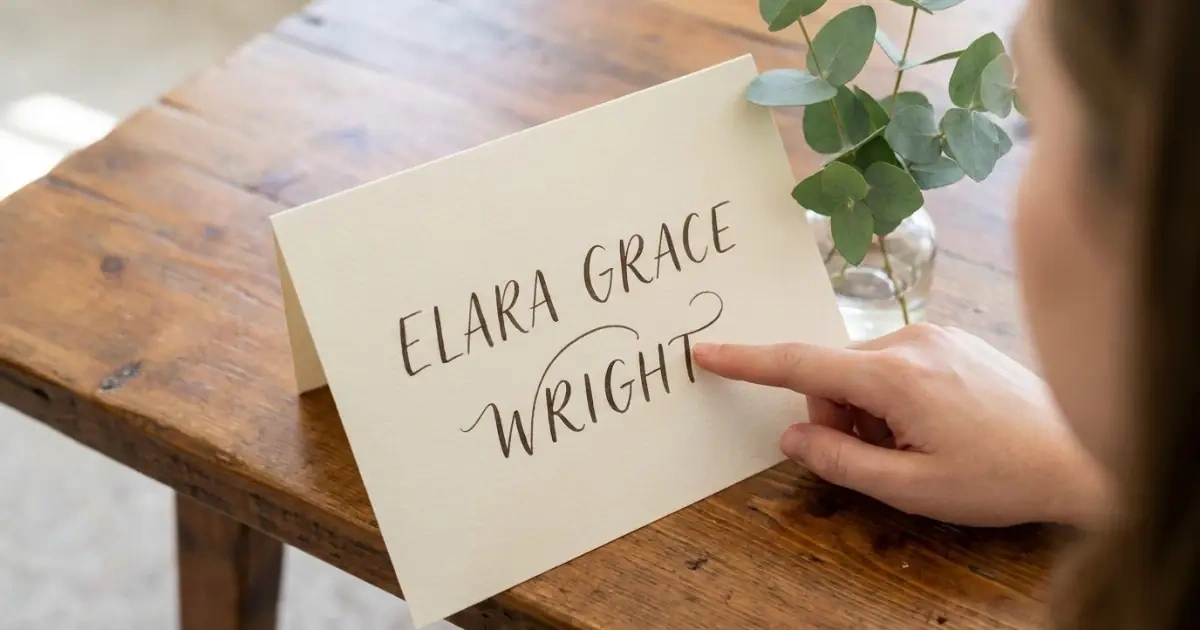
That is why surname fit should become a serious narrowing filter before the final round. Test the first name with the surname, then add the middle. If the combination feels awkward again and again, listen.
Watch for:
- Rhyming. Repeated sound can make the name feel sing-song.
- Repeated endings. Similar endings may blur the first and last name together.
- Hard consonant pileups. A name can look clean and still feel difficult to say.
- Phrase-like full names. Word names and word surnames need special restraint.
- Initials or monogram problems. Letters often appear in school, documents, and digital formats.
- Overly long full names. Length can make a strong name feel heavy.
- Style mismatch between first name and surname. A sleek first name may not sit naturally beside every surname.
- Nickname + surname awkwardness. The short form deserves its own test.
Theo may work better than Theodore with a long surname. Elizabeth may balance a short surname. River can become too literal beside a nature-word surname. Grace may become phrase-like with certain word surnames. Leo may run into vowel-heavy surnames depending on accent and rhythm.
Do not overreact to tiny imperfections. Most full names have some texture. The concern is persistent friction: the combination keeps catching in your mouth, looks odd in writing, or sounds like a phrase rather than a person.
Let the full name work under pressure:
- School introduction. “This is Theo James Carter.”
- Class list. “Elizabeth Nora Hayes will be joining the class.”
- Appointment setting. “River Grace Miller, your appointment is ready.”
- Self-introduction. “My name is Sofia Bennett.”
- Public welcome. “Please welcome Mateo James Lee.”
A name that fails twice does not always need to disappear. It may move to the middle, change form, or point toward a related option. Theodore may become Theo. Elizabeth may become Eliza. Sophia may become Sofia if the visual balance improves. River may shift from first to middle if the surname makes it too descriptive.
Full-name testing belongs in How to Match a First Name With Your Surname. When the middle changes the rhythm, use How to Build a First-Middle-Surname Combination That Flows. Initials should be checked through How to Check Initials, Monograms, and Awkward Combinations, and spoken rhythm deserves the practical ear test in How to Say a Baby Name Out Loud and Hear Its Real Flow.
Daily use is where a full name proves itself.

Nickname Problems Should Surface Before the Final Round
Nicknames are not side details.
They can rescue a formal name, soften a strong one, or reveal that the short form is what you actually love. They can also ruin a favorite if the obvious nickname bothers you.
Parents cannot control every short form, but many of them are visible early. Theodore may become Theo, Teddy, Ted, or stay full. Elizabeth can become Eliza, Liz, Lizzie, Beth, Libby, or Ellie. Charlotte may become Charlie or Lottie. Sophia may become Soph. Rowan may stay mostly in full. James may become Jamie or Jim depending on family style.
A nickname concern should affect the list before the final round.
Ask:
- Do we like the most obvious short form? The likely nickname deserves a vote.
- Would we be annoyed if relatives used it? Family habits can make a nickname stick quickly.
- Does the nickname change the style too much? A formal name may become warmer, sharper, or more casual than expected.
- Is the nickname stronger than the full name? That may reveal which name you actually want.
- Would an older sibling create a version that might stick? Children often create the names families use most.
- Does the nickname work with the surname? The short form may have different rhythm from the full name.
A disliked nickname is a valid reason to cut or rethink a name. Parents who love Theodore but only want Theo should consider whether Theo belongs on the birth certificate. Elizabeth feels expansive, but that range can become a problem when several short forms bother you. Charlotte is harder to keep cleanly formal when Charlie is common in your circle.
For a more complete check, use How to Check Nickname Potential Before You Choose. Parents thinking about adulthood range should also test the full and short forms through How to Choose a Name That Sounds Professional Later in Life.
The nickname is often where the name becomes daily life.

Partner Agreement Should Shape the List Before the Final Obstacle
A name one parent loves and the other tolerates is not a strong finalist.
Both parents do not need identical enthusiasm in the middle of the process. Early lists can hold one-parent favorites, experiments, and choices that need discussion. The final few need genuine agreement.
Create separate categories before the final round:
- Shared favorites. Names both parents can imagine using.
- One-parent favorites. Names that still need persuasion, compromise, or rethinking.
- Needs discussion. Names with unresolved concerns but no hard veto.
- Vetoed names. Names with a strong negative association or real dislike.
- Middle-name possibilities. Names that preserve meaning without requiring daily use.
Then ask each parent to explain why a name stays. The reason matters. One parent may be protecting family meaning. The other may be reacting to sound, popularity, spelling, cultural fit, or a person they once knew. Some objections soften with time. Strong negative associations usually deserve respect immediately.
Different tastes can reveal shared values.
One parent may suggest Henry while the other prefers Theo. Underneath, both may like familiar names with warmth. One may choose River and the other Nora, but both may want something gentle and not overly formal. A family name rejected as a first may become a middle that satisfies tradition without forcing daily use.
Do not keep a name on the serious list when one parent has to be persuaded every time it comes up. Persuasion can win a conversation and weaken the final decision.
Use How to Choose a Name With Your Partner when the process needs structure. Taste clashes belong in How to Choose a Name When You and Your Partner Have Different Tastes. When outside pressure is shaping the list, How to Choose a Name When Grandparents Have Strong Opinions can help protect the couple’s decision.
The final name should not begin with one parent feeling defeated.
One Wild Card Can Reveal What the Safe List Is Missing
A narrowing process should leave room for instinct.
Some names survive because they keep feeling alive. They may not match the main style pattern. They may not score highest on paper. They may even make you nervous. Still, after every round of cutting, the name returns.
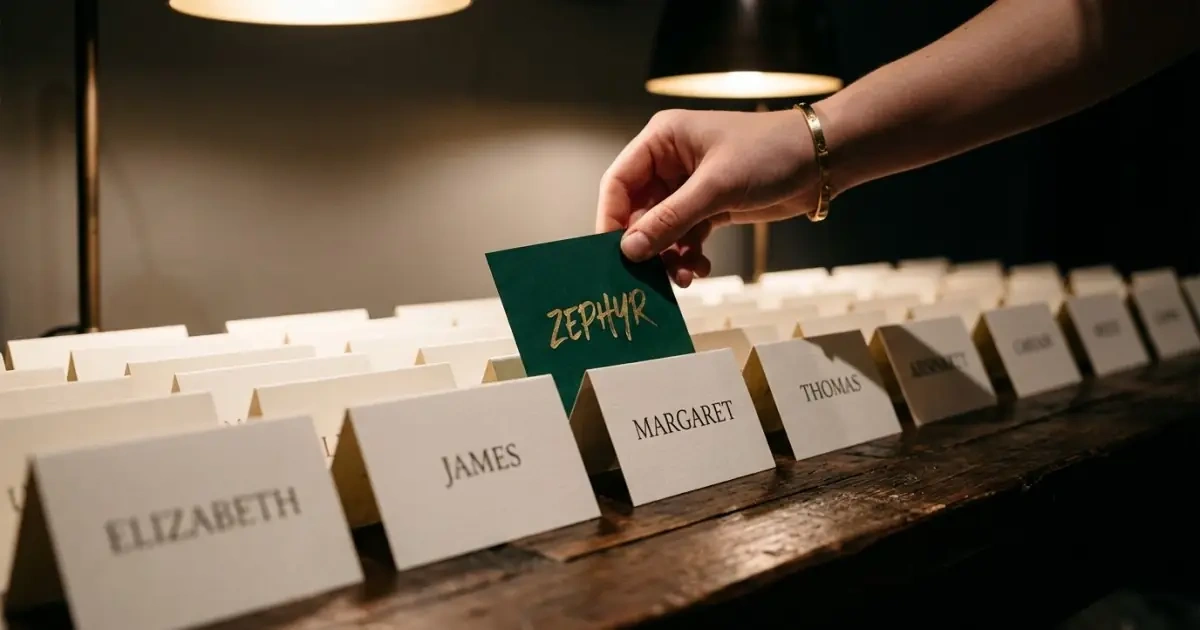
Keep one wild card.
Not five. One.
A family with mostly classic names may keep River as the modern nature option. A minimalist list may keep Esperanza as a meaningful middle possibility. Parents drawn to familiar names may keep Niamh because heritage matters. A soft list may keep Felix because its energy feels right.
A useful wild card has a clear reason:
- It keeps returning after cuts. The name has emotional staying power.
- It exposes a missing quality. The rest of the list may be too safe, too formal, or too similar.
- It has one concern, not ten. A wild card should be testable, not chaotic.
- It still works under real pressure. Surname, spelling, nickname, and adulthood checks still apply.
- Both parents are willing to test it. A wild card should not be one parent’s private campaign.
The wild card should not dominate the final list. It should be tested harder, not protected from testing. Say it with the surname. Check the spelling. Imagine it beside sibling names. Use it in a formal introduction. Let it compete with the serious contenders under real conditions.
Sometimes it loses quickly. Sometimes it reveals that your taste has shifted.
That second outcome is worth leaving room for.
A name that keeps returning after practical tests belongs with How to Know When a Name Feels Right, not because instinct should replace testing, but because steadiness matters. Unusual names deserve the sharper filter in When an Unusual Name Is Worth It. Nature-leaning wild cards should be tested through How to Choose Nature and Flower Names Without Feeling Too Themed, especially when the surname already carries a word or place feeling.
A wild card is not a shortcut around judgment.
It is a name asking for a fair trial.

Scoring Can Reveal Friction, but It Should Not Choose the Name
Scoring can help, but it should not choose the name for you.
The purpose is to reveal tension. One name may score high in sound and surname fit but low in meaning. Another may have a strong story and weak nickname comfort. A lower-scoring choice can still stay when the weak area is manageable and the emotional pull remains real.
Rate each name from 1 to 5 in useful categories:
- Sound you enjoy saying. The name should hold up in repeated speech.
- Surname fit. The full name should feel natural, not forced.
- Meaning or story. A name may gain strength from what it carries.
- Style alignment. The name should fit your real taste.
- Spelling and pronunciation ease. Daily usability matters.
- Nickname comfort. Obvious short forms should not create regret.
- Popularity comfort. Visibility should match your tolerance.
- Partner agreement. A serious finalist needs genuine support.
- Adulthood usability. The name should grow with the child.
- Emotional staying power. A name should remain compelling after repeated testing.
Then summarize the result in plain language rather than letting the numbers pretend to be the decision. Theodore might offer classic structure and nickname flexibility while still needing a surname test. Theo may feel warm and simple, though less formal. Elizabeth can hold family history and classic range but feel too formal for daily use. River may bring a modern nature image while creating surname risk. Hope may have the right meaning and still belong in the middle.
The final action matters more than the score:
- Keep. The name remains a serious first-name contender.
- Move. The name may be stronger in the middle.
- Test. One concern needs real-life use before a decision.
- Cut. The name no longer belongs in the active choice.
This approach keeps the process human. It gives structure without pretending a score can measure love, family history, or the strange steadiness of a name that simply keeps feeling right.
For a deeper comparison system, read How to Compare Baby Names Objectively. When the top two remain close, How to Decide Between Two Baby Names gives the final comparison a cleaner shape.
A score can point to the problem.
It should not override your judgment.

Cutting Names for the Wrong Reason Can Create Regret
Over-narrowing can create its own kind of regret.
A name may deserve more time when the concern is more about fear than fit. Relatives may dislike it. The spelling may be unfamiliar. The popularity may look worse on paper than it feels in real life. The surname may have a small imperfection that does not actually bother you after repeated use.
A name may deserve another round when:
- The only problem is unfamiliarity. Newness can soften after a few days of real use.
- Relatives dislike it, but both parents keep returning to it. Family opinion matters less than parent alignment.
- The spelling carries real heritage. Cultural identity deserves more than a convenience test.
- Popularity bothers you in theory but not in daily life. Numbers can feel louder than actual use.
- The surname fit is slightly imperfect, not broken. Minor texture is not the same as failure.
- The name feels emotionally steady after repeated testing. Staying power matters.
- Hesitation comes from fear of judgment, not real dislike. Social anxiety can disguise itself as taste.
- The name keeps returning after you try to cut it. A recurring favorite deserves a more honest trial.
A name that asks for explanation is not automatically wrong. A choice that feels new to your ear may settle after a week. A style outlier may reveal the original list was too narrow.
Discomfort needs diagnosis. Is the friction practical, emotional, social, cultural, temporary, or persistent?
For regret prevention, use How to Avoid Baby Name Regret. When the search has gone on too long and every cut feels risky, When to Stop Searching for the Perfect Baby Name can help you stop treating uncertainty as failure. A name that still feels quietly right after testing belongs beside How to Know When a Name Feels Right.
Do not cut a strong name only because it makes the decision feel real.

Keeping Names for the Wrong Reason Makes the Final List Heavier
Some names stay too long.
They remain because they once felt exciting, because relatives approve, because the meaning is hard to let go of, or because rarity makes them look more special than they feel. A name can take up space on the list long after it has stopped being a real possibility.
A name may need to leave the serious list when:
- You only like the meaning. A beautiful definition cannot replace a name you enjoy using.
- One parent is trying to persuade the other too hard. Pressure is not agreement.
- The name feels good only online or on paper. Real speech matters more.
- The nickname problem keeps returning. A likely short form deserves attention.
- The surname makes it awkward every time. Repeated friction should not be ignored.
- The spelling change exists only for novelty. Distinction without meaning can become burden.
- Family pressure is doing most of the work. Honor should not erase parent choice.
- Rarity is the only reason it feels special. Uncommon is not the same as right.
- The name feels less convincing after repeated use. A serious contender should gain strength with testing.
- You cannot imagine introducing your child by it. That is the heart of first-name fit.
This is where the list needs honesty more than patience.
A name that weakens with use is giving you information. A nickname that keeps bothering you will probably not disappear. A surname clash that sounds awkward every time should not be ignored. A family name that both parents privately dislike should be honored another way.
Real-life testing exposes the difference between a name that needs time and a name that needs to leave. How to Test a Baby Name Before Finalizing It gives that process structure, while How to Say a Baby Name Out Loud and Hear Its Real Flow helps you hear what the notes app cannot show.
A name should not stay because removing it feels impolite.
A Practical Framework for Moving From Many Names to a Final Few
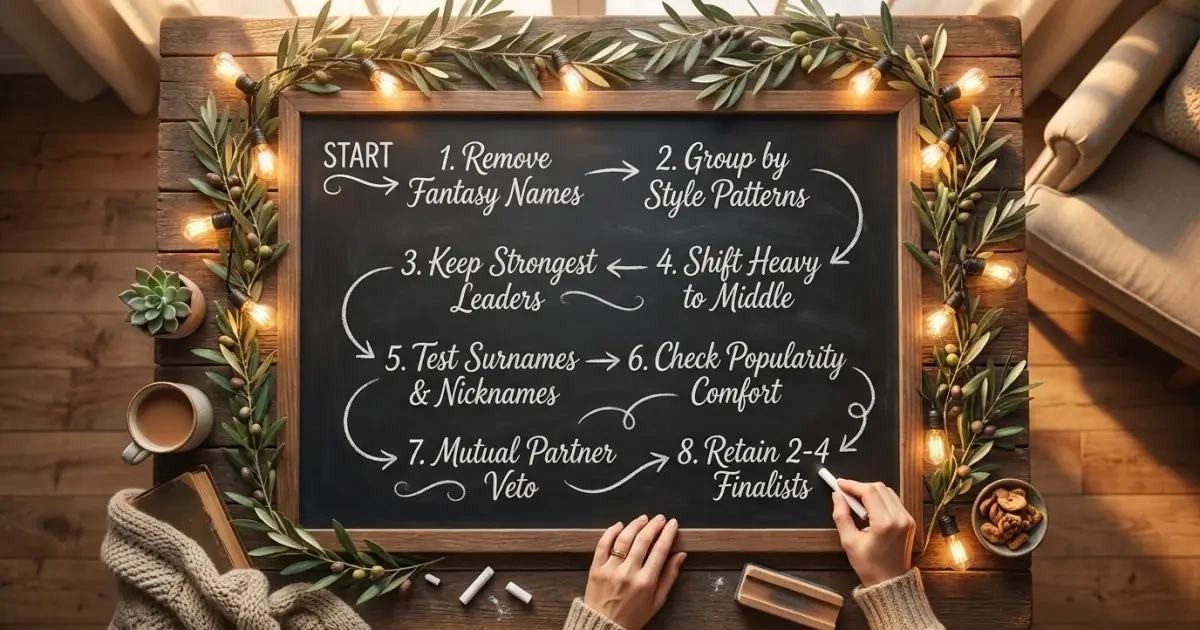
Use this framework when your list still feels crowded after the first round of sorting.
Step 1: Remove names you would not use in real life
Start with admired-but-not-ours names.
These are often the easiest to release once you stop asking whether they are good and start asking whether they are yours.
Step 2: Group the remaining names by style
Mark each name as classic, modern, soft, strong, nature-inspired, gender-neutral, heritage, meaning-led, minimalist, or international.
Patterns will show which names are actually competing.
Step 3: Keep the strongest name from each serious direction
Avoid keeping multiple names that do the same job unless they differ in a useful way.
Theodore and Theo, for example, may both stay temporarily when you are still deciding between formal structure and daily warmth.
Step 4: Move meaningful but heavy names to the middle list
Family names, virtue names, spiritual choices, heritage names, and emotionally private names do not need to vanish.
Many become stronger once they stop carrying the first-name role.
Step 5: Test surname, initials, and nicknames
Persistent full-name problems should affect the list before the final round.
Do not save the hardest tests for the moment when you are already emotionally attached.
Step 6: Check popularity comfort
Do not cut based on ranking alone.
Decide whether the visibility level matches your actual life: family circle, school context, local community, and personal comfort.
Step 7: Let each parent veto with a reason
A serious finalist needs genuine agreement.
A veto should not be used carelessly, but a strong negative association deserves respect.
Step 8: Keep 2 to 4 names for real-life testing
The final few should be small enough to say, write, imagine, and live with for several days.
A final list of ten names is still a holding pattern.

Common Questions About Narrowing a Baby Name List
How many names should be left after narrowing?
A serious shortlist usually works best with 5 to 7 names. A final list should usually have 2 to 4 names so each one can be tested properly.
Should we cut names that are too popular?
Not automatically. Popularity is a comfort question, not a verdict. A popular name can still be right when the sound, meaning, surname fit, and daily ease are strong.
What if I regret cutting a name?
Move uncertain names into a “needs more time” column before removing them completely. A name that keeps returning may deserve another round of testing.
Should family names stay on the list even when we do not love them?
They should not stay as serious first-name contenders unless both parents can genuinely support them. A family name may work better as a middle.
What if my partner and I keep cutting each other’s favorites?
Pause the name-by-name debate and compare the reasons underneath: sound, style, meaning, family, popularity, culture, or surname fit. Shared priorities often appear before shared favorites do.

A Narrower Baby Name List Should Feel Calmer, Not Smaller
A narrowed list should not feel like a loss.
It should feel like the moment the decision finally becomes visible. The strongest narrowing process does not throw away good names carelessly. It gives each one a role: finalist, middle-name candidate, style clue, wild card, or name to release.
That is what protects the best options.
A final list with fewer names and better reasons is easier to trust. You know why each name stayed. You know what each one must still prove. Sound, meaning, style, origin, popularity, surname fit, nicknames, and partner agreement have already faced enough real pressure to stop feeling theoretical.
Let your exact concern dictate the next step. Once the list has narrowed to two real contenders, How to Decide Between Two Baby Names gives the comparison a cleaner structure. An uneven favorite may need the balance work in How to Balance Meaning, Sound, and Style in a Baby Name, or it may need a nearby alternative from Baby Names by Style.
Before anything becomes official, run the remaining choice through How to Test a Baby Name Before Finalizing It. A name that keeps working in ordinary speech, family use, paperwork, and future adulthood has earned a different kind of confidence.
The right narrowing process does not make the choice colder. It gives your instincts better evidence.