
How to Test a Baby Name Before Finalizing It

A baby name can look finished long before it has earned that confidence.
It sits beautifully in a shortlist. It sounds right in a calm voice. You imagine it on a newborn, write it in your notes app, pair it with a middle name, and feel the small rush that comes when a name finally seems to click.
Then ordinary life gets involved.
The surname changes the rhythm. A nickname appears that you had not considered. Someone misreads the spelling. The name that sounded luminous in your head feels oddly stiff when called across a room. Another name, quieter at first, begins to feel more livable after a few days of real use.
That does not mean your instincts were wrong. It means the name has moved from fantasy conditions into the life it will actually have to carry.
Testing a baby name is not about stripping away the feeling. It is about making the feeling trustworthy. A name should be able to survive daily speech, paperwork, family accents, likely nicknames, public use, and adulthood without needing constant protection.
When you are still exploring broad directions, baby names by style can help you notice whether your taste leans classic, modern, soft, strong, vintage, minimalist, elegant, familiar, or rare. Once you have a serious contender, though, inspiration matters less than pressure-testing. This guide shows you how to test a baby name before finalizing it, without turning the process into panic.
A Baby Name That Works on Paper Still Has to Survive Daily Use
Most parents fall in love with names in conditions that are too gentle.
They browse at night. They compare lists. They picture a baby in their arms. They imagine the name spoken carefully, by someone who already knows exactly how it should sound.
Real life is rougher and more useful.
A name will be called from another room, written on school forms, read aloud by strangers, shortened by relatives, typed into email fields, and paired with the surname over and over. It will be used when you are tired, distracted, proud, hurried, affectionate, irritated, and half-awake.
That is where names reveal their construction.
A name may look elegant until the surname makes it heavy. It may feel distinctive until every new person hesitates over the pronunciation. A sweet name can turn thin when imagined on an adult. A dramatic one may depend too much on first impact. Even a name with real beauty can become difficult if it needs explaining every time it appears outside your family.
Testing catches those problems while the choice is still flexible.
The aim is not to find a flawless name. Flawlessness is a bad naming standard. The aim is to know which imperfections are small enough to carry and which ones will quietly bother you for years.
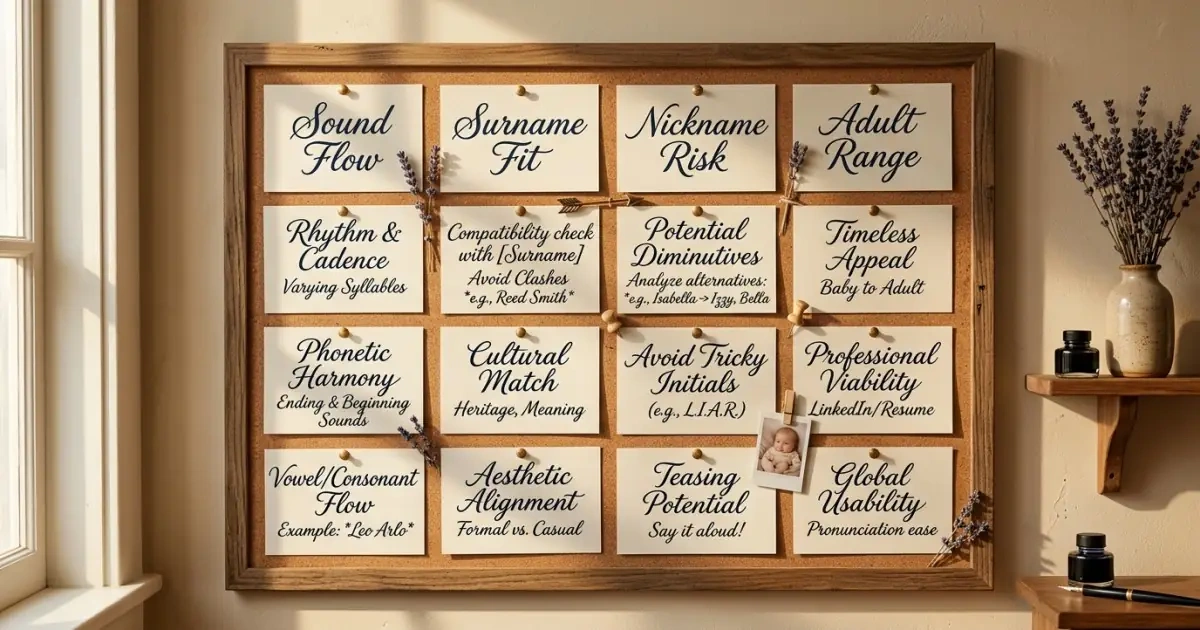
What a Baby Name Reality Check Actually Measures
A good test does more than ask whether you still like the name.
Liking is the starting point. Trust requires more.
| What You Are Testing | What It Reveals | Why It Matters Before Finalizing |
| Sound | Whether the name feels natural in real speech | A name you love visually may not move well in the mouth |
| Surname flow | How the first, middle, and last names behave together | The full name is what the child will actually carry |
| Nickname risk | The short forms, pet names, and casual versions likely to appear | Parents do not fully control how names get shortened |
| Initials and combinations | Awkward letters, monograms, or accidental phrases | Small preventable issues become more annoying after birth |
| Spelling and pronunciation | How strangers are likely to read, hear, and repeat the name | Correction burden should be chosen knowingly |
| Social ease | How the name functions in school, family, travel, and introductions | A name needs daily usability, not just private appeal |
| Adult range | Whether the name can grow beyond babyhood | The child will use the name much longer as an adult than as a baby |
| Emotional durability | Whether the name still feels right after repetition | A crush on a name is not the same as confidence |
Meaning also belongs in the test. When symbolism is doing serious work in your decision, spend time inside baby names by theme before finalizing. A name chosen for peace, strength, joy, wisdom, blessing, or light should still carry that value after the practical checks are done.
For parents still comparing several serious contenders, How to Compare Baby Names Objectively belongs before the final pressure test. This article is for the moment when one or two names are close enough to become real.

Start With the Full Name, Not the First Name Alone
The first name is only part of the decision.
A baby named Clara does not carry “Clara” in isolation. She carries Clara plus a surname, perhaps a middle name, possibly a double surname, and eventually initials, signatures, email addresses, labels, and formal introductions.
That full structure matters more than a beautiful first-name impression.
Say the first name with the surname until you stop hearing only the favorite part. Add the middle name if you already have one. Use the whole combination in a normal voice.
The test is not whether the full name sounds impressive. Impressive names can still be clumsy. Listen for something stricter: does the name feel naturally finished?
| Full-Name Pressure Point | What to Listen For | What It May Signal |
| Syllable weight | A combination that feels too long, clipped, or top-heavy | The first name and surname may be fighting for structure |
| Repeated sounds | Similar endings, stacked consonants, or heavy vowels | The name may become tiring in speech |
| Accidental rhyme | Sing-song rhythm or comic echo | The full name may draw attention for the wrong reason |
| Middle-name placement | A middle that smooths the name or makes it heavier | The middle slot may need restraint rather than decoration |
| Surname dominance | A family name that swallows a light first name | A stronger first-name shape may be needed |
| First-name excess | An ornate first name beside a complex surname | Simpler architecture may serve the child better |
A first name that felt plain can sharpen beside the right surname. A name that looked perfect in isolation may collapse under the full combination.
When full-name rhythm is the problem, go deeper with How to Match a First Name With Your Surname and How to Use Syllable Flow to Choose a Better Name. Surname fit is too central to leave as a vague feeling.

Let the Name Stop Performing and Become Real Speech
A name that only works in a careful voice has not passed the test.
Real family speech is faster, softer, rougher, and less polished than the voice people use when presenting a name to themselves. The out-loud test should expose that difference.
Take the name out of its ceremonial tone. Put it into ordinary sentences. Use it while walking through the house. Pair it with the surname. Say it as though you have been saying it for years.
| Speech Context | Example Use | What It Reveals |
| Warm family speech | “I love you, ___.” | Whether the name carries affection without stiffness |
| Practical parenting | “Can you grab ___’s bag?” | Whether it feels usable in daily logistics |
| Public calling | “___, come here.” | Whether it projects without becoming awkward |
| Introduction | “This is ___.” | Whether it feels like a real person’s name, not just a style choice |
| Adult self-introduction | “Hi, I’m ___.” | Whether the name has enough range for the child to own later |
| Tired speech | Said quickly, casually, without performance | Whether the name survives ordinary wear |
This is where some beautiful names lose polish. They remain attractive, but they demand too much care from the speaker. Others become stronger because they simplify under use.
Leo has immediate vocal ease. Eleanor carries more syllables, more formality, and more nickname architecture. Maeve is compact and strong in the mouth; Julian moves with more softness and length.
None of those mechanics decides the name alone. They simply reveal what daily life will feel like.
For a deeper spoken test, use How to Say a Baby Name Out Loud and Hear Its Real Flow before you commit.

Move the Name Through the Places It Will Actually Live
A name should not be tested in one emotional mood.
It has to work in public, private, casual, formal, written, spoken, affectionate, and administrative settings. Some names handle that range cleanly. Others depend too much on one ideal context.
| Real-Life Test | How to Use It | What It Can Expose |
| Playground test | Call the name across a park or room | Names that become flimsy, shrill, fussy, or hard to project |
| Introduction test | Say “This is ___” and “Hi, I’m ___” | Names that feel decorative instead of inhabited |
| Professional-life test | Imagine it on an email signature, meeting agenda, or formal introduction | Names that struggle beyond childhood |
| Paperwork test | Write it on forms, labels, and a mock school list | Spellings or combinations that look awkward in plain use |
| Sibling test | Say the name beside existing children’s names | Style collisions or forced matching |
| Family-use test | Let key relatives say it if their accents will be part of daily life | Pronunciation shifts you had not anticipated |
This kind of testing is not permission-seeking. It is exposure.
A name such as Theodore may gain strength through range: formal name, warm nickname, adult credibility. Milo brings lighter ease but less formal architecture. Juniper carries vivid nature imagery; that brightness may feel perfect in one family and too stylized in another.
The test tells you which version you are actually choosing.
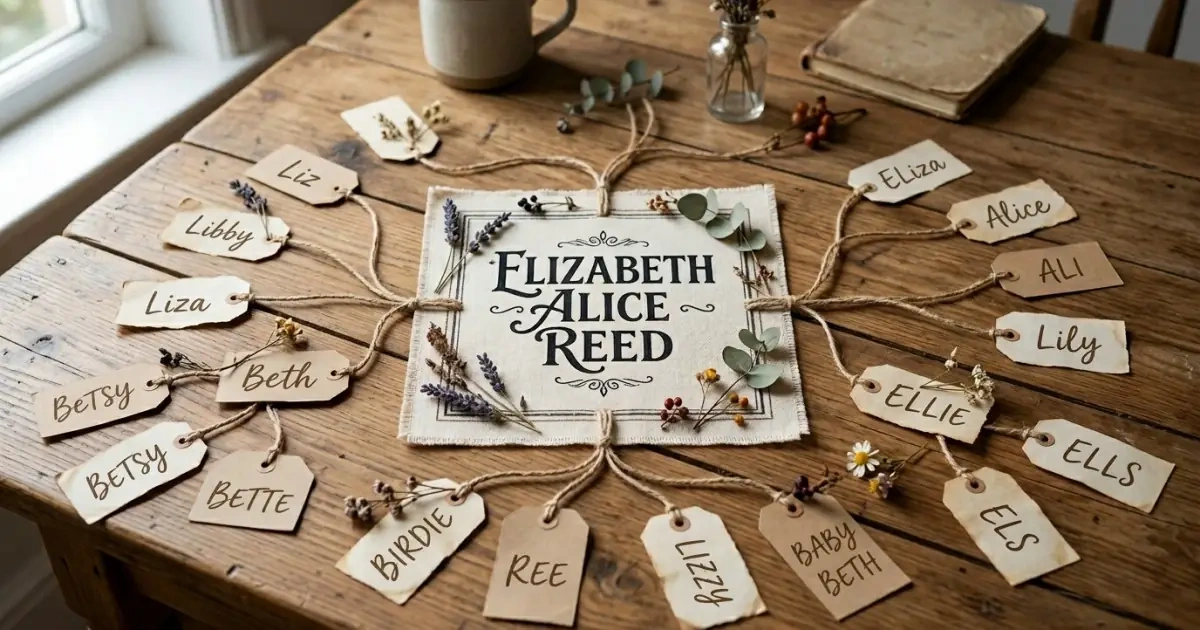
Treat Nicknames as Architecture, Not Afterthoughts
Nicknames are one of the least romantic parts of naming. They are also one of the most revealing.
Parents often choose the formal name and assume they can control the rest. Real life is not that tidy. Friends, siblings, teachers, grandparents, and the child themselves may shorten the name in ways you did not plan.
The task is not total control. It is awareness.
| Nickname Layer | What to Check | Why It Matters |
| Obvious short forms | The first nickname most people will reach for | This version may become the daily name faster than expected |
| Family pet names | Softer forms used at home | These can make a formal name feel more livable |
| Initial-based nicknames | AJ, CJ, MJ, or similar forms | Initials can override the formal name in social life |
| Teasing versions | Rhymes, distortions, or playground shortcuts | Not every risk matters, but obvious friction should be noticed |
| Child-controlled options | Versions the child may prefer later | A flexible name can give the child useful ownership |
A formal name may weaken when the default nickname irritates you. The opposite can happen too: the nickname gives the full name a practical escape hatch.
Arthur may invite Art or Artie depending on family style. Finn resists shortening and stays direct. Grace has little need for a nickname, while Elizabeth offers almost too many doors.
Do not ignore the names that orbit the name.
When nickname risk keeps returning, How to Check Nickname Potential Before You Choose is the more precise next step.
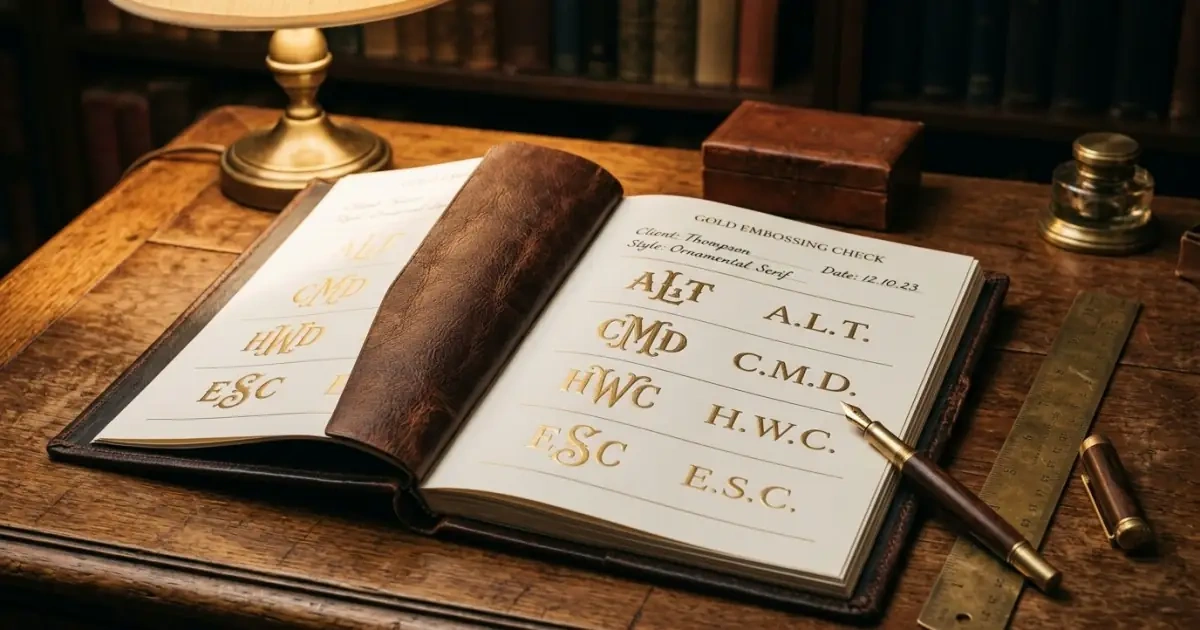
Check Initials, Monograms, and Awkward Combinations Before Attachment Hardens
Initials feel like a small detail until they become an obvious problem.
Write the full name in every likely format: first-middle-last initials, first-last initials, monogram order, two middle names, double-barrelled surname, and any email-style form that could appear later.
Then read the full name aloud, not just the pieces. Listen for accidental phrases, strange sound collisions, or comic echoes you missed while focusing on the first name.
| Combination Check | What to Do | What It Prevents |
| First-middle-last initials | Write the initials in order | Accidental words or awkward letter clusters |
| Monogram order | Check the format your family might use | Unintended initials becoming more visible |
| First-last pairing | Say the first and surname without the middle | A full name that only works when buffered |
| Email-style format | Try first initial plus surname, or first name plus last initial | Awkward school or workplace shorthand |
| Sibling initials | Compare with siblings if relevant | Repeated initials that may confuse family use |
| Full-name read-aloud | Ask someone to read it fresh | Problems you are too familiar with to notice |
This is not about optimizing every letter until the name becomes sterile. A slightly imperfect initial pattern is usually fine. Obvious trouble should be caught before the name becomes official.
For a deeper check, use How to Check Initials, Monograms, and Awkward Combinations.

Test Spelling and Pronunciation the Way the World Will Meet the Name
Parents know how they intend a name to sound. The world meets the name without that context.
That gap matters.
Show the written name to one or two trusted people and ask them to say it. Then say the name aloud and ask them to write it. Do not crowdsource taste. You are gathering practical data: what mistakes happen naturally, how often, and whether they bother you.
| Name Type | Likely Friction | Healthy Way to Judge It |
| Familiar name, standard spelling | Low correction burden | Check only for surname flow and associations |
| Familiar name, altered spelling | Misspellings and explanations | Ask whether the change adds meaning or only novelty |
| Heritage name | Pronunciation teaching or unfamiliar spelling | Decide whether the cultural value outweighs the correction |
| International name | Accent shifts across languages | Test it with the voices that will actually use it |
| Rare modern name | Misreading or uncertainty | Make sure distinction does not depend on confusion |
| Anglicized variation | Less friction, possible loss of original texture | Decide which matters more in your family context |
This is not an argument against culturally specific names. Many families choose them with pride, clarity, and excellent reason.
A name such as Saoirse may require pronunciation teaching in some settings, but that effort can be completely worth it when the name carries identity, sound, and meaning the family values. Nora carries far less friction, but it offers a different cultural and stylistic signal.
The danger lies in choosing a high-friction name while secretly wanting a low-friction life.
When this is the central tension, spend time with baby names by origin and then move into How to Evaluate Pronunciation Ease or How to Avoid Spelling Regret. The right choice may still be the harder name. It should be chosen with open eyes.

Put the Name Through the Adulthood Test
It is natural to picture the baby first. That is who you are preparing to meet.
The name, however, belongs to the full person.
Adulthood testing does not mean choosing something corporate, severe, or stripped of personality. It means checking whether the name can move beyond the nursery without losing credibility.
| Life Stage | What to Imagine | What You Are Testing |
| Baby | Birth announcement, family introductions, affectionate speech | Warmth and emotional fit |
| Child | School list, playground, sibling use, birthday parties | Ease, sound, and social usability |
| Teenager | Friend groups, independence, self-presentation | Whether the name feels too cute, heavy, or performative |
| Adult | Applications, signatures, professional introductions, travel | Range and long-term dignity |
| Older adult | Family history, formal documents, community life | Whether the name can age without feeling trapped in a trend |
Some names are adorable but narrow. Others feel slightly grand on a newborn and become stronger over time. A name like August may carry more weight than a tiny baby seems to need, yet that same structure can age beautifully. Isla brings lightness and current fluency, but parents should still test whether that softness has enough long-term substance for them.
Popularity and trend timing belong in this part of the test. Use baby names by popularity when your worry is visibility, duplication, or whether the name may date too quickly. For deeper judgment, How to Avoid Choosing a Name That Dates Too Fast, How to Choose a Name That Ages Well, and How to Choose a Name That Sounds Professional Later in Life each handle a different version of the long-term question.
Live With the Name Long Enough for the First Spark to Settle
A name can dazzle for forty-eight hours and fade by the end of the week.
That is not failure. That is information.
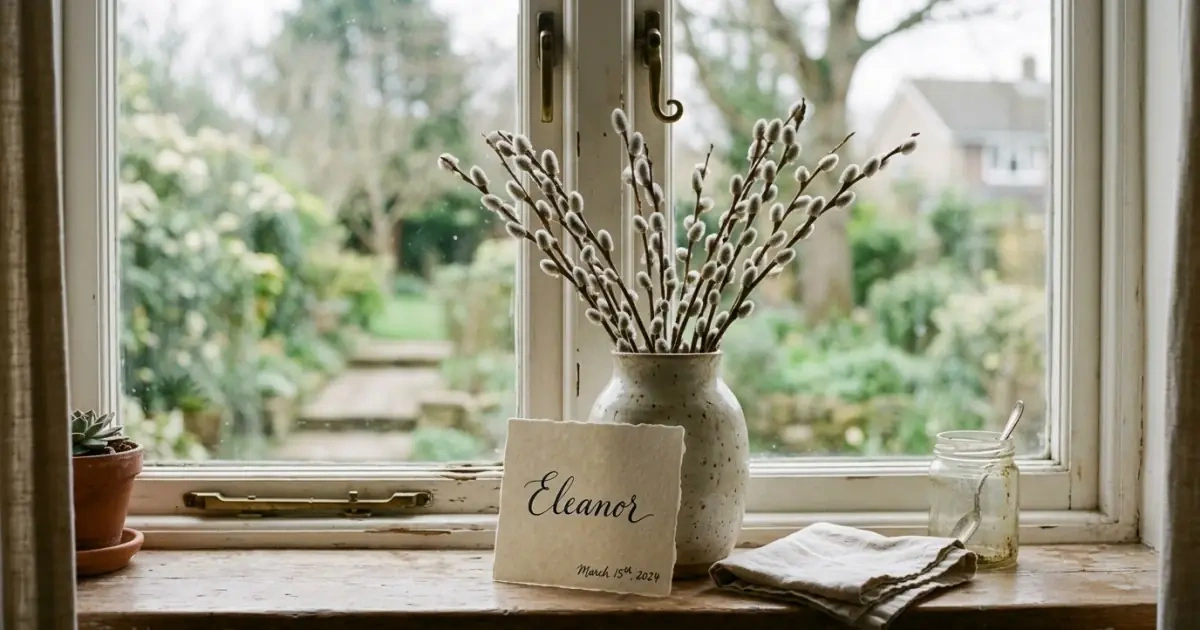
Write the name somewhere visible. Put it on a shortlist card, a note in your phone, or a piece of paper on the kitchen counter. Use it in conversation with your partner. Say it when referring to the baby. Let it exist in ordinary space, away from the intensity of a naming session.
Then watch what happens.
| After a Few Days, the Name… | What It May Mean |
| Feels more natural | Repetition is strengthening the choice |
| Starts to look overdesigned | The name may depend too much on visual style |
| Needs constant defending | A practical or emotional problem may still be unresolved |
| Feels warmer in speech than on paper | The name may be stronger in real life than in lists |
| Loses its original spark | First-impact appeal may have been doing too much work |
| Keeps returning calmly | The name may be moving from crush to trust |
Strong names often become quieter and more solid with repetition. Weaker ones tend to require more performance.
Do not rush past this difference. A final name does not have to feel dramatic every time you see it. It should feel increasingly usable.

Use Other People for Clarity, Not Permission
Other people can help. They can also ruin a nearly good decision.
Use them carefully.
A trusted person can reveal whether the pronunciation is less obvious than you thought. They may notice initials, rhythm problems, cultural associations, or an awkward nickname you missed. That kind of feedback is useful because it gives you information.
Taste feedback is different. People bring school memories, celebrity associations, class instincts, generational bias, pet names, and private irritations into every reaction. Their opinion may be honest and still irrelevant to your family.
| Ask Other People For | Avoid Asking Them For |
| First-read pronunciation | Whether the name is “good” |
| Likely spelling from sound | Whether they personally would use it |
| Awkward initials or obvious jokes | A ranking of your finalists |
| Cultural or language friction they genuinely understand | Permission to choose a name you already trust |
| Surname rhythm you may have stopped hearing | Open-ended reactions from too many people |
A helpful reaction is information. It is not authority.
Some names sound controversial before birth and completely natural once attached to a child. Keep the testing group small when outside opinions start making you less clear rather than more clear.
For a wider decision path, the Expert Baby Naming Guides for Choosing the Right Name page can help you move from scattered advice into the exact guide that matches your remaining concern.

Testing Mistakes That Create More Doubt Instead of More Clarity
A name can be tested repeatedly and still not be tested well.
Testing only in one mood is the first mistake. A nursery voice tells you very little about school, forms, introductions, family use, and adulthood.
Another common error is giving one dramatic comment too much authority. A relative’s odd reaction is not automatically a warning sign. It may be noise, especially when the name has already passed practical checks.
Some parents confuse unfamiliarity with impracticality. A name that is new to someone is not automatically hard to live with. The real test is repeated friction, not first exposure.
Overtesting creates its own problem. When every name is measured against too many invented criteria, discussed with too many people, and reopened after every minor doubt, confidence collapses. That is not careful naming. It is anxiety wearing a checklist.
| Testing Mistake | Why It Weakens the Decision | Better Move |
| Testing only in ideal speech | The name never meets ordinary use | Use daily phrases and quick speech |
| Letting one comment dominate | Outside bias can outweigh real evidence | Separate useful data from taste noise |
| Treating unfamiliarity as failure | Distinctive names may need one exposure | Look for repeated friction, not novelty |
| Ignoring initials and nicknames | Preventable issues survive until too late | Check the obvious practical forms early |
| Adding endless criteria | The name can never pass | Focus on the issues that would truly affect regret |
| Reopening after a clear pass | Doubt becomes a habit | Let a tested name settle |
The goal is not to remove every uncertainty. It is to catch meaningful friction while the choice can still be changed.

Signs a Baby Name Has Passed the Reality Check
A tested name feels different from an untested favorite.
It does not need constant defense. It works in more than one setting. It still feels good after repetition. The remaining doubts feel like normal naming vulnerability, not ignored practical problems.
| Sign the Name Is Holding Up | What It Means |
| You enjoy saying it, not just seeing it | Sound and affection are working together |
| The surname fit feels natural | The full name can function without apology |
| Nicknames are acceptable | You are not secretly fighting the name’s social life |
| Spelling and pronunciation friction feels manageable | The effort, if any, has been chosen honestly |
| It survives a few days of ordinary use | The appeal is durable, not just immediate |
| It works across life stages | The name is not trapped in babyhood |
| You feel calmer after testing | The process created trust rather than more noise |
That final sign matters.
A well-tested name often feels calmer than a newly discovered one. It may not produce the rush of first attraction. It gives something more durable: confidence that the name can live.
When testing leaves you with two strong survivors, move into How to Decide Between Two Baby Names. When one name keeps holding together and your doubt is mostly emotional, How to Know When a Name Feels Right is the better next read.

A Weekend Framework for Testing a Baby Name Before Finalizing It
A short, focused test can reveal more than weeks of vague circling.
Use one weekend. Keep the process contained. Test what matters.
| Step | What to Do | What You Should Learn |
| Friday evening | Write the full name: first, middle if known, surname | Whether the whole structure looks complete |
| Saturday morning | Say the name in daily speech, introductions, public calling, and adult contexts | Whether it behaves like a real name |
| Saturday afternoon | Check nicknames, initials, monograms, and awkward combinations | Whether preventable problems appear |
| Saturday evening | Test spelling and pronunciation with one or two trusted people | Whether correction burden feels acceptable |
| Sunday morning | Compare the name across baby, child, teen, and adult stages | Whether the name has range |
| Sunday afternoon | Let the name sit without debate | Whether it deepens or starts to fade |
| Sunday evening | Decide whether the name feels usable, not merely exciting | Whether the name has moved from admiration to trust |
Excitement matters. Durability matters more.
A name that survives this weekend may still not be perfect. It does not need to be. It needs to be strong enough for the real life it is about to enter.

Questions Parents Ask While Testing a Baby Name
How long should you test a baby name before finalizing it?
A few days to a week is usually enough. You want enough repetition to see whether the name strengthens, flattens, or starts creating avoidable friction. Endless testing can make any name feel strange.
Should you test a baby name with other people?
Use a small, trusted group for practical clarity. Ask how they would pronounce it, spell it, or whether they notice an obvious issue. Do not turn the final choice into a popularity vote.
What if a name needs some explanation?
A name can still be right when the explanation feels worth carrying. Heritage, meaning, and sound may justify extra effort. Trouble starts when the explanation already feels tiring before the child is born.
How much should nickname risk matter?
Enough to check seriously. Focus on the most likely nicknames, not every possible tease. A nickname you mildly dislike may be livable; a default short form you truly hate deserves more attention.
What if the name passes every practical test but I still feel nervous?
Some nerves are normal. Naming a child is emotionally exposed. Look for the difference between ordinary vulnerability and a specific unresolved problem. A passed test should leave you calmer, even if not entirely fearless.
Can a name fail the test and still be worth using?
Yes, when the problem is minor and the name carries enough value to justify it. A name does not have to be effortless. It has to be chosen honestly, with its trade-offs understood.

Where to Go Once a Name Survives Real-Life Testing
When a name has passed the reality check, the next step is usually commitment, not more browsing.
Let the name settle. Say it with the surname. Check the middle name if one is still undecided. Confirm initials, nicknames, pronunciation, and long-term fit one last time, then give the name room to become real.
Testing may also reveal a narrower problem. Surname flow belongs with How to Match a First Name With Your Surname. Nickname anxiety belongs with How to Check Nickname Potential Before You Choose. Spelling and pronunciation concerns need the specific guides on those topics. A shortlist that still feels crowded should return to How to Build a Baby Name Shortlist or How to Compare Baby Names Objectively.
A final baby name does not have to be flawless. It does need to survive ordinary use with grace: spoken quickly, written plainly, shortened naturally, carried into adulthood, and attached to a real child rather than an imagined ideal.
That is what testing gives you. Not abstract certainty. Usable trust.