
How to Use Family Names Without Making the Choice Feel Forced
A family name should feel like a gift, not a debt.
That sounds simple until the name comes with history, grief, expectation, or a relative who has quietly assumed the baby will carry it. Family names can hold extraordinary meaning: love, migration, sacrifice, faith, a surname that might otherwise disappear, or the memory of someone who shaped the family.
They can also become heavy.
The name may not fit your style. One side of the family may expect to be honored more visibly than the other. A person you love may have a name that feels dated, difficult, or emotionally complicated. A recent loss can make the honor feel urgent before the parents have had enough space to choose calmly. In some families, no one says the pressure out loud. Everyone simply knows the name you are “supposed” to use.
That is where honor starts to blur into obligation.
A family name should serve the child’s full identity, not just the family’s expectation. It should feel chosen by the parents, usable for the child, and warm enough to explain without defensiveness. The strongest honor names do not lock a child inside someone else’s story. They carry love forward while leaving room for the child to become themselves.
When heritage, language, or ancestral continuity is central to the choice, begin with Baby Names by Origin. Origin can clarify whether you are preserving a family language, honoring a cultural line, or keeping a surname visible in a new generation. For the wider naming process, Expert Baby Naming Guides for Choosing the Right Name can keep family-name decisions in proportion with style, meaning, surname flow, popularity, pronunciation, initials, and long-term usability.
When you already know the person you want to honor, How to Name a Baby After a Relative Well can help with the emotional side of the choice. This guide focuses on a different pressure point: using family names without letting guilt, politics, or tradition take over the whole name.

A Family Name Feels Forced When Obligation Leads
A family name is not forced just because it comes from family.
Many family names feel natural, warm, and exact. The pressure begins when affection is no longer the main reason. Parents start choosing from fear: fear of disappointing someone, breaking a tradition, reopening grief, appearing ungrateful, or letting one side of the family feel unseen.
Family disappointment can be real. Names carry history. A grandparent may hope to be remembered. A parent may want a surname to continue. A relative may see a name as proof of belonging.
Still, guilt is not honor.
A name chosen mainly to prevent conflict can leave parents feeling resentful. The child may inherit a story that sounds loving in public but tense in private.
Pause when the explanation begins to sound like this:
- “We had to use it.” Obligation has started to outrank affection.
- “It would hurt them if we didn’t.” Someone else’s reaction is leading the decision.
- “It’s expected in the family.” Tradition may be meaningful, but expectation alone is thin ground.
- “I don’t love it, but it keeps the peace.” A child’s name should not become the cost of adult harmony.
- “There was no real choice.” A name should feel selected, not assigned.
A meaningful family name should still feel chosen.
Not merely accepted.
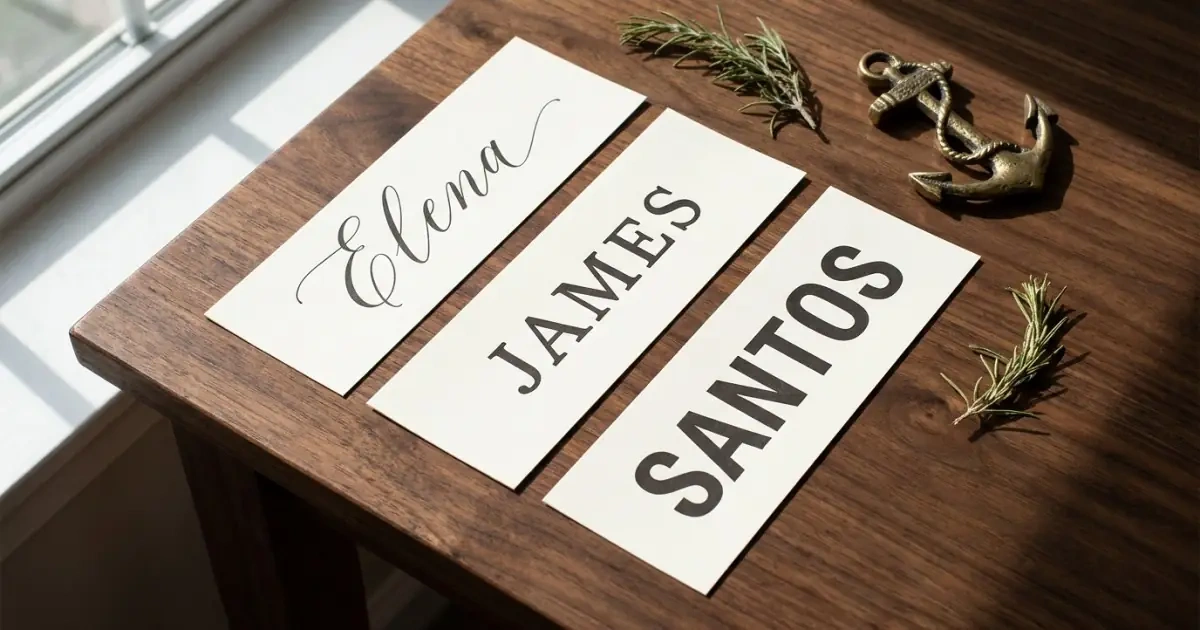
Full-Name Fit Can Make or Break the Honor
Emotional meaning does not cancel practical use.
A family name may matter deeply and still strain the full name. It may be too long with the surname, difficult to pronounce, awkward in initials, too close to a sibling’s name, or far outside the style parents naturally love.
That does not mean the honor has to disappear. It may need a different form.
Exact first name, middle name, variant, same initial, related meaning, family surname, or private nickname can all carry connection. The form should fit the child, not only the family story.
Before committing, test:
- First name + surname. The daily public version.
- First name + family middle + surname. The formal legal version.
- Nickname + surname. The version family and friends may actually use.
- Initials and monogram. The compact forms that may appear on records, labels, or keepsakes.
- Sibling fit. The name should not feel far heavier or more pressured than siblings’ names.
- Everyday sentences. A name can be meaningful in theory and awkward in speech.
For full-name structure, use How to Build a First-Middle-Surname Combination That Flows. Family meaning should deepen the name, not make it harder to carry.
Family Names Become Tense When One Side Always Wins
Family naming often exposes a larger balance problem.
Maybe the baby already receives one parent’s surname. Maybe one side has a strong tradition of passing names down. Maybe one family speaks more loudly about expectations. Maybe one parent feels their heritage is slowly disappearing from the child’s full name.
Balance does not require a perfect split. It does require awareness.
A name can become forced when one side of the family repeatedly dominates the naming structure. That imbalance may show up in subtle ways:
- Surname visibility. One parent’s family name may already be carried by default.
- Middle-name pressure. The other side may be expected to accept whatever space remains.
- Tradition imbalance. One family’s naming customs may be treated as non-negotiable.
- Heritage loss. A parent may feel that language, culture, or ancestry is being quietly erased.
- Sibling patterning. One child may carry all the formal honor while others receive freer names.
A middle name can balance the side whose surname is not passed down. Two middles can include both sides when the full name still feels usable. A sibling set can distribute family honor over time.
Family naming should not become a scoreboard.
For middle-name strategy, use How to Use Middle Names to Carry Heritage and Meaning and How Middle Names Work When You Are Building a Full Name.
Exact Repetition Carries the Strongest Comparison
Naming a baby after a parent, grandparent, or admired relative can be powerful.
It can also create comparison.
A first name after a loved one places the honor into daily use. The child may hear stories, praise, expectations, and emotional weight every time the name comes up. When the namesake was beloved, the comparison may feel inspiring. When the relationship was complicated, the child may inherit tension they never chose. When the namesake was recently lost, grief can make the name feel sacred in a way that may become heavy later.
Exact repetition has the strongest identity pull.
A middle name can carry the connection more quietly. A variant may preserve the honor while giving the child a different sound. An initial or related meaning may be enough when the exact name feels too loaded.
For parent-name repetition, How to Pass Down a Parent Name Without Creating Identity Fatigue is worth reading before placing the honor in the first-name position.
A child can inherit love.
They should not inherit a role.
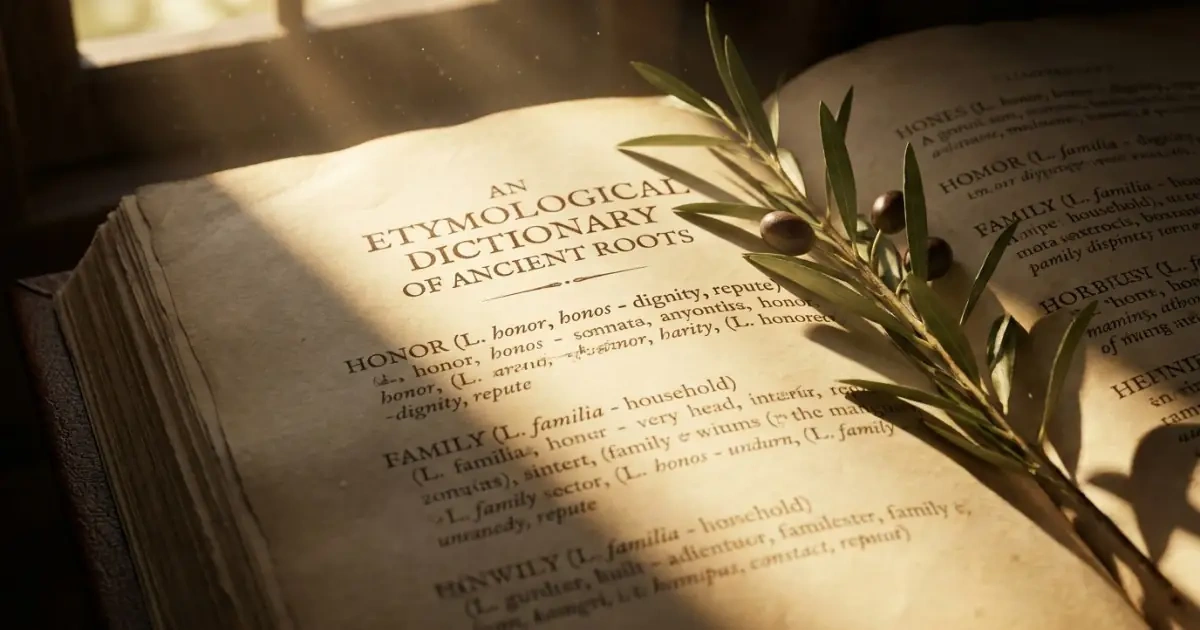
Start With the Meaning Behind the Family Name
A family name becomes more flexible once you know what you are actually trying to carry.
Do not begin by asking whether you must use Margaret, John, Rose, or Arthur exactly. Begin with the reason those names matter.
A family name may represent:
- A beloved person. The name points to someone whose presence still shapes the family.
- A branch of the family. The honor may preserve one side, line, or surname.
- A culture or language. The name may hold origin more strongly than style.
- A faith tradition. The name may carry sacred, spiritual, or religious continuity.
- A value. Courage, kindness, wisdom, resilience, peace, and generosity can all be honored through meaning.
- A place or migration story. Some names matter because of where the family began, moved, or rebuilt itself.
- A parent whose surname is not passed down. A middle name may become the place where that family line remains visible.
- A memory of someone who died. The name may hold grief, love, and continuity all at once.
Each purpose suggests a different solution.
A specific person may call for the exact name. A family line may work better as a surname middle. A value may be better carried through meaning. Cultural continuity may need an origin-related name or a bilingual form rather than a difficult exact repetition.
When the honor is sacred or faith-based, How to Choose Spiritual and Sacred Baby Names can help separate reverence from pressure.

You Can Love the Person and Not Love the Name
This is one of the hardest truths in family naming.
You can love a person deeply and still dislike their name.
That is not disrespect. A name has sound, rhythm, style, spelling, cultural associations, and daily usability. The person may be beloved while the name itself feels wrong with your surname, your taste, your child’s first name, or your family’s everyday life.
Parents often feel guilty for noticing this. They treat reluctance as betrayal.
It may be information.
A name you privately dislike can become hard to say with warmth. Over time, that tension may attach itself to the honor. A graceful adaptation may be more loving than exact repetition chosen through clenched teeth.
Naming a child is not the only way to honor someone.
It is simply one of the most visible ways.
Decide How Visible the Honor Needs to Be
Family honor can be public, subtle, or private.
Visibility changes the weight of the name. A first-name honor is heard constantly. A middle-name honor appears in the full legal name and family story. A variant or shared initial may be visible to those who know the connection. A same-meaning name may be private, but still powerful.
Visible honor can include:
- Exact first name. The strongest and most public form.
- Exact middle name. Clear, respectful, and less dominant in daily life.
- Family surname as middle. Useful when preserving a maternal line, maiden name, or branch of the family.
- Same initial. A visible but flexible connection.
- Obvious variant. Recognizable without being identical.
Private honor can include:
- Same meaning. Symbolic and often more wearable.
- Translated form. Useful across languages or cultures.
- Subtle variant. A softer nod when the exact name is too heavy.
- Birth month or place connection. Personal without becoming obvious to everyone.
- Family nickname. Warm, intimate, and often more emotionally accurate than the formal name.
- Name from the same origin. A cultural connection without direct repetition.
- Value-based name. A name that reflects the person’s character rather than their exact sound.
Private honor is not weaker by default. For some families, it is kinder. It lets the story remain personal instead of turning the child’s name into a public explanation.
When meaning is your main route, use Baby Names by Theme and How to Choose a Baby Name by Meaning to keep the symbolism clean.
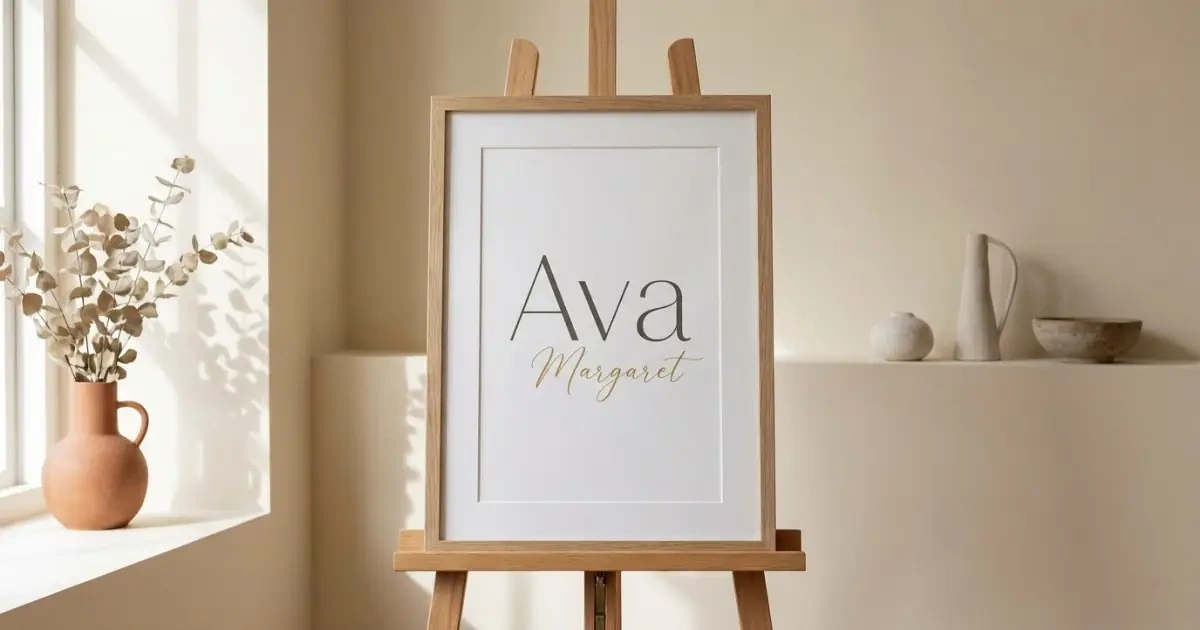
The Middle Position Is Often the Safest Place for an Exact Family Name
Exact family names often work best in the middle.
The middle position lets the honor stay present without controlling daily identity. It gives parents room to use a first name they genuinely love while carrying family meaning in the full name.
That can be especially useful when the family name is formal, older, strongly tied to one person, or not quite aligned with the parents’ style.
Examples:
- Ava Margaret. A light, current first name gives a substantial family middle room to feel dignified.
- Leo Thomas. A short first name gains tradition and steadiness.
- Mia Catherine. The middle adds formal depth without changing daily use.
- Henry Joseph. Both names feel traditional, but the honor remains quieter in the middle slot.
The first name carries everyday identity. The middle name carries the family story.
For this decision, use How to Choose a Middle Name. When two family names are competing for space, One Middle Name vs Two: How to Decide can prevent the full name from becoming a compromise ledger.
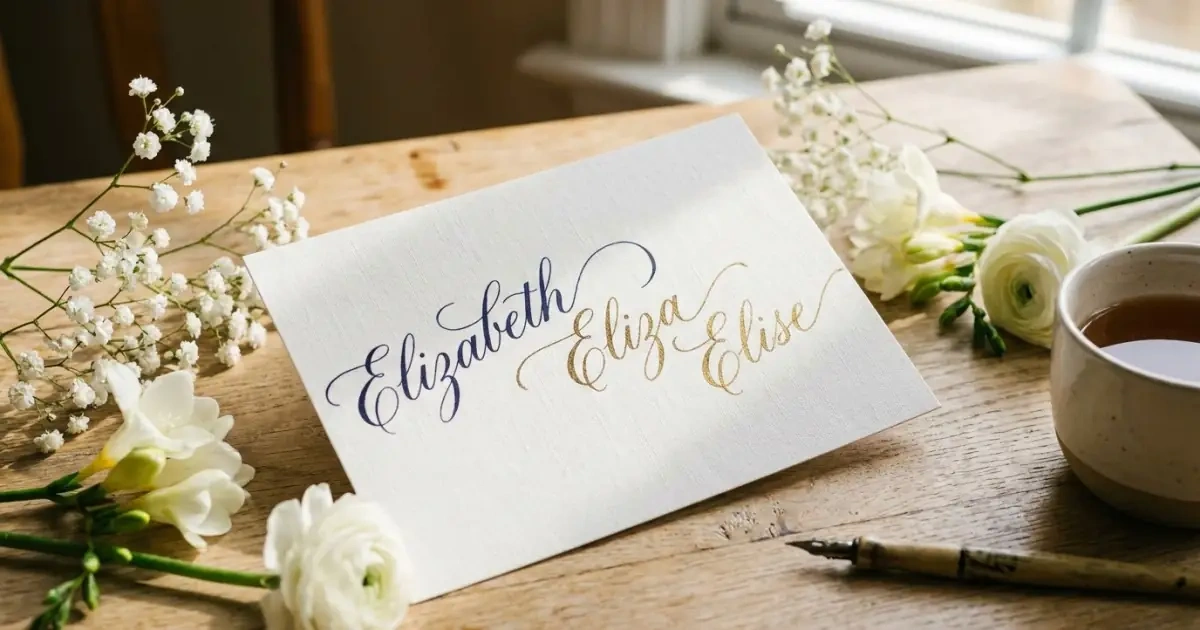
Variants Can Keep the Honor Alive
Honor can survive a form change.
A variant may keep the emotional connection while making the name more usable, modern, bilingual, or aligned with your family’s style. This is especially helpful when the exact family name feels dated, too formal, too tied to one person, or difficult in daily speech.
A rigid family name can be gracefully modernized through related variants: John might become Jack, Ian, Juan, Giovanni, or Sean, while Elizabeth can soften into Eliza, Elise, Isabel, or Elsa. Honoring Margaret might lead to Margo, Greta, Maisie, or Pearl; Charles can shift naturally into Charlie, Carl, or Carlo.
The emotional line remains intact, but the child receives a name that works more naturally in daily life.
A related form is not a diluted honor when it allows the name to be chosen with more warmth.
For traditional-name updates, use How to Adapt a Traditional Name for Modern Everyday Use. When the family uses more than one language, How to Choose a Name That Works in Two Languages can help you choose a form that travels across households.

Shared Initials Can Be a Graceful Compromise
A shared initial keeps the connection visible without copying the exact name.
This can work when the person matters, but the original name does not fit the child’s full name, the parents’ style, or the surname.
Examples:
Some relatives may see an initial as too subtle. That does not make it wrong.
Parents need to decide whether the honor is meant to satisfy an audience or carry a connection. The answer changes the name.
A quiet honor can still be real.

Same-Meaning Names Can Carry the Heart of the Tribute
A same-meaning name can be powerful when the exact family name is not usable.
Margaret is traditionally associated with pearl, so Pearl can carry the symbolic root while feeling like its own name. A relative remembered for warmth could inspire a light-related name. A person known for steadiness might inspire a name tied to strength or peace.
This route is especially useful when the family name has difficult associations, painful history, or a sound the parents cannot love.
A meaning-based honor may not be obvious to everyone. That can be a strength. It gives the child a name that stands independently, while the family keeps the story.
The risk is overcomplication. Do not stack too many symbolic layers until the honor becomes a puzzle. A same-meaning name should be easy to explain in one warm sentence.

Family Surnames Can Make Strong Middle Names
Family surnames can carry ancestry with unusual clarity.
They are especially useful when parents want to preserve a maternal line, a grandparent’s maiden name, a regional connection, or a surname that will not be passed down.
A surname in the middle can feel grounded and distinctive. It can also feel heavy when the first name, middle surname, and legal surname all compete for weight.
Check:
- Pronunciation. Can the family say it clearly?
- Full-name flow. Does the surname-middle support the whole name?
- Initials. Do the initials create anything awkward?
- Length. Does the full legal name become too long?
- Style. Does the surname feel natural in the middle slot?
- Balance. Does the child’s full name feel like identity, not an archive?
A family surname often works best with a clear first name. Ava Montgomery, Leo Sullivan, Nora Whitaker, and Henry Callahan show the basic structure: daily ease first, family weight second.
The surname-middle should add root.
Not bulk.
A Family Nickname Can Be Enough
Not every honor needs to become legal.
A family nickname, home-only name, or private phrase can sometimes carry the connection more naturally than the official name. This is especially true when the exact name feels sentimental but wrong for the birth certificate.
A child legally named Mila might be called Mimi after a grandmother. Another child may share a family-only nickname, a special greeting, or a story connected to a loved one.
This route is softer and less guaranteed. Nicknames may not stick. Children may later choose differently.
For some families, that flexibility is exactly what makes the honor feel loving rather than forced.
A private name can leave the child room.
Use the Family Name as a First Name Only When It Works Daily
The first-name position carries the most weight.
It is used at home, in school, in friendships, in medical offices, in future workplaces, and in adulthood. A family name in this position must pass the same tests as any other first name.
Check:
- Surname fit.
- Pronunciation.
- Spelling.
- Nickname options.
- Adulthood fit.
- Partner agreement.
- Everyday comfort.
When the name works only because of the honor, it may belong in the middle instead.
Loving a grandfather does not require giving your child a first name you do not enjoy saying every day. The honor should not ask the child to carry the parents’ hesitation.
For future-life fit, How to Choose a Name That Ages Well can test whether the family name works beyond the baby stage.
Two Middles Should Not Become a Compromise Ledger
Two middle names can be a fair and meaningful solution.
They may represent both sides of the family, combine a family name with a heritage name, or preserve a relative and a surname. Used carefully, two middles can carry depth without crowding the first name.
The problem begins when every middle name is there to prevent someone’s disappointment.
Then the full name starts to feel like a negotiation record.
Use two middles only when:
- Both names have a clear purpose.
- The full name remains usable.
- The initials work.
- Both parents genuinely agree.
- Each honor would still matter without family pressure.
A second middle should add meaning, fairness, heritage, or rhythm. It should not simply absorb guilt.
Do Not Use the First-Name Spot to Solve Family Politics
The first-name position belongs most to the child.
When family politics are intense, a quieter honor form may be healthier: middle name, variant, initial, same meaning, surname as middle, private nickname, or sibling distribution.
A child should not have to carry a first name the parents do not love in order to keep peace between adults.
Family peace matters.
It should not require a lifelong name choice made from fear.

Old Family Names Need a Fresh Usability Test
Names age differently across generations.
A name that felt elegant or ordinary to one generation may feel dated, charming, heavy, quirky, or newly stylish to another. The person attached to the name may be beloved while the name itself lands awkwardly in the current naming landscape.
Older family names may fall into several categories:
- Ready for revival. The name feels warm, usable, and ready to return.
- Still heavy. The name remains too tied to an era for the parents’ taste.
- Quirky but possible. The right placement or middle name may make it work.
- Emotionally loved, stylistically wrong. The person matters more than the sound.
- Better adapted. A variant, initial, or meaning may carry the honor more gracefully.
Names such as Agnes, Edith, Walter, Harold, Mildred, and Eugene may land very differently depending on family taste, location, and current style.
Dated is not automatically bad.
The useful distinction is charm versus burden.

Vintage Revival Can Make Some Family Names Easier to Use
Some older family names now feel fresh again.
Arthur, Florence, Eleanor, Theodore, and Mae can feel revived rather than forgotten. They have enough history to feel rooted and enough current sound appeal to feel usable.
Still, revival should not choose the name for you.
A name can be fashionable again and still wrong for your child’s full name. Test it with the surname, siblings, middle options, and daily speech.
For long-term style decisions, What Makes a Name Feel Timeless? and How to Avoid Choosing a Name That Dates Too Fast can help separate genuine revival from trend timing.

Changed Associations Do Not Erase the Person You Love
A family name may now carry associations it did not have when your relative was named.
A public figure, fictional character, brand, joke, stereotype, or cultural shift can change how the name feels. That does not make the relative less worthy of honor. It may simply make the exact name harder for a child to carry.
In that case, adaptation can be the more thoughtful choice.
A variant, middle placement, shared initial, same meaning, or surname connection can protect the tribute while avoiding a difficult daily association.
This is not rejecting the person.
It is shaping the honor around the child’s life.
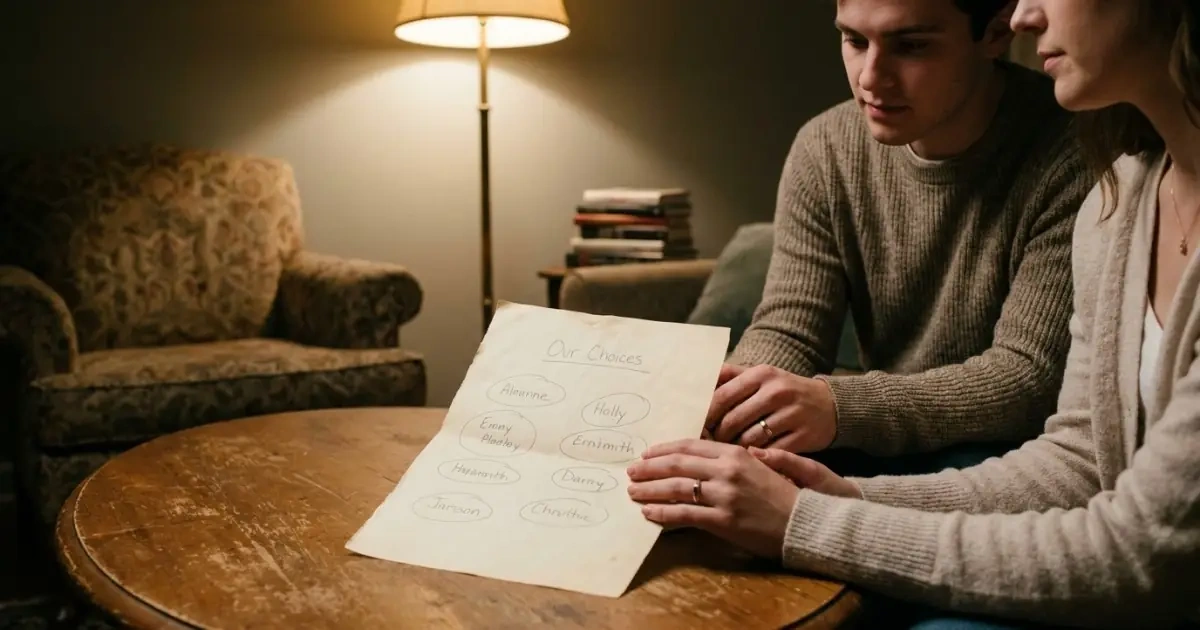
Family Pressure Requires Partner Agreement First
Family-name decisions often involve more than taste.
They can bring up grief, pride, religion, sibling rivalry, inheritance, cultural continuity, and old family expectations. That is why partner agreement matters so much. A name that pleases one branch of the family but leaves one parent cornered is not a peaceful choice.
Family disappointment is real.
It cannot be the decision-maker.
The baby will carry the name longer than relatives will react to it. A grandparent may be disappointed for a season. A child may manage the name for a lifetime.
Real agreement does not mean both parents feel exactly the same. It means neither parent feels forced.
For partner decision-making, use How to Choose a Name With Your Partner.

Turn a Family Name Demand Into a Naming Conversation
A family name should open the conversation, not close it.
Instead of treating the name as a command, make the purpose visible.
Ask:
- What do we want this name to represent?
- Is the exact name necessary?
- Could it work better as a middle?
- Would a variant feel warmer?
- Could an initial or meaning carry the connection?
- Does the name serve the child as well as the family?
- Would another child or future sibling set be a better place for this honor?
This approach lowers pressure because it gives both parents room to think.
It also protects the honor from becoming a fight over loyalty.

Boundaries Should Come Before the Family Shortlist
When family pressure is high, be careful about asking for opinions.
Do not crowdsource a decision you are not ready to negotiate. Relatives may believe they are being invited into the choice when parents only wanted gentle feedback.
Before sharing names, decide what is truly open:
- Exact name.
- Variant.
- Middle only.
- Initial only.
- Surname as middle.
- No family names.
- Family names only when both parents love them.
Boundaries are not unkind.
They prevent a baby name from becoming a public vote.

Fairness Does Not Always Mean One Name From Each Side
Balancing family names can become complicated when both sides have meaningful names, traditions, or expectations.
Fairness is not always mathematical.
One side may already be represented by the surname. Another may have a recently lost relative. One parent may feel more connected to heritage through names. A family tradition may matter deeply, but still need adjustment for the child’s actual full name.
Fairness means looking at the whole structure:
- Which surname is passed down?
- Which side already appears in the full name?
- Which honor feels most meaningful to the parents?
- Which name is most usable for the child?
- Which family expectation is loving, and which is pressure?
- Can another form carry the connection more gracefully?
Exact equality can sound fair and still produce a name that feels strained.
Conscious balance is better than arithmetic.

Siblings Can Share Family Honor Over Time
Family honor does not have to fit into one child’s name.
One child may carry a maternal line. Another may carry a paternal line. One may have a family surname as a middle. Another may carry a grandparent’s name, a shared initial, or a meaning tied to family values.
This can work well when parents think about the family story across more than one child.
The caution is weight. One child should not become the container for every formal honor while siblings receive lighter, freer choices.
For sibling balance, use How to Choose Sibling Names That Fit Without Matching Too Hard and How to Balance Different Style Levels Between Siblings.
Avoid turning the process into “we used your side last time.”
Balance matters. Scorekeeping does not make a name better.
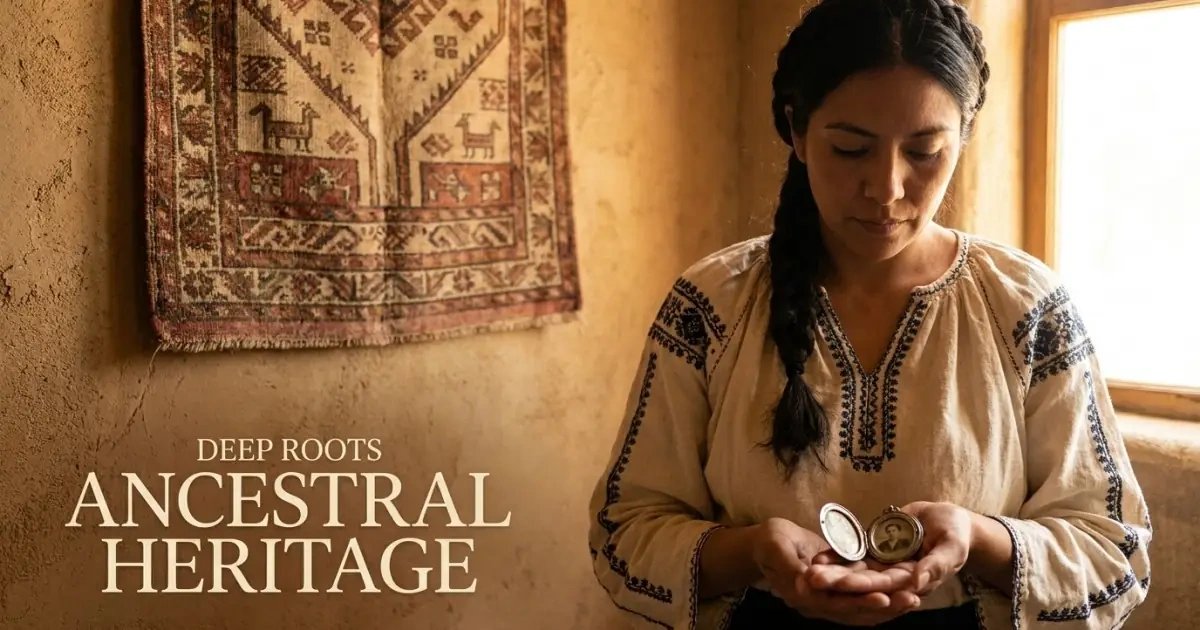
Heritage Names Carry More Than Style
Family names often carry origin more strongly than aesthetic taste.
Some names matter because they sound beautiful. Others matter because they prove where the family comes from.
A heritage family name may not match current baby-name style perfectly. It may be longer, less familiar, harder to pronounce, or tied to a specific language. Still, it may hold a story that a fashionable replacement cannot.
That is why origin should be considered directly. A family name may be doing cultural work, not just style work.
A heritage name can be honored through several forms:
- Exact heritage name as a middle.
- Pronunciation-friendly variant.
- Related form in the family language.
- Family surname as middle.
- Name that travels across languages.
- Same initial from the heritage name.
- Middle name that carries culture while the first name stays more familiar.
This is not watering down heritage.
It is choosing the form the child can carry best.
For this balance, read How to Honor Heritage Without Forcing Tradition, How to Choose Bilingual-Friendly Baby Names, and How to Choose Names That Work Across Different Accents.

The Story Should Feel Worth the Friction
Some family names require explanation.
That is not automatically a problem. A child may enjoy knowing they were named after a resilient grandparent, a family surname, a migration story, or a cultural tradition that matters.
The real test is whether the story can support the friction.
Ask:
- Will the child hear this story with pride?
- Can the name be explained simply?
- Does the name invite constant correction?
- Is the effort reasonable for the meaning it carries?
- Would a subtler form carry the same love with less weight?
Do not erase heritage because of friction.
Do not ignore friction because of heritage.
When cross-border use matters, How to Choose a Name That Travels Well Internationally can help with the final portability check.
Style Contrast Can Make a Family Name Feel Alive
Family names often come from another generation.
They may feel more formal, religious, cultural, surname-like, or old-fashioned than the names parents naturally love. The answer is not always rejection. Often, the answer is placement and contrast.
A traditional family name can feel more wearable beside a fresher first name:
The first name brings current energy. The family name brings depth and history. This works especially well in the middle position, where an older name can feel honorable instead of outdated.
A bold family surname may need a simple first name. A formal family name may need warmth around it. A heritage-heavy name may need a more familiar companion.
Useful contrasts include:
- Classic + modern.
- Strong + soft.
- Heritage + familiar.
- Surname + lyrical.
- Formal + warm.
- Vintage + simple.
The goal is not to disguise the family name.
The goal is to frame it well.
For style decisions, use Classic vs Modern Baby Names: How to Decide and How to Choose Middle Names That Soften or Strengthen a First Name.
Some Family Names Should Not Be Forced Into the First-Name Role
Some family names do not work as first names for your child.
They may still work beautifully as middle names, initials, meanings, variants, surnames, or private honors.
Trying to force an old, formal, difficult, or emotionally complicated name into the first-name spot may make the full name feel artificial. A graceful adaptation often shows more care than exact repetition chosen with tension.
The child should receive the best form of the honor.
Not necessarily the most literal one.

Practical Tests Before You Commit to a Family Name
A family name should pass emotional and practical tests.
It can be meaningful and still not right. It can be old-fashioned and still perfect. It can be subtle and still deeply honoring.
Testing helps you tell the difference.
The chosen-not-assigned test
Ask:
- Would we choose this name if no one expected it?
- Can we explain it warmly?
- Does it feel like love, not debt?
- Do both parents feel included in the decision?
- Would we feel proud saying the full name aloud?
When the name feels assigned, look for another honor form.
The full-name flow test
Check:
- First + surname.
- First + family middle + surname.
- Nickname + surname.
- Initials.
- Monogram.
- Sibling names.
- Full legal name on forms.
A family name should not create a full name that is much harder for the child to carry.
The everyday-use test
Put the name into real sentences:
- “This is ___.”
- “Please welcome ___.”
- “Can you spell ___ for me?”
- “___, it’s time to go.”
- “We named the baby ___ after ___.”
This reveals whether the name feels natural in daily speech or only meaningful in theory. For sound-specific friction, use How to Say a Baby Name Out Loud and Hear Its Real Flow.
The child-identity test
Ask:
- Will the child be compared constantly?
- Is the namesake’s story healthy to carry?
- Does the name leave room for the child’s own personality?
- Would the child have an easy everyday version if needed?
- Is the honor inspiring rather than burdensome?
When comparison feels intense, consider a middle name, variant, or private honor form.
The family-boundary test
Ask:
- Are we choosing this for love or to avoid conflict?
- Is the pressure temporary or lifelong?
- Would we resent this choice?
- Can we offer a different honor form?
- Are we ready to explain the choice calmly?
A family name should not require parents to silence their instincts.
Mistakes That Make Family Names Feel Forced
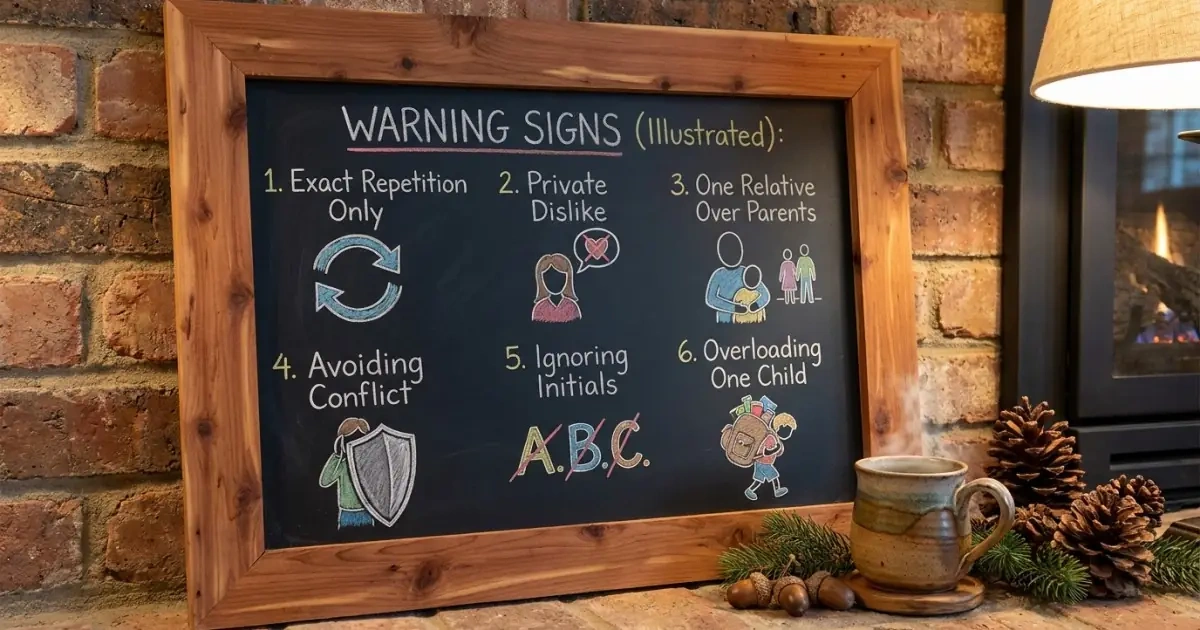
Most family-name mistakes come from treating exact repetition as the only valid honor.
There are many ways to carry family meaning. The goal is not to prove loyalty through the most literal name. The goal is to create a name the child can carry with love.
Treating exact repetition as the only real honor
Exact repetition can be powerful.
It is not the only real honor.
Variants, initials, meanings, surnames, nicknames, and middle placements can all carry family connection. Sometimes they do it better because they reduce comparison and improve usability.
Choosing a name you privately dislike
Dislike matters.
It can become resentment. It can make the name harder to say with warmth. It can also create tension between the family story and the parents’ daily experience of using the name.
A child should not carry a name their parents chose mainly to suppress discomfort.
Letting one relative’s opinion outweigh both parents
Family input can be meaningful.
It should not be final.
A relative’s hope, grief, or disappointment may matter emotionally, but it should not override both parents’ judgment about the child’s lifelong name.
Using a family name to avoid grief or conflict
Naming after someone recently lost can be beautiful.
It can also be emotionally intense. Grief can make a name feel urgent, sacred, or non-negotiable. A name chosen in love should still feel steady after the first wave of emotion.
Ignoring surname, initials, and nickname problems
A meaningful family name can still create awkward initials, monograms, or nickname risks.
Check these before committing with How to Check Initials, Monograms, and Awkward Combinations and How to Check Nickname Potential Before You Choose.
Making one child carry all the family meaning
Family honor can be distributed.
Do not make one child the container for every family name, loss, surname, heritage line, and expectation. A name can be meaningful without being overloaded.
A Practical Framework for Using Family Names Without Pressure
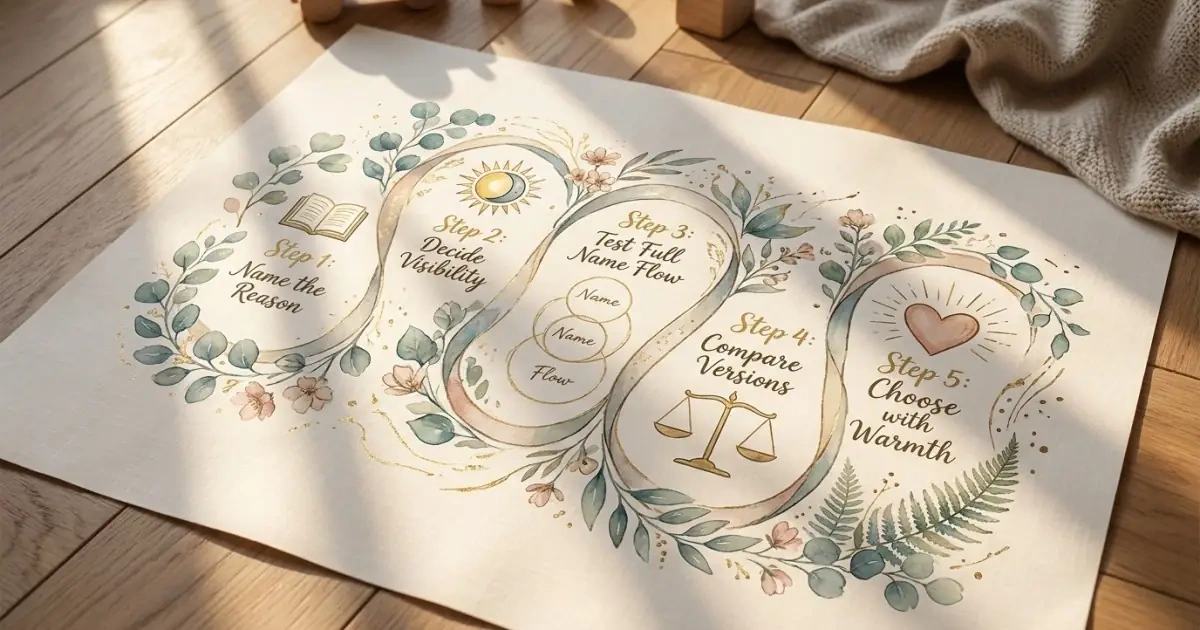
Use this framework when a family name is on the shortlist but you are unsure whether it feels right, forced, or too heavy.
The goal is to preserve the meaning while choosing the form that works best for the child.
Step 1: Name the reason for the honor
Start by naming the real reason.
It may be:
- Love.
- Grief.
- Continuity.
- Heritage.
- Surname preservation.
- Faith.
- Family balance.
- Admiration.
- Gratitude.
- Cultural belonging.
A clear reason helps you avoid vague obligation.
Step 2: Decide how visible the honor needs to be
Choose the visibility level.
Options include:
- Exact first name.
- Exact middle name.
- Variant.
- Same initial.
- Same meaning.
- Surname as middle.
- Family nickname.
- Sibling distribution.
The more visible the honor, the more practical and identity testing it needs.
Step 3: Test the name in the real full name
Check:
- First + surname.
- Full name.
- Initials.
- Nickname.
- Sibling fit.
- Documents.
- Pronunciation.
- Partner agreement.
A name that works emotionally but not practically may need a different placement.
Step 4: Compare exact, adapted, and subtle versions
Use a table to make the choices visible.
| Honor Goal | Exact Name | Adapted Form | Subtle Form | Best Fit |
| Honor Grandma Margaret | Margaret | Margo / Greta | Pearl / M initial | |
| Honor Grandpa John | John | Jack / Ian / Sean | J initial / related meaning | |
| Preserve maternal surname | Surname as middle | Shortened form | Same initial |
Sometimes the exact name wins. Sometimes the adapted form feels warmer. Sometimes the subtle form is the one the child can carry best.
Step 5: Choose the form you can explain with warmth
The best honor form can be explained without defensiveness.
A strong explanation is simple: “We chose this because it honors someone we love,” or “This middle carries a family surname,” or “This name shares the meaning of someone important to us.”
When the explanation sounds like an apology, reconsider the form.

Common Questions About Using Family Names
Do we have to use the exact family name to honor someone?
No. Variants, initials, meanings, surnames, nicknames, and middle placements can all be meaningful. Exact repetition is only one option.
Is it disrespectful not to use a family name?
Not necessarily. Parents can honor family in many ways, and the child’s long-term name experience matters. A name chosen from pressure is not automatically more respectful than a thoughtful alternative.
Is a family name better as a first or middle name?
Use it as a first name only when it works as daily identity. The middle position is often better when the honor matters but the name is not your style, feels too heavy, or creates too much comparison.
What if one side of the family expects a name and the other does not?
Look at the whole structure: surname, middle names, future siblings, cultural traditions, and whether both parents truly agree. The loudest expectation should not automatically win.
Can we use a family surname as a middle name?
Yes, often beautifully. Test flow, initials, spelling, pronunciation, and whether the surname feels too heavy in the full name.
What if we love the person but dislike the name?
That is common. Use a variant, initial, related meaning, surname, nickname, or another symbolic connection. Loving the person does not require using the exact name.

Where to Go Next When Family Names Are on the Shortlist
A family name works best when it carries love forward without trapping the child in expectation.
The strongest honor names feel chosen, livable, and warm. They respect the people who came before while still giving the child room to become fully themselves. Exact repetition may be right. A middle name may be wiser. A variant, initial, meaning, surname, or private honor may carry the same love with less pressure.
Let your exact concern shape your next move. If heritage anchors the choice, return to Baby Names by Origin, whereas Baby Names by Theme offers a cleaner frame for meaning-based honors, and Baby Names by Style resolves aesthetic clashes.
Finally, execute targeted refinements: navigate emotional dynamics through How to Name a Baby After a Relative Well, structure the architecture with How to Choose a Middle Name, or balance cultural expectations through How to Honor Heritage Without Forcing Tradition.
A family name should not feel like proof that you love your family enough. It should feel like a name your child can carry with ease, meaning, and room to grow.