
How to Balance Meaning, Sound, and Style in a Baby Name

Many parents do not get stuck because the list is weak.
They get stuck because the strongest names are strong in different ways.
A name may carry the exact meaning you hoped for but feel heavy in daily speech. Another may sound effortless with the surname while leaving you unsure whether it carries enough emotional weight. A third may match your style so perfectly that you keep trying to forgive its practical flaws.
That is where baby naming becomes uncomfortable. Meaning, sound, and style all matter, but they rarely line up neatly behind the same choice.
Treating one category as automatically superior usually creates regret. Meaning can feel deeper, but a name is not a framed quote. Sound can create instant attachment, but a lovely rhythm cannot hide a hollow fit. Style helps a name feel like your family, but visual appeal fades fast when the name fails in speech, spelling, or long-term use.
Balance does not mean perfect equality. Very few names deliver that.
A better goal is integration: a name with enough meaning to feel rooted, enough sound to be livable, and enough style to belong to your actual family rather than an imagined version of one.
When meaning is pulling hardest, baby names by theme can give your search more precision. When the attraction is mainly aesthetic, baby names by style helps separate names you merely admire from names you would genuinely choose. This guide sits in the harder middle ground: choosing when all three matter, and none of them should be allowed to dominate blindly.

Meaning, Sound, and Style Answer Different Naming Questions
The conflict starts because these three categories do different jobs.
Meaning gives the name its reason. Sound gives it daily usability. Style decides whether it feels visually, socially, and emotionally at home in your family.
A name such as Solomon may bring depth, age, and gravity, yet its weight may feel too formal for some households. Wren is clean, spare, and stylish, though some parents will want more symbolic depth. Rosalie offers a romantic sound and a polished style, while the question becomes whether its meaning carries enough force for the family choosing it.
That is not a failure of taste. It is the normal friction of a serious naming decision.
| Naming Layer | What It Decides | What Happens When It Leads Alone |
| Meaning | The emotional, cultural, spiritual, or symbolic reason behind the name | The name can become worthy on paper but difficult in daily use |
| Sound | How the name lives in the mouth, ear, surname, and ordinary speech | The name may feel lovely but lack personal depth |
| Style | The aesthetic signal: classic, modern, vintage, romantic, tailored, rare, soft, strong | The name can look right while creating practical or emotional gaps |
| Usability | The name’s performance across spelling, nicknames, initials, forms, and adulthood | A practical name may feel too efficient if meaning and style are ignored |
The strongest choice usually does not win every row. It holds together across enough rows that no single feature has to rescue the rest.
For a deeper look at the emotional side of meaning, Why Name Meaning Changes How a Name Feels belongs early in the process, especially when a definition has started carrying more weight than the name’s daily sound.
Meaning Gives a Name a Reason, Not a Free Pass
Meaning matters most when it strengthens an already usable name.
It can connect a child to family history, faith, culture, language, memory, or a value the parents want near the child’s life. A meaning tied to peace, grace, light, joy, courage, blessing, or wisdom can turn a pleasant name into a name that feels chosen with intention.
That depth is real. It should not be dismissed as sentimental.
Still, meaning has limits. A powerful definition cannot repair a name that one parent dislikes saying. It cannot smooth a clumsy surname pairing. It cannot erase a style mismatch that keeps making the name feel borrowed from another family.
A baby name is spoken far more often than it is explained.
That is the trap. Parents sometimes treat meaning as morally superior to sound or style because it feels nobler. But a name with a beautiful meaning and weak daily fit can become a private burden. The meaning may remain admirable while the name itself never becomes comfortable.
Meaning should deepen the choice, not carry it alone.
| Meaning Is Helping When… | Meaning Is Being Asked to Do Too Much When… |
| The name already sounds natural in your voice | You keep defending a sound you do not enjoy |
| The surname pairing feels workable | The full name becomes heavy, tangled, or awkward |
| The meaning connects to a real family value | The definition sounds impressive but feels distant |
| Both parents can use the name with warmth | One person feels obligated by symbolism |
| The name still works without a long explanation | The explanation is stronger than the name itself |
A meaningful name deserves respect. It does not deserve automatic victory.

Sound Is Daily Use, Not Decoration
Sound is often dismissed as surface-level. That is a mistake.
Your child’s name will be said in thousands of ordinary moments: half-asleep, affectionate, rushed, proud, irritated, playful, public, private. It will be called across rooms, written into appointments, spoken at school gates, repeated by relatives, and paired with the surname in situations no naming list can fully predict.
A name that sounds good only in a careful voice may not be as strong as it first seemed.
Consider Miriam and Mira. The sound family overlaps, but the experience is different. Miriam feels older, fuller, and more grounded. Mira is lighter, cleaner, and quicker. Neither answer is universally better. The voice will tell you which one belongs more naturally to your family.
The same kind of shift happens between Felix and Finley, Daphne and Delia, Jude and Jonah. A small change in consonants, syllables, or ending sound can alter the whole emotional temperature.
Sound also controls surname flow. A meaningful first name can lose its force when the full combination bunches, rhymes accidentally, or feels overbuilt.
| Sound Check | What to Notice | Why It Matters |
| Mouth feel | Does the name move easily when spoken naturally? | Daily speech should not feel like performance |
| Surname rhythm | Does the full name land cleanly? | The surname can strengthen or weaken the first name |
| Repetition | Does the name hold up after being said many times? | First attraction can fade under repeated use |
| Public use | Can the name be called clearly across a room? | Some names collapse when they leave a quiet setting |
| Emotional tone | Does the sound feel warm, crisp, strong, soft, bright, or heavy? | Sound shapes the name’s lived personality |
Parents who keep circling back to sound should move into How to Test a Baby Name Before Finalizing It, How to Match a First Name With Your Surname, and How to Say a Baby Name Out Loud and Hear Its Real Flow. Those checks bring the name out of admiration and into use.

Style Is Fit, Not Vanity
Style is the part parents often feel but struggle to justify.
A name can be meaningful and pleasant to say, yet still feel wrong. Too polished. Too rustic. Too grand. Too trendy. Too soft. Too severe. Too far from the family’s actual life.
That reaction is not shallow. Style is one of the ways parents recognize fit.
Beatrice and Blair both work as names, but they do not belong to the same aesthetic world. Callum and Cassian share a certain strength, yet Callum feels more grounded and familiar, while Cassian carries a more ornate, dramatic edge. Iris and Elodie both lean elegant, but Iris is shorter, clearer, and more botanical; Elodie moves with a softer romantic rhythm.
Style also affects sibling fit, surname balance, and the way the name reads in your wider community. A name can be objectively usable and still feel like somebody else’s family chose it.
| Style Signal | How It Can Feel | Possible Risk |
| Classic | Established, steady, familiar | Too safe or inherited without intention |
| Modern | Fresh, light, current | More exposed to trend dating |
| Vintage | Warm, textured, revived | Charming on paper but too mannered in life |
| Minimalist | Clean, direct, unfussy | Lacking emotional depth for some families |
| Romantic | Lyrical, soft, expressive | Overdecorated beside a complex surname |
| Rare | Distinctive, memorable | Rarity may be doing more work than true fit |
When style keeps deciding your reaction before you can explain it, return to baby names by style. The aim is not to box yourself into a label. It is to name the aesthetic lane your instincts already recognize.
Rank the Three Before You Compare Specific Names
A balanced name does not require meaning, sound, and style to matter equally.
They rarely do.
Before comparing names, decide which category would create the most regret if neglected. A parent who cares deeply about heritage may accept a little pronunciation friction. Another family may prioritize surname flow because their last name is difficult. Someone with a strong aesthetic instinct may never settle comfortably into a name that feels wrong stylistically, no matter how good the meaning is.
Rank the categories for this decision, not for all time.
| Priority Ranking | What It Usually Means | Name Choice Implication |
| Meaning first | Symbolism, heritage, faith, family, or memory carries the decision | Sound and style still need to be livable, not perfect |
| Sound first | Spoken ease and surname flow shape confidence | Meaning can be quieter if the name feels right in use |
| Style first | The name must visually and socially feel like your family | Meaning may support the choice without leading it |
| Usability first | Spelling, pronunciation, nicknames, and long-term function are non-negotiable | A dramatic name may lose to a steadier one |
| Shared agreement first | Partner alignment matters more than individual fantasy | Strong personal favorites must survive joint use |
Couples should do this separately before debating finalists. Many disagreements are not really about names; they are about which category deserves control.
A partner who keeps defending sound is not necessarily dismissing meaning. They may be protecting daily life. A partner who prioritizes meaning is not automatically being impractical. They may be protecting heritage, memory, or emotional continuity.
When this tension becomes a relationship problem, How to Choose a Name With Your Partner offers a more useful process than another round of name-pitching.

Use Meaning Families Instead of Forcing One Exact Form
Parents often get trapped by one exact name because they are attached to what it represents.
The cleaner move is to separate the meaning from the form.
A family drawn to light may respond differently to Lucia, Lucy, Lucian, Elena, or Helena. The symbolic field is related, but the sound and style change sharply. Lucia brings a lyrical, international flair, while Lucy feels immediately warm and familiar. For families needing more formal gravity, Lucian or the classical Helena may anchor the meaning with a stronger frame.
That flexibility can rescue the decision from false choices.
| Meaning Field | Possible Name Direction | How the Balance Can Shift |
| Light | Lucia, Lucy, Lucian, Helena | Same symbolic pull, different levels of softness and formality |
| Peace | Short, gentle names or longer heritage forms | Some versions feel calm; others feel too slight |
| Strength | Crisp names, virtue names, or names with historic weight | Force can become too hard if sound and style are ignored |
| Joy | Familiar bright names or rarer symbolic choices | Cheerfulness needs enough structure to age well |
| Wisdom | Ancient, literary, or quieter classic names | The best options often avoid sounding too severe |
Meaning-based browsing works best when it opens the field rather than tightening it too soon. How to Choose a Baby Name by Meaning and the wider baby names by theme hub can help you keep the value while finding a form that performs better in sound and style.
The exact name is not always the only honest carrier of the meaning.

Sound Can Overrule a Strong Meaning Without Making the Choice Shallow
A name can be admirable and still not be yours.
This is difficult when the meaning is excellent. Parents may feel disloyal abandoning a name tied to a value, person, or story they care about. But daily speech has its own authority.
A name that feels effortful in your mouth may not improve with commitment. A full-name rhythm that keeps snagging will probably keep snagging. A sound that feels too heavy, too sharp, too airy, or too formal deserves attention even when the meaning is beautiful.
Take Selah and Celeste. Some parents may prefer Selah’s quiet spiritual resonance and spare shape. Others may find that Celeste gives the musical movement and fuller spoken presence they wanted. The right answer depends on the voice, surname, family style, and emotional intent.
Sound is not decoration added after the real decision. It is part of the real decision.
A name with “better meaning” can lose honestly to a name with better sound when the second name is the one your family can actually say with warmth and ease for years.

Style Often Decides the Difference Between Admiration and Ownership
Some names are easy to admire from a distance.
They may be historically rich, sonically appealing, or widely praised. Still, admiration does not always become ownership. The name has to feel like it belongs in your family’s mouth, on your announcements, beside your surname, and eventually to your child.
Style is where that ownership often becomes clear.
Lydia and Lyra overlap slightly in sound but carry different images. Lydia feels more traditional and settled; Lyra brings a brighter, more celestial modernity. Harriet and Hallie pull in another direction: one sturdy and vintage, the other warmer and more casual. Tobias and Theo share roots, but Theo is lighter, more immediate, and more current in feel.
Aesthetic mismatch tends to linger. Parents can talk themselves into a meaning more easily than they can talk themselves out of a style that keeps feeling wrong.
That does not make style the most important category. It means style deserves a seat at the table.
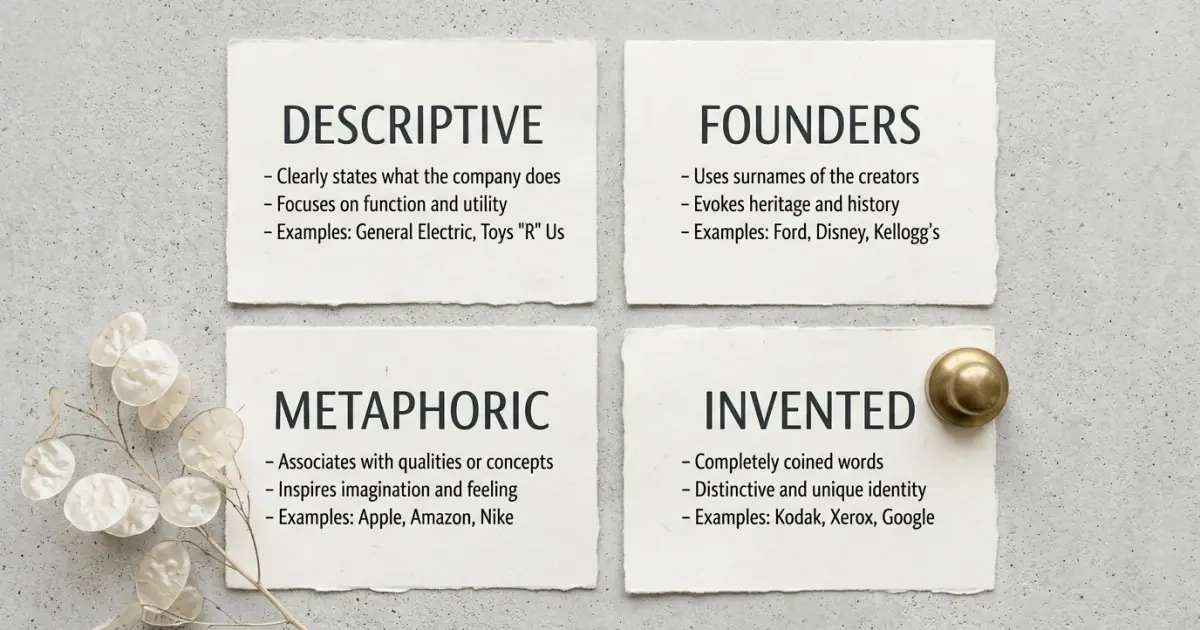
Four Trade-Off Patterns That Explain Most Naming Gridlock
Most meaning-sound-style conflicts fall into predictable patterns.
Naming feels less overwhelming once you identify the pattern instead of relitigating every name from scratch.
| Trade-Off Pattern | What It Feels Like | The Consultant Read |
| Strong meaning, weaker sound | You admire the name but do not love saying it | The meaning may belong in a related name, middle name, or variant |
| Beautiful sound, thinner meaning | The name feels good immediately but lacks emotional depth | The name may still work if the family connection grows through use |
| Perfect style, weaker usability | The name looks exactly right but creates friction | Style is leading too hard; test spelling, nicknames, surname flow, and age range |
| Good across all three, dramatic in none | The name keeps surviving but rarely dazzles | This is often the quiet winner parents overlook |
| Strong heritage, uneven ease | The name carries identity but may need correction | The burden may be worth it, provided both parents choose it knowingly |
The quiet contender deserves special respect. Many parents overlook names that perform well across all categories because those names do not create the strongest first rush.
Real life rewards coherence more than drama.
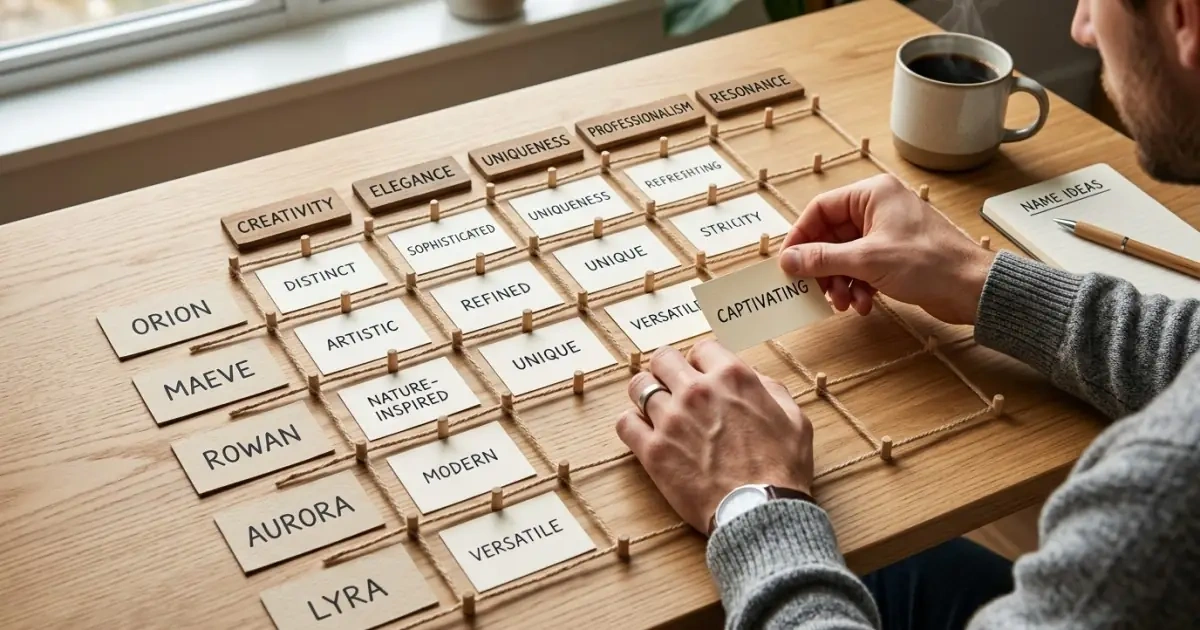
Compare the Whole Name, Not Its Best Feature
“Which name do I love most?” sounds honest but often hides the real issue.
Love may be split across categories. You may love one name’s meaning, another’s sound, and a third name’s style. Comparing them by emotional intensity alone lets the loudest feature dominate the entire decision.
Use a simple grid instead.
| Name | Meaning | Sound | Style | Usability | Overall Pattern |
| Name A | Strong symbolic value | Slightly heavy with surname | Fits family taste well | Nickname risk needs checking | Meaning-led contender |
| Name B | Quieter meaning | Excellent spoken flow | Less distinctive than ideal | Very easy daily use | Sound-led contender |
| Name C | Meaning is acceptable | Good but not exceptional | Best aesthetic fit | Pronunciation may create friction | Style-led contender |
| Name D | Moderate meaning | Good sound | Natural family fit | Few practical concerns | Integrated contender |
This kind of comparison does not make the decision mechanical. It prevents one attractive quality from blinding you to the rest.
The goal is not to locate the name that wins every column. The goal is to see whether the weaker column is acceptable or fatal.
When the grid still feels crowded, How to Build a Baby Name Shortlist can help you remove names that are admired but not truly usable. For broader standards, What Makes a Good Baby Name? sharpens the difference between a name that is attractive and a name that is built well.

Real-Life Testing Keeps the Balance Honest
Even a good comparison grid can flatter a name.
Real use is harder to fool.
Say the full name aloud with the surname. Check likely nicknames. Write the name on a mock form. Imagine it on a child, teenager, and adult. Use it casually for a few days. Let the name move through life instead of letting it stay in your head.
| Real-Life Test | What It Exposes | Category Under Pressure |
| Full-name test | Surname rhythm, weight, and awkward sound collisions | Sound and usability |
| Nickname test | Short forms you may love, tolerate, or dislike | Style and daily control |
| Paperwork test | Spelling, initials, visual clarity, and formality | Usability |
| Adulthood test | Whether the name can grow beyond babyhood | Style and long-term fit |
| Repetition test | Whether the name deepens or fades after several days | Emotional durability |
| Partner voice test | Whether both parents can say the name naturally | Shared ownership |
This is where inflated names shrink and quieter names gain authority.
A meaningful name may become stronger once spoken with the surname. A stylish name may start feeling thin after daily use. A name that looked plain in the shortlist can become the most stable option because it keeps working without needing a defense.
When your finalists are already close, How to Test a Baby Name Before Finalizing It should come before any final commitment.

When Meaning Wins Emotionally but Sound Resists
This dilemma is common because meaning creates loyalty.
Before protecting the name at all costs, test the attachment. Is the meaning central to your family story, or is it simply beautiful in the abstract? A name connected to a beloved relative, heritage line, spiritual value, or hard-won season of life carries a different weight from a name whose definition merely sounds impressive.
Then test the sound without mercy.
A name that cannot settle in your voice may not become easier just because the story matters. The meaning could move into the middle slot. A related name might preserve the emotional field with better rhythm. A variant may carry enough of the original while solving the daily-use problem.
| When Meaning Leads | Possible Adjustment | Why It Can Work |
| The exact name feels heavy | Use it as a middle name | Keeps the honor without daily burden |
| The sound clashes with the surname | Find a related form | Preserves the meaning field with cleaner flow |
| The heritage spelling creates too much friction | Test authentic variants or accepted adaptations | Reduces correction without abandoning identity |
| One parent loves the story but not the name | Carry the value through another name | Honors the emotion rather than forcing the form |
A meaningful name should feel carried, not endured.

When Sound or Style Wins First and Meaning Feels Thin
Not every strong name needs a dramatic backstory.
Parents sometimes panic when the name they love most has a quieter meaning than expected. They start digging for symbolism, stretching associations, or building a story the name cannot naturally support.
That usually weakens the choice.
A name can be valid because it sounds right, fits your surname, belongs to your family style, and feels livable across a full life. Meaning does not have to perform like a speech at the naming ceremony.
Still, emptiness is different from simplicity. When a name feels thin, do not ignore that discomfort. Add depth honestly rather than theatrically.
| Thinness You Feel | Clean Way to Add Depth | Forced Move to Avoid |
| The first name has a quiet meaning | Use a meaningful middle name | Inventing symbolism that does not truly matter |
| The name is mainly style-led | Test whether family use gives it warmth | Choosing it only because it photographs well |
| The sound is beautiful but detached | Pair it with a surname or middle that adds grounding | Pretending sound alone solves every concern |
| The name feels current but shallow | Check long-term fit and popularity context | Calling trend appeal “timeless” without evidence |
A stylish name is allowed to be chosen for style. Just make sure style is not hiding a lack of substance you will feel later.

Popularity Can Change the Balance More Than Parents Expect
Popularity affects meaning, sound, and style because it changes the social frame around the name.
A name that once felt distinctive can feel less personal after you hear it everywhere. A name with rich meaning may begin to read as trend-led because the wider culture is using it heavily. A rare name can feel special partly because it is unfamiliar, not because it is better built.
Popularity should not control the decision. It should inform it.
Some parents are entirely comfortable with a popular name that wins on sound, style, and family fit. Others find that commonness weakens the emotional uniqueness they wanted from the choice. A rare name may be right when it is clear, usable, and connected to real values. Rarity becomes fragile when it is doing all the work.
| Popularity Situation | How It Distorts the Balance | What to Check |
| Rising fast | Style may feel fresher than it will later | Trend timing and long-term comfort |
| Broad classic | Familiarity may be mistaken for dullness | Whether the name still has warmth in your family |
| Rare but simple | Distinction feels easy | Whether the name has depth beyond being uncommon |
| Rare and difficult | Rarity may hide practical friction | Pronunciation, spelling, and correction burden |
| Popular with strong meaning | The meaning remains real, but social saturation changes the feel | Whether duplication bothers you |
This is where baby names by popularity gives useful context. Parents who feel popularity distorting their judgment should also read How to Avoid Choosing a Name That Dates Too Fast, How to Choose a Baby Name by Popularity, and Popular vs Rare Baby Names: How to Decide. The point is not to chase rarity. The point is to understand the social weight your chosen name will carry.

Mistakes That Let One Strong Feature Distort the Whole Choice
The hardest naming mistakes often look respectable at first.
One parent clings to a deep meaning, another falls for an instantly pleasing sound, and a third chases a specific family aesthetic. Any of these starting points can work — until one feature begins silencing the rest of the name.
Any of those choices can work. Trouble starts when the winning feature is allowed to silence everything else.
| Mistake | How It Shows Up | Cleaner Decision Rule |
| Treating meaning as morally superior | A difficult name stays because its definition is beautiful | Meaning should deepen a usable name, not excuse a weak one |
| Trusting first-impression sound too much | A name feels magical before it meets surname, nicknames, or repetition | Let sound prove itself under daily use |
| Choosing style as identity performance | The name looks impressive but feels wrong in ordinary speech | Style should fit your family, not your fantasy audience |
| Expecting perfection across all categories | Every contender fails eventually | Decide which weakness is livable |
| Overexplaining the favorite | The defense becomes more compelling than the name | A strong name should not need a paragraph every time |
| Staying abstract too long | The name is discussed endlessly but never tested | Say it, write it, shorten it, and live with it briefly |
A name does not need to win dramatically. It needs to hold.
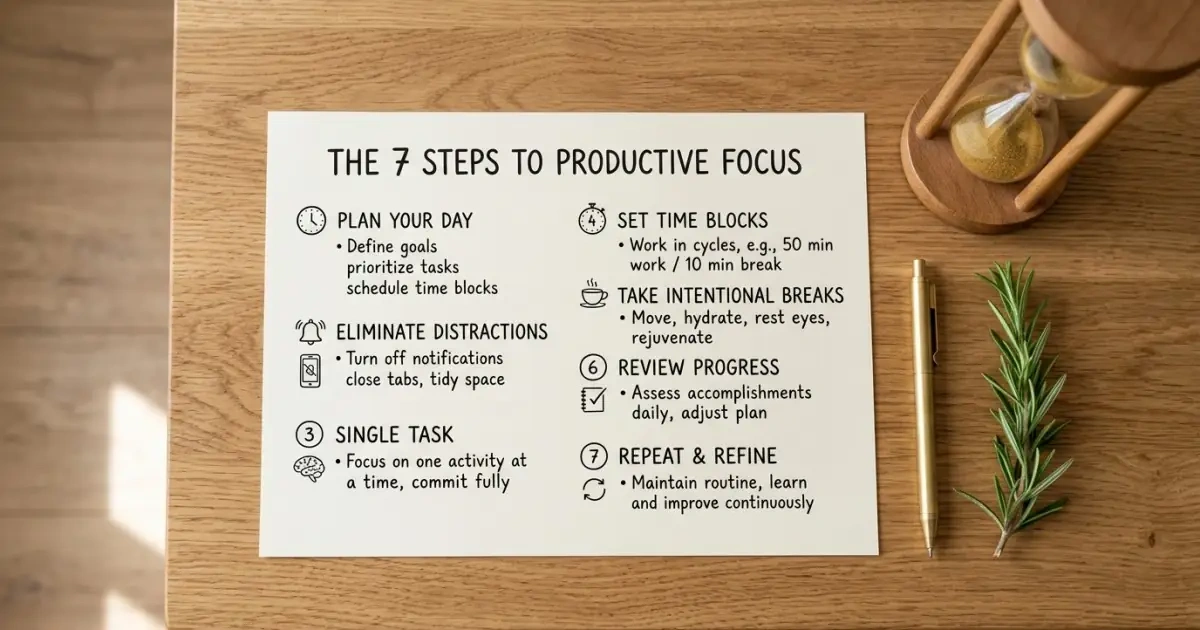
A One-Sitting Framework for Balancing Meaning, Sound, and Style
A focused session can cut through weeks of vague debate.
Give yourself one quiet sitting. Compare no more than three or four serious names. The goal is not to crown a perfect winner; it is to reveal which name feels most integrated.
| Step | What to Do | What You Should Learn |
| 1. Write the personal meaning | Note what the name means to you, beyond the dictionary | Whether the meaning is real or merely attractive |
| 2. Say the full name aloud | Use first, middle if known, and surname in normal speech | Whether sound and surname flow support the choice |
| 3. Define the style in plain language | Classic, modern, romantic, tailored, gentle, rare, grounded, bright | Whether the name feels like your family |
| 4. Score the four columns | Meaning, sound, style, and usability | Which category is carrying the name |
| 5. Identify the weak point | Name the flaw without minimizing it | Whether the weakness is acceptable or fatal |
| 6. Compare nearby alternatives | Look within the same meaning, sound, or style lane | Whether a related name balances better |
| 7. Remove explanation-heavy names | Cut contenders that need too much defending | Whether confidence remains after the argument stops |
This framework works because it respects instinct without letting instinct stay vague.
A name that survives the session with only manageable flaws deserves more attention. A name that needs constant rescue may be better loved from a distance.

Signs the Balance Is Strong Enough
You do not need a perfect score.
You need a name that can be explained without overexplaining. A name that sounds good in ordinary speech. A style that feels like your family on a normal day, not only in a mood board. A meaning that adds depth without being forced to justify everything.
The signs are usually concrete.
| Sign of Strong Balance | What It Means |
| The meaning still matters after practical testing | The emotional reason is durable |
| The name feels good with the surname | Sound and usability are cooperating |
| The style feels natural rather than performative | The name belongs to your real family life |
| Nicknames and spelling do not create hidden resentment | Daily use has been considered honestly |
| The name improves with repetition | The choice is moving from attraction to trust |
| You can name the trade-off calmly | Weaknesses are understood rather than ignored |
Good balance often feels quieter than expected. It does not always arrive as a rush. More often, it feels like the name no longer needs to fight for its place.
When the name already feels close and your remaining doubt is emotional rather than practical, How to Know When a Name Feels Right can help you distinguish normal vulnerability from a real warning.

Questions Parents Ask About Meaning, Sound, and Style
Should meaning matter more than sound in a baby name?
Only when meaning genuinely matters more in your family’s decision. A name with deep symbolism still has to be spoken, written, shortened, and carried through daily life. Meaning deserves weight, not automatic control.
What should I do when I love a name’s meaning but not the sound?
Treat the meaning as the clue, not the command. Look for variants, related names, middle-name placement, or names from the same symbolic field. The exact form may not be the best carrier.
Can style be a valid reason to reject a meaningful name?
Yes. Style is part of fit. A name that feels unlike your family may keep feeling wrong no matter how admirable the meaning is.
Is it shallow to choose a name mostly because it sounds right?
No. Sound is daily use. The name will live in your voice for years, so spoken ease is not superficial. The choice becomes stronger when sound is supported by acceptable meaning and style.
What matters most in the long run?
The long run usually favors integration. A name that is solid across meaning, sound, style, and usability often ages better than a name that is brilliant in one category and weak in the rest.

Where to Go Next When One Part of the Balance Still Feels Off
Let the unstable category choose the next step.
Meaning problems belong with baby names by theme and meaning-led guides. Sound and surname doubts should move toward How to Match a First Name With Your Surname or How to Test a Baby Name Before Finalizing It. Style uncertainty needs more time inside baby names by style, not another random list.
Popularity concerns should be checked through baby names by popularity before they quietly distort the whole decision. Parents who want a wider editorial path can use Expert Baby Naming Guides for Choosing the Right Name to move from broad uncertainty into the exact guide that matches the remaining problem.
Most parents do not need a name that dominates every category.
They need a name where meaning, sound, style, and daily use stop pulling against one another. The best choice may not be the grandest, prettiest, rarest, or most symbolic name on the list. It is the one whose parts cooperate well enough that the whole name feels true.
That is balance: not flattened instinct, but instinct made usable.