
Underused Classic Baby Names: How to Spot Them

Underused classic baby names sit in a rare and tempting space. They have history without the crowding of the most familiar classics. They sound like real names, not inventions. They can feel distinctive without asking a child to explain the choice every time someone hears it.
That is why names like Beatrice, Philip, Louisa, and Walter catch parents at a very particular moment: when common classics feel too expected, but truly rare names feel too fragile.
The danger is confusing “underused” with “ready.”
Some overlooked classics are waiting for the right family, surname, nickname, and modern context. Others still feel dusty, stern, awkward, or too tightly attached to an older generation. A name can have excellent roots and still not feel easy to wear now.
This guide lives inside the Names by Style layer because underused classics are, first, a style decision. They also need popularity context, so Names by Popularity becomes part of the testing process once a name moves from admiration into serious consideration.
The goal is not to find the rarest classic. It is to spot the name with enough history, sound, warmth, nickname flexibility, surname fit, and daily usability to belong to a new child now.
Parents already debating familiar versus uncommon choices should start with Popular vs Rare Baby Names: How to Decide before treating rarity as the main prize.

Why Underused Classic Baby Names Feel So Promising
Many parents want the reassurance of a classic name without the predictability of the most popular classics. They like established spellings, adult usability, and names that sound grounded rather than experimental. They also want a little air around the choice.
Underused classics offer that middle path.
They are not usually strange. They rarely feel invented. Instead, they often sound quietly known. Someone hears the name and recognizes it, even if they have not met a baby with it recently.
That recognition is powerful. It gives the name social ease.
Beatrice feels literary, elegant, and revived without becoming everywhere. Philip is familiar but less expected than many current boy classics. Louisa has traditional warmth and a lyrical shape. Walter is sturdy and old-school, though it needs honest style testing before it becomes a final choice.
The strongest names in this lane feel rooted but not stuck. They carry enough history to avoid trend-chasing and enough life to avoid sounding stored away. That balance is delicate, and it cannot be judged from a list alone.
A name has to work on a school form, in a family text thread, across a playground, beside the surname, with siblings, and eventually in adult introductions. If it only works in a vintage name collection, it is not ready yet.

What Counts as an Underused Classic Name?
An underused classic is not just an old name with low usage. It needs classic structure and practical wearability.
A strong candidate usually has several of these traits:
- Long history of real use.
- Recognizable spelling.
- Adult-ready sound.
- Cross-generational wearability.
- Enough familiarity to avoid feeling invented.
- Lower current usage than the most common classics.
- Potential for revival or rediscovery.
- Practical pronunciation and spelling.
The name has to pass two tests at once: it should feel established, and it should feel usable now.
Esther has biblical depth and a clear structure. Edmund feels classic, literary, and less common than Edward. Frances has long use and nickname range. Celia is classic, soft, and less expected than Cecilia.
Those names are not interchangeable. Esther feels serious and biblical. Edmund has an old-world literary weight. Frances can read tailored, gentle, or vintage depending on nickname. Celia is lighter and more lyrical.
An overlooked classic is not automatically better than a popular classic. Charlotte, Henry, and Elizabeth may be common for excellent reasons: flexibility, warmth, pronunciation ease, and broad familiarity. Less-used classics offer a different advantage. They give parents history with more space around it.
When the question becomes timelessness rather than rarity, What Makes a Name Feel Timeless? is the right next filter.
The best overlooked classics are not frozen in the past. They still have enough sound, warmth, and clarity to move forward.

Underused, Vintage, Rare, and Dated Are Different Problems
Parents often group underused, vintage, rare, and dated names together. That blur creates bad decisions. Each category has a different risk.
An underused classic has history, recognizable spelling, and real-name familiarity. It is not everywhere among current babies, but it still works as a first name.
A vintage name carries a stronger association with an earlier generation. Some vintage names feel charmingly revived; others have not yet escaped the era that made them feel old.
A rare name has low usage. It may be classic, but it may also be modern, invented, culturally specific, or unfamiliar. Rarity alone proves almost nothing.
A dated name is tied to a recent generation strongly enough that it does not feel ready for revival. People still hear the aunt, teacher, neighbor, or decade before they hear a new child.
Dorothy may feel like a lively vintage revival to one family and still too dated to another. Agnes can sound saintly, severe, chic, or antique depending on region and taste. Hugh is rare but classically structured. Matilda has more active revival energy than many quieter underused classics.
A practical distinction helps: does the name feel quietly classic, charmingly revived, truly rare, or not quite ready?
The answer may change by country, city, family, and social circle. A name that feels fresh in one community can sound old-fashioned in another. That is why a smart naming decision cannot rely on national lists alone.
For revival style, How to Choose Vintage Baby Names That Still Feel Fresh gives the name a sharper test. When the appeal is genuine uncommonness, How to Choose Rare Baby Names That Still Work in Daily Life is the better framework.
Oldness is not the asset. Life is.

A Practical Framework for Spotting Underused Classics Worth Considering
When an overlooked classic catches your attention, slow the admiration down. Names in this category often look excellent on paper. Daily use is where the weak ones start to crack.
History
The name should have real roots. It may appear in family records, literature, religious tradition, royal use, cultural history, or long-standing naming records. It does not have to be famous, but it should feel established rather than random.
Recognition
A name can be uncommon and still recognizable. That is the sweet spot. People may not hear it often, but they should understand that it is a name.
Freshness
Say the name in modern contexts. A promising underused classic sounds charming, grounded, or quietly stylish. A weaker one still feels like it belongs mainly to a history book.
Sound
Some older names line up beautifully with current ears. Others remain heavy, clipped, or severe. Sound is often the first sign that a name is not ready.
Nicknames
Many underused classics become wearable because their nicknames open a warmer daily path. A serious full name can work when the short form feels natural.
Usage Comfort
Distinctive should not mean burdensome. An underused classic needs enough familiarity to avoid constant explanation.
Personal Connection
Rarity alone is too thin. Family meaning, origin, literary affection, spiritual weight, or sound can make the choice worth carrying.
You can score serious names from 1 to 3 across:
- History.
- Freshness.
- Spelling ease.
- Pronunciation ease.
- Surname flow.
- Nickname comfort.
- Adult usability.
- Childhood warmth.
- Popularity comfort.
- Sibling fit.
This is not a spreadsheet exercise. It is a pressure test. A name with excellent history but weak freshness, poor nickname comfort, and awkward surname flow may belong to your admiration list, not your child’s daily life.
When rarity starts to outrank usability, return to How to Choose Rare Baby Names That Still Work in Daily Life. For broader comparison across naming directions, How to Balance Meaning, Sound, and Style in a Baby Name can keep an underused classic from winning only because it feels interesting.

Popularity Clues That Reveal a True Underused Classic
Underused does not mean unknown. In fact, the best names in this category usually have steady recognition.
A true underused classic may be familiar to older generations, present in books or family trees, and easy to spell, yet not common among current babies in your circle. That is different from a name that has vanished completely. A vanished name may still be appealing, but it needs stronger testing.
Look for these clues:
- The name is familiar but not everywhere.
- Older relatives recognize it without treating it as invented.
- Spelling and pronunciation are clear.
- It appears in history, literature, religion, or family records.
- It works in both a birth announcement and an adult introduction.
- It may be rising quietly without exploding.
Arthur may feel revived or already mainstream depending on where you live. Florence can feel stylishly revived in some places and still underused in others. Conrad is classic but uncommon. Irene is recognizable but still feels quietly used in many circles.
A quiet rise can be a good sign. Modern ears may be becoming ready for the name again. The harder question is whether you would still love it if the revival became more visible.
A name chosen only because it feels hidden is vulnerable. Scarcity fades the moment other parents notice the same charm.
Popularity concerns belong in Names by Popularity. Parents watching a revival nervously should also use How to Tell If a Name Feels Too Trendy before cutting a name too quickly.
Sound Is the Fastest Way to Tell Fresh From Dusty
Sound often reveals what a name list hides.
Some overlooked classics feel fresh because their rhythm fits current taste. They may have open vowels, warm endings, clean consonants, compact forms, or nickname routes that make them easy to imagine now. Others still feel dusty because the sound pattern has not returned.
Louisa feels lyrical and classic. Sylvia has softness, nature-adjacent feeling, and literary warmth. Alfred may feel serious in full, while Alfie, Fred, or Freddie changes the temperature. Leonard can feel heavy unless Leo, Lenny, or Len suits the family.
Listen for:
- Heavy consonant clusters.
- Endings that feel harsh or abrupt.
- Rhythm that sounds too formal for your household.
- Nickname forms that soften the name naturally.
- Vowel sounds that make the name feel more current.
- Surname combinations that refresh or age the first name.
Put the name in four settings:
- Baby announcement.
- School roll call.
- Adult introduction.
- Casual family sentence.
A name that only works in historical mode needs more warmth. That warmth might come from a nickname, surname, middle name, or family connection. When every ordinary sentence makes the name sound stiff, it may be admired more than loved.
For sound testing, How to Use Syllable Flow to Choose a Better Name and How to Say a Baby Name Out Loud and Hear Its Real Flow are useful before a name reaches the final list.
An underused classic should not only look good in a vintage column. It should sound alive when spoken.
Nicknames Can Make an Underused Classic Wearable
Nicknames often help overlooked classics cross back into daily life.
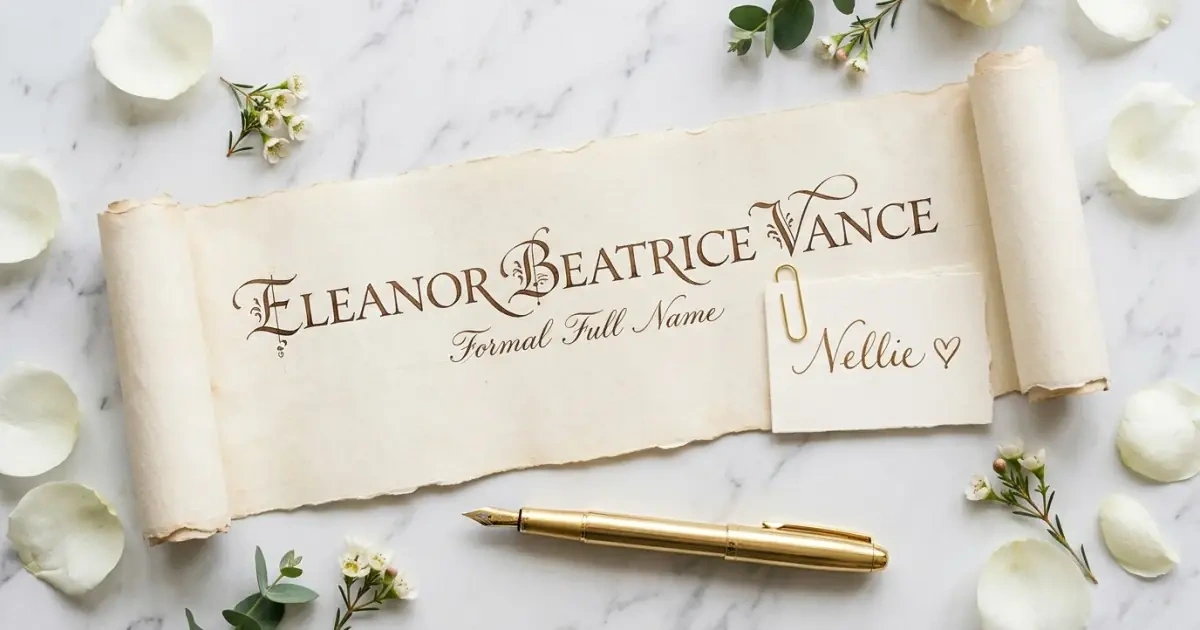
A serious full name can feel warmer when it has a friendly everyday form. A vintage choice can lose its dust through a nickname that sounds current. A formal classic may give a child range: full name for adulthood, nickname for childhood, and a softer family form at home.
Frederick can become Freddie, Fred, or Fritz. Dorothy opens into Dot, Dottie, Dolly, or Thea. Harriet can become Hattie, Harry, or Etta. Alfred can move toward Alfie, Fred, or Freddie. Frances may become Frankie or Franny, depending on regional taste and family comfort. Leonard gives Leo, Lenny, or Len.
Before choosing, test the nickname architecture:
- Do we like the full name?
- Do we like at least one obvious nickname?
- Are there nicknames we strongly dislike?
- Would we be upset if other people shortened it?
- Does the nickname make the name more wearable, or is it the only usable part?
That last question is the hard one. Do not choose a dusty full name only to reach a cute nickname. The full name will still appear on documents, introductions, applications, and family stories.
When nickname possibilities carry real weight in the decision, How to Check Nickname Potential Before You Choose can prevent a choice that works only in one form.
A nickname can make an underused classic feel current. It should not have to rescue it completely.
Surname Fit Can Make an Overlooked Classic Elegant or Awkward
Surname fit can change an overlooked classic completely.
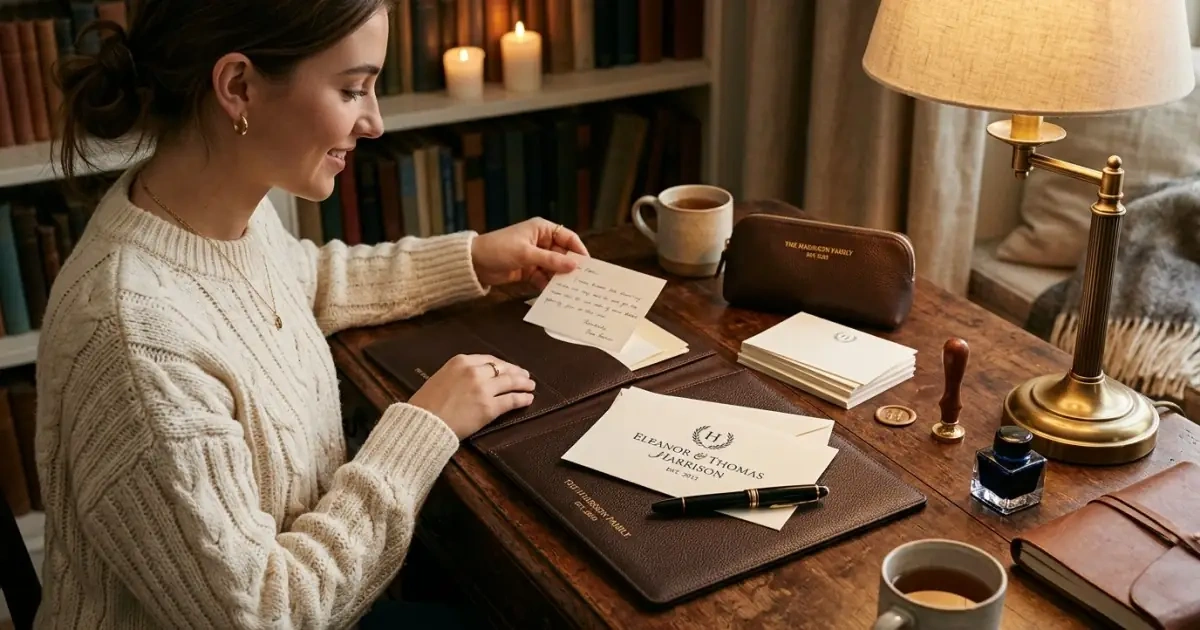
Older names often carry more stylistic weight than modern or minimalist choices. With the right surname, they feel elegant, literary, or grounded. With the wrong rhythm, they become heavy, overly antique, or accidentally comic.
A long overlooked classic may need a shorter surname or simpler middle. A compact classic can pair well with a longer surname. A surname with an old-fashioned sound may push the full combination too far into the past. A modern surname can refresh a traditional first name.
Edmund may need warmth through the middle name or nickname. Beatrice can feel elegant with a clean surname. Hugh needs rhythm testing because it is so compact. Florence can sound graceful or overly place-like depending on the surname.
Test the full combination:
- First + surname.
- First + middle + surname.
- Nickname + surname.
- Initials.
- Adult introduction.
- Casual family use.
The full name should feel stylishly revived, not unintentionally old-fashioned. Listen for whether the surname adds freshness, increases heaviness, or makes the name feel less natural than it looked alone.
For full-name testing, use How to Match a First Name With Your Surname and How to Build a First-Middle-Surname Combination That Flows.
A strong underused classic has to work as part of the whole name, not only as a beautiful isolated word.

Underused Classic Girl Names Need Freshness, Not Just Charm
Underused classic girl names often appeal because they feel literary, elegant, vintage, or quietly strong. They can offer history without sounding as expected as the most familiar classics.
Charm alone is not enough.
A name may look wonderful in a novel or on an old family tree and still feel too dusty in daily use. The strongest choices have enough freshness in sound, nickname, rhythm, or current-adjacent style to feel wearable now.
Beatrice is elegant, revived, and nickname-flexible. Celia is soft, classic, and less expected. Claudia feels substantial without being ornate. Edith has vintage-classic character, with Edie as a softener. Esther is biblical and serious but clear. Florence can feel revived and elegant in the right context. Harriet is sturdy, literary, and nickname-rich. Sylvia feels soft, classic, and underused.
When testing an overlooked classic girl name, ask:
- Does it feel lived-in, not museum-like?
- Does it have a nickname we like?
- Does the sound feel fresh enough for today?
- Does the surname make it graceful or heavy?
- Does it leave room for different personalities?
Do not assume older girl names are automatically more refined than modern or simple names. Seriousness can become stiffness. Literary charm can become affectation. The name has to feel usable outside the atmosphere that made you notice it.
Parents drawn to refinement should compare the choice through What Makes a Name Feel Elegant?. For warmth and softness, How to Choose Soft and Gentle Baby Names That Still Carry Well offers a useful counterweight.
The best overlooked classic girl names feel ready to be worn, not only admired.

Underused Classic Boy Names Need Warmth as Much as Strength
Underused classic boy names often feel serious, grounded, and adult-ready. That can be appealing when current favorites feel too trendy, too light, or too casual.
Seriousness is not the same as strength.
Alfred has a weighty full form with warm nickname possibilities. Conrad feels compact, strong, and uncommon. Edmund is classic and literary, less common than Edward. Frederick is grand and nickname-rich. Hugh is compact, classic, and rare. Leonard becomes far more approachable through Leo or Lenny. Walter feels sturdy and old-school, but the family style has to support it.
When testing an overlooked classic boy name, ask:
- Does it feel warm enough for childhood?
- Does it sound stern with the surname?
- Do we like the likely nickname?
- Does the full name feel adult-ready without becoming stiff?
- Does it feel strong because it is grounded, or only because it sounds serious?
A classic boy name carries best when it has warmth, not only weight. Parents comparing these choices with bolder options should read How to Choose Strong Baby Names Without Sounding Heavy-Handed. When the name starts to feel too formal, How to Choose Grand Classic Baby Names Without Feeling Overformal gives a closer framework.
The right underused classic boy name sounds grounded in full and human in daily use.

Meaning, Origin, and Literary History Can Make an Overlooked Classic More Compelling
Many underused classics carry strong roots in literature, religion, saints, history, royalty, or cultural tradition. Those layers can make a name feel less random and more personal.
They can also become too heavy.
Arthur has literary and legendary resonance. Esther carries biblical depth. Harriet may feel literary, historical, or quietly strong. Agnes has saintly and traditional associations. Irene carries peace-related meaning.
These associations can strengthen a name, but they should not turn the choice into a lecture. A child does not need to perform every historical layer attached to a name.
When meaning starts to lead the whole decision, How to Choose a Baby Name by Meaning can keep symbolism in balance with sound and usability. Roots, language background, biblical use, and cultural history belong in Names by Origin, while meaning-led searches can move through Names by Theme without reducing the name to a virtue label.
History should make the name richer, not heavier. The best origin story gives depth quietly and still lets the name function naturally in daily life.

Sibling Fit Helps Decide Whether an Underused Classic Feels Natural
An underused classic can be excellent alone and slightly wrong beside sibling names.
That does not mean every sibling needs a classic name. A quiet classic can pair beautifully with a popular classic, vintage revival, soft traditional name, or even a modern name when the set shares warmth, structure, or level of seriousness.
The issue is whether the new name feels intentional in the family set.
Possible sibling directions include:
- Quietly classic: Beatrice, Philip, Louisa.
- Vintage revival: Edith, Walter, Florence.
- Literary classic: Arthur, Harriet, Edmund.
- Soft classic: Celia, Sylvia, Irene.
- Serious classic: Conrad, Frederick, Esther.
Now listen to the set:
- Does one name feel much older than the others?
- Does the new name make sibling names feel too modern or too plain?
- Do nickname styles fit together?
- Does the set feel warm or staged?
- Does each child still have a distinct sound?
A sibling set should feel equally considered, not equally old. How to Choose Sibling Names That Fit Without Matching Too Hard can help build harmony without turning the family into a theme.
The name needs to belong to the family without losing its own shape.

Mistakes That Make Underused Classics Feel Dusty or Difficult
Underused classics become risky when parents confuse age with timelessness or scarcity with quality. A low-use classic still has to prove itself.
- Choosing oldness instead of classic quality: Old does not automatically mean timeless. A strong overlooked classic still needs sound appeal, recognizable structure, and daily usability.
- Ignoring current sound appeal: Some names have history but still feel hard to revive. Say the name in modern contexts before trusting the roots.
- Choosing a nickname you love but a full name you do not: The full name still has to work. When only the nickname feels usable, the official name may become a burden.
- Overvaluing rarity: A name is not better because fewer people use it. Distinctiveness should support the choice, not become the whole reason.
- Ignoring surname rhythm: Some overlooked classics become heavy, awkward, or overly antique with the wrong surname. Full-name flow is not optional in this category.
- Assuming literary or historical roots solve everything: Meaning and history help, but daily usability matters just as much. A name can have wonderful associations and still feel too stiff.
- Ignoring family associations that actually matter: Some older classics carry strong generational associations in certain families or regions. Take that seriously when the association keeps interrupting your affection for the name.
- Mistaking “not popular” for “ready to revive”: Some names are underused for practical reasons. Pronunciation, sound, nickname options, and full-name rhythm will reveal whether low usage is an asset or a warning.
Practical Tests Before Choosing an Underused Classic Name
Before committing to an underused classic, test it in ordinary life. These names often shine in thoughtful discussion and weaken in casual speech.
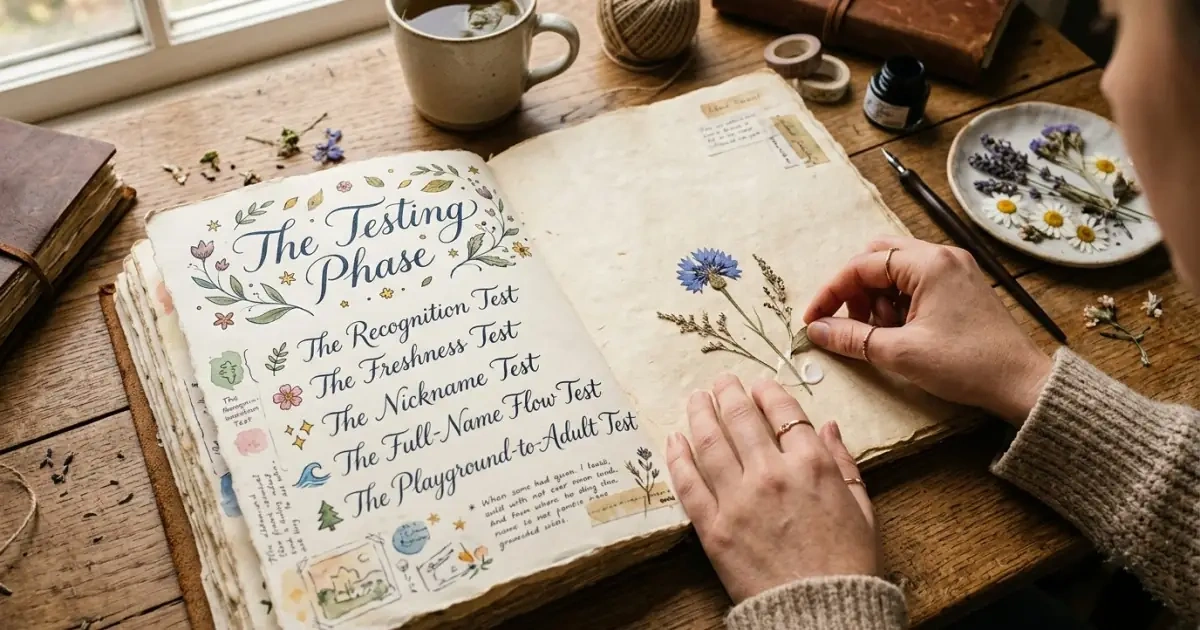
The Recognition Test
Will most people recognize it as a real name, even if they do not hear it often?
The Freshness Test
Say the name beside current favorites. It should feel charmingly revived or quietly classic, not trapped in an older generation.
The Nickname Test
List likely nicknames and decide whether they make the name more wearable or change the style too much.
The Full-Name Flow Test
Say first + middle + surname. The full name should feel balanced, not antique by accident.
The Playground-to-Adult Test
Imagine the name on a toddler, teenager, and adult. A name that only works in one life stage is not ready.
The Two-Week Listening Test
Use the full name and likely nickname casually for two weeks. Notice whether the name grows warmer or starts to feel forced.
The Family Association Test
Ask whether the name carries a strong older-person association in your family or region that you cannot move past.
When the name is close but still not settled, How to Test a Baby Name Before Finalizing It gives the last stage more structure.
A Shortlist Method for Finding Underused Classic Baby Names
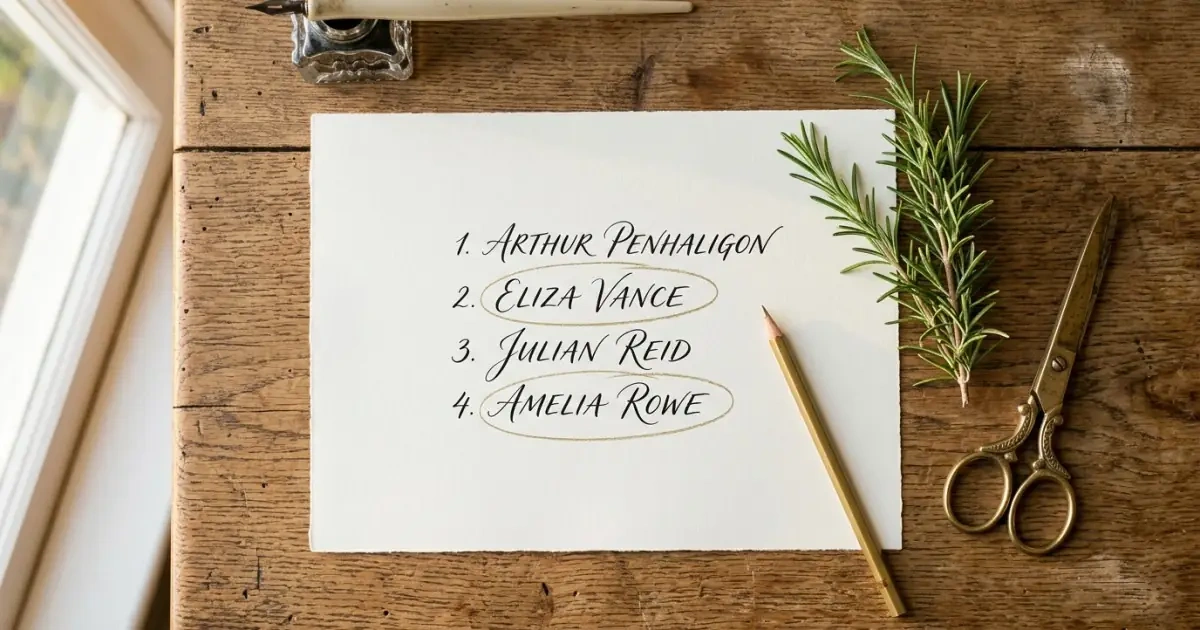
Start with classic roots, not rarity. The best candidates usually come from places where names have already been worn, remembered, and tested across time.
Good sources include:
- Family trees.
- Literature.
- Older family records.
- Historical names.
- Biblical or saintly names.
- Names just outside current popularity lists.
- Names related to popular classics but less used.
Then remove names that feel old but not usable.
Keep names with at least two revival signals:
- Recognizable spelling.
- Friendly nickname.
- Appealing sound.
- Meaningful origin.
- Surname flow.
- Sibling fit.
- Current-adjacent style.
- Adult usability.
Compare finalists through daily use, not rarity.
A practical shortlist might divide this way:
- Soft underused classics: Celia, Sylvia, Louisa, Irene.
- Revived vintage classics: Beatrice, Florence, Edith, Dorothy.
- Serious boy classics: Conrad, Edmund, Alfred, Walter.
- Literary or historical classics: Arthur, Harriet, Esther, Frederick.
The best underused classic is not the rarest one. It is the one that feels ready to live again.
When two names remain, How to Decide Between Two Baby Names can help compare them in real-life terms rather than letting the debate circle around taste.

Common Questions About Underused Classic Baby Names
What makes a classic baby name underused?
It usually has history, recognizable spelling, and real-name familiarity, but lower current usage than the most common classics.
How do I know if an old name is ready to come back?
Check sound, nickname options, surname fit, and ordinary use. A name that feels charming in daily speech is much stronger than one that only feels interesting historically.
Are underused classic names better than popular classics?
Not automatically. They offer distinctiveness, but popular classics often work well because they are flexible, familiar, and easy to live with.
Can underused classics sound too old-fashioned?
Yes. Some need more time before they feel fresh again. Ordinary sentences reveal that faster than name lists.
Should I worry if family members think the name sounds old?
Listen for reactions that reveal practical issues. Older generations often hear names through people they knew, while a new generation may hear the name differently.

Where Underused Classic Naming Should Lead Your Search Next
Let your exact hesitation dictate the final move. When the struggle leans toward defining the style soft classic, literary classic, serious classic, revived vintage, or quietly familiar the structural frameworks in Names by Style will serve you far better than another loose collection of “forgotten gems.” Choices driven by history, literature, language background, biblical use, family records, or cultural memory need the essential context of Names by Origin, especially when a name carries more than one inherited layer.
Visibility creates a quieter kind of doubt. A name may be genuinely underused, or it may be rising just outside your local awareness. Before you commit, let Names by Popularity clarify whether the choice has true breathing room or is already moving faster than it feels. For the wider naming path, Expert Baby Naming Guides for Choosing the Right Name can keep the decision from collapsing back into another endless list. An underused classic baby name should not feel pulled from storage. It should feel like a name with history, clarity, and enough life to belong to a new child.