
How to Evaluate Pronunciation Ease Before Choosing a Baby Name

A baby name can look beautiful on a list and become uncertain the moment someone has to say it aloud.
The spelling may feel elegant. The meaning may be exactly right. The name may connect to heritage, family, faith, or a place that matters. Then someone sees it for the first time and pauses. They guess. They hesitate. They say something close, but not quite right.
That small pause can make parents question a name they genuinely love.
Pronunciation ease is not about choosing only the simplest names. It is not about avoiding names from languages or cultures that deserve to be heard properly. And it is not about forcing every name into one narrow English-speaking comfort zone.
It is about understanding the everyday path a name will take.
A child’s name will be read from class lists, called across playgrounds, entered into forms, spoken by relatives, used in appointments, announced at ceremonies, and eventually introduced by the child themselves. The name does not need to be effortless in every setting. Parents simply need to know where friction may appear, how heavy that friction will be, and whether the name is meaningful enough to carry it.
If you are comparing names by sound, rhythm, and daily usability, Baby Names by Style is a useful place to keep exploring. Style is not only about whether a name feels classic, modern, soft, strong, vintage, or elegant. It is also about how the name behaves once people actually say it.
For the broader naming path, Expert Baby Naming Guides for Choosing the Right Name can help you keep pronunciation ease in proportion with meaning, origin, popularity, surname fit, and long-term confidence.
Pronunciation ease is a spectrum. Mia is short, familiar, and easy for many people to read and repeat. Aoife may be harder for many English-speaking readers to decode on paper, but once someone learns the sound, the spoken name is compact and clear. Clara looks familiar, yet its vowel can shift by region or accent.
None of those names is automatically better.
They simply ask different things of the people who use them.

Pronunciation Ease Is About Predictability, Not Plainness
When parents say they want an easy-to-pronounce baby name, they often mean several things at once.
They may want people to read the name correctly. They may want relatives to say it without stumbling. They may want a name that works in school, travel, and professional life. They may also want their child to avoid correcting people at every introduction.
Those concerns are valid, but they are not identical.
A name can be easy to say but hard to read. Niamh is a good example. The spoken sound is short and gentle, while the spelling requires familiarity with Irish naming patterns. Once explained, it may be easy for many people to remember. Before explanation, it may not be obvious.
A name can also be easy to read but not completely stable. Clara is widely recognized, yet some families say it closer to CLAIR-a while others prefer CLAH-ra. The name is not difficult. Parents who strongly prefer one pronunciation should still know that both may appear.
Another layer appears with spelling variation. Aisha is graceful and widely used across communities; Aysha changes the visual cue and may feel more phonetic to some readers. The sound may be familiar while the written form shifts expectations.
So pronunciation ease is not the same as shortness. It is not the same as popularity. It is not even the same as familiarity.
The more useful word is predictability.
A predictable name gives people enough information to make a good first attempt. That predictability may come from spelling, cultural familiarity, popularity, sound pattern, or repeated exposure. A name can be distinctive and still predictable. A name can look simple and still invite more than one reading.
Before deciding whether a name is “easy,” split the question into smaller parts:
- Can people read it with reasonable accuracy?
- Can people repeat it after hearing it once?
- Can people remember it after a short introduction?
- Can your child correct it quickly when needed?
A name does not need a perfect yes on all four. It does need a pattern you understand and accept.
That distinction keeps you from rejecting a meaningful name too quickly, while also helping you avoid a choice whose daily friction may be heavier than you first imagined.
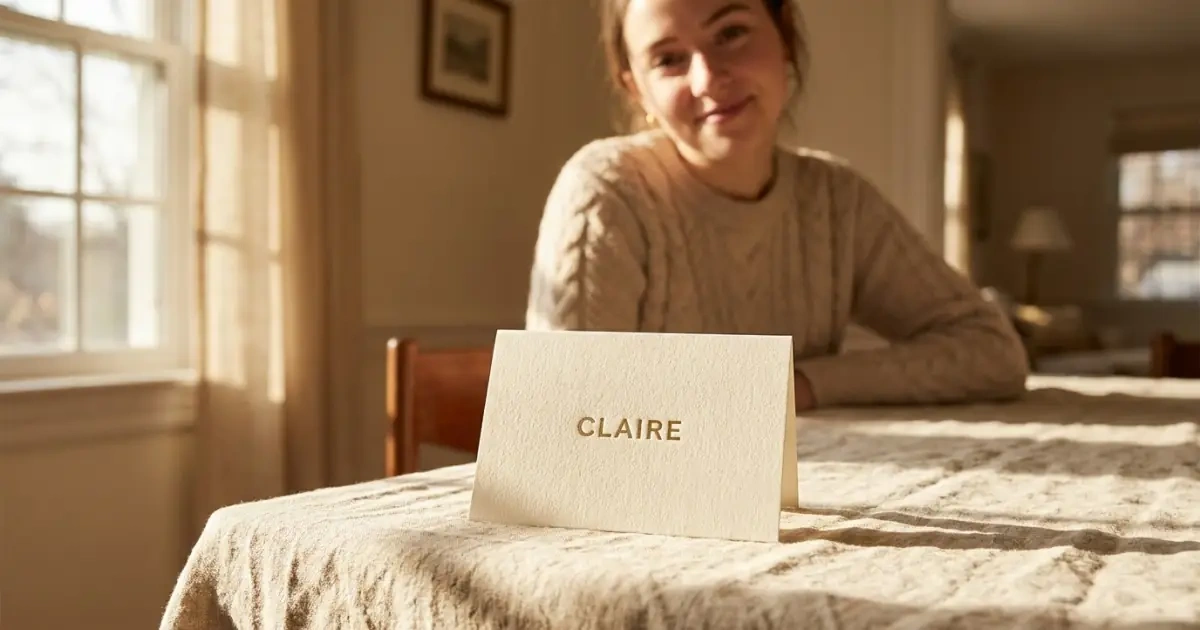
First-Read Accuracy Shows What the Spelling Teaches Strangers
First-read accuracy asks how likely someone is to pronounce the name correctly when they see it written down without help.
This matters because names are often read before they are spoken. A teacher sees a roster. A receptionist reads an appointment screen. A coach looks at a team list. A future employer reads an email signature. In those moments, spelling becomes the first pronunciation guide.
Ask:
- Would a teacher, doctor, or receptionist make a close guess?
- Is there one obvious pronunciation, or several possible ones?
- Does the spelling support the sound you want?
- Are there silent letters, accent marks, or letter combinations unfamiliar to your likely community?
- Would the first mistake be close enough to correct easily?
Names like Claire and Chloe have strong first-read accuracy for many English speakers; their established spellings allow most readers to move forward without hesitation. Culturally rich choices such as Niamh, Saoirse, and Caoimhe demand a different kind of reading, relying more heavily on exposure to the naming tradition behind them.
That does not make them unusable.
It means you should not be surprised by the first pause.
When first-read accuracy is low but the name is culturally, personally, or historically meaningful, the decision becomes a tradeoff rather than a simple yes or no. A name can still be strong when the written form asks for teaching. It simply needs enough meaning and family confidence to make that teaching worthwhile.

First-Hear Repeatability Matters More Than Many Parents Realize
Some names look difficult but become easy once spoken.
First-hear repeatability asks whether people can say the name back after hearing it once. This is where a name may perform better in real life than it does on paper.
Visual complexity does not always equal spoken difficulty. Aoife may initially confuse an unfamiliar reader, yet its compact sound is easy to repeat once heard. Elias carries a rhythm many English speakers can hold onto immediately. Caoimhe requires more care because families and regions may use different pronunciations, but that does not make the name weak; it simply asks for more intentional introduction.
Test the name naturally, not slowly as if you are teaching a lesson.
Try:
- “We’re thinking about Aoife.”
- “This is Elias.”
- “Her name is Caoimhe.”
- “We like Niamh with our surname.”
Then listen to how easily the other person says it back.
A name that is easy to repeat can still work beautifully even if it needs a spoken introduction first. In daily life, not every interaction begins with a written roster. Many names travel by voice: family introductions, playground conversations, group chats, and classroom friendships.
First-hear repeatability also matters for the child. A name that is difficult to decode on paper but easy to teach aloud may feel much lighter than a name whose correction remains awkward even after explanation.
For long-term spoken use, pair this check with How to Choose a Name That Sounds Professional Later in Life, especially if the name is rare, cultural, or highly lyrical.

Correction Effort Decides Whether Friction Feels Manageable
Every name gets corrected sometimes.
The real issue is how much effort the correction takes.
A light correction is quick and calm:
- “It’s EE-fa.”
- “It’s NEEV.”
- “We say MAY-a.”
- “It’s kee-AH-ra.”
A heavier correction takes more explanation:
- “It looks like one name, but we pronounce it another way.”
- “There are a few accepted versions, but our family uses this one.”
- “Most people say it differently at first.”
- “The spelling belongs to the original language, so it works differently from English.”
A name can still be worth choosing with a heavier explanation, especially when it has cultural or family significance. But you should know whether the explanation feels like a simple introduction or something your child may grow tired of giving.
Siobhan may need explanation in some settings, but it is an established name with a clear tradition behind it. Aoife can ask for a first correction, yet the spoken form is short enough to learn. Beatrice may be recognizable, though some speakers give it a fuller three-syllable shape while others compress it. Beatrix can feel crisper because the ending is harder to blur.
A manageable pronunciation challenge usually has three traits:
- The name matters.
- The sound is teachable.
- The correction is short.
A heavier challenge deserves more testing when:
- Almost everyone reads it incorrectly.
- The spelling suggests a different established name.
- Several common pronunciations exist and you only like one.
- The family itself is divided on how to say it.
- The correction requires a long explanation every time.
- The surname makes the sound less clear.
- The most likely mispronunciation truly bothers you.
A useful test is not whether anyone will ever say the name wrong.
The sharper test is whether the name recovers easily after correction.
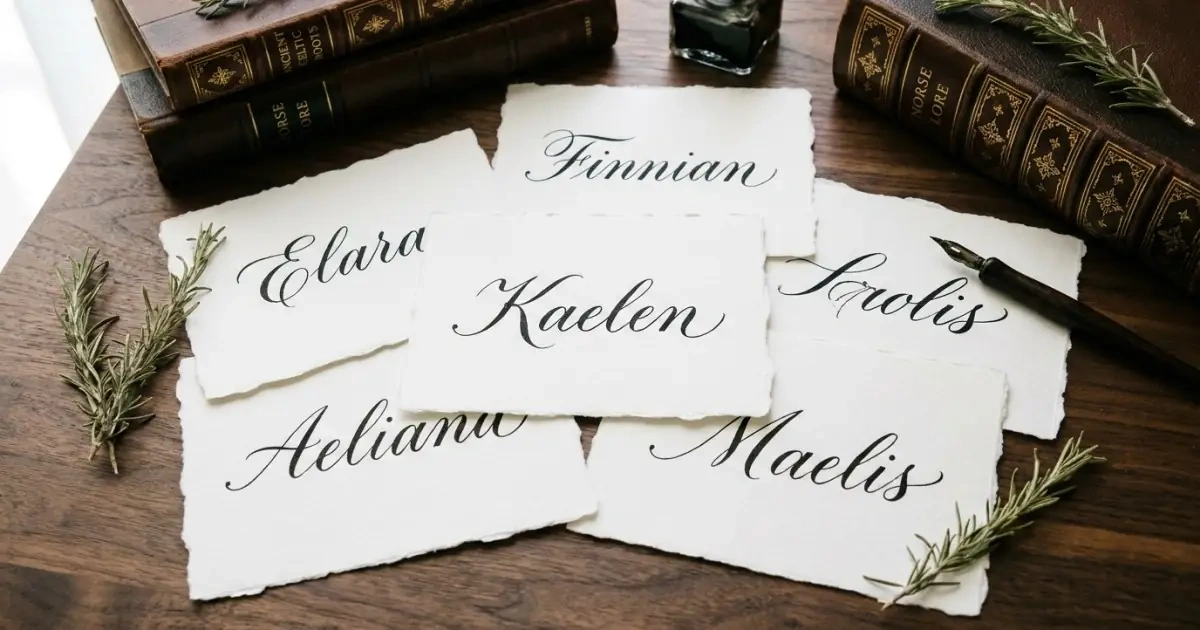
Spelling Should Guide the Sound or Preserve Something Worth Teaching
Spelling is not decoration.
It teaches people how to approach the name.
Most readers do not sound out every letter slowly. They recognize patterns. They compare the name to words and names they already know. That means spelling can guide people toward the intended sound, leave them uncertain, or pull them toward a different name.
This is why spelling and pronunciation should be evaluated together.
Chloe is familiar enough that most readers know how to say it. A spelling like Chloé may add a more French visual feel, while a creative form may increase spelling questions. The sound may remain easy; the written experience shifts.
Aisha and Aysha show another kind of choice. Both may point toward a similar pronunciation, but they do not carry exactly the same visual rhythm. One may feel more familiar in one community; the other may feel more phonetic in another.
With heritage names, be careful not to treat traditional spelling as a flaw simply because outsiders may not recognize it. Niamh, Saoirse, Caoimhe, and Ciaran are not random spellings. They come from naming traditions with their own rules and history.
The practical question is not whether the spelling is easy in the abstract.
The question is whether preserving that spelling matters enough to carry the teaching that comes with it.
Ask:
- Is this spelling part of the name’s cultural identity?
- Does the spelling help or mislead in our likely community?
- Would a simplified spelling feel respectful, practical, or like a loss?
- Are we choosing an unusual spelling for meaning, or mainly to be different?
- Would the child be correcting the spelling, the pronunciation, or both?
That final distinction matters. A traditional spelling that needs explanation and a custom spelling that creates confusion are not the same decision.
If written-form concerns are becoming central to your shortlist, read How to Avoid Spelling Regret alongside this guide.

Accent Differences Can Change a Name Without Making It Hard
A name does not have to sound identical in every accent to be pronunciation-friendly.
Many names shift slightly across regions. Vowels move. R sounds appear or soften. Some endings become lighter. Stress may change a little. These variations are part of normal language use.
The important question is whether the name remains recognizable.
Julian may sound slightly different across speakers, but the identity of the name usually stays stable. Clara has more noticeable variation, especially if your family strongly prefers CLAH-ra or CLAIR-a. Maya may invite MY-ah or MAY-ah depending on language background and local habit.
Variation becomes more serious when the alternate form sounds like a different name, a different word, or a version you actively dislike.
This is especially relevant for cross-language families. A name may feel effortless in one language and awkward in another. It may contain a sound one side of the family cannot pronounce naturally. That does not mean you must avoid it. It means you should test it honestly.
Ask relatives or friends from different language backgrounds to say the name.
Listen for:
- Whether the name bends slightly or changes completely.
- Whether the stress lands in a place you can accept.
- Whether the vowel shift bothers you.
- Whether relatives can say the name with warmth and confidence.
- Whether the child would hear two natural family versions or constant correction.
Small bending is usually fine.
Constant transformation may become tiring.
If accent variation is a major factor, read How to Choose Names That Work Across Different Accents and How to Choose Bilingual-Friendly Baby Names. You can also use Baby Names by Origin to compare names whose roots match your family’s language needs.

Pronunciation Tests Work Best When They Feel Ordinary
The best way to understand pronunciation ease is to test the name in situations that feel ordinary, not ideal.
You do not need dozens of opinions. A few careful checks can reveal where the name is smooth and where it needs support.
The cold-read test
Write the name down and ask three to five people to read it without help.
Do not introduce the origin first. Do not say the pronunciation before they try. Let the spelling do its job.
Notice:
- Whether they get it right.
- Whether they hesitate.
- Whether the mistakes are similar.
- Whether they land close to the intended sound.
- Whether they say an entirely different name.
When every person misreads it the same way, that tells you what correction your child may hear most often. If people hesitate but recover, the name may look unfamiliar rather than truly difficult.
The say-it-once test
Some names look difficult but become easy once spoken.
Say the name naturally in a sentence and ask someone to repeat it. This test is especially useful for names like Aoife and Siobhan, where the spelling may be less transparent to some readers than the sound itself.
Check:
- Whether the person can repeat the name comfortably.
- Whether they remember it a few minutes later.
- Whether the spoken name feels clear without visual support.
- Whether the correction feels calm or awkward.
A name with strong spoken usability can still be a good choice, even when first-read accuracy is weaker.
The phone-call test
Say the name over the phone without spelling it.
This reveals whether the name is easy to hear when visual clues are absent. It also shows whether it sounds too close to another name.
Mia and Claire will often perform well. Maya may invite a pronunciation check. Elias may be clear in many contexts, though local accents can still shape the vowel sounds.
Listen for:
- Whether the person hears the name accurately.
- Whether they ask for spelling immediately.
- Whether they confuse it with another name.
- Whether the surname makes the name easier or harder to hear.
The appointment-desk test
Picture the name being called in ordinary public settings.
Use:
- A pediatrician’s office.
- A school office.
- A dance class.
- A sports team.
- An airport counter.
- A graduation ceremony.
Would the reader say it with confidence, or would there be a pause almost every time?
A pause is not a disaster. A lifelong pattern of hesitation is worth considering.
The child-correction test
Imagine your child correcting the name at different ages.
Ask:
- Could a young child say the correction clearly?
- Could a teenager say it without sounding defensive?
- Could an adult offer the correction once and move on?
- Does the correction feel like a simple introduction or a recurring burden?
This test keeps the child’s experience at the center of the decision. Parents may love the story behind a name, but the child will be the one introducing it most often.
For a broader pre-finalization process, use How to Test a Baby Name Before Finalizing It together with How to Say a Baby Name Out Loud and Hear Its Real Flow.
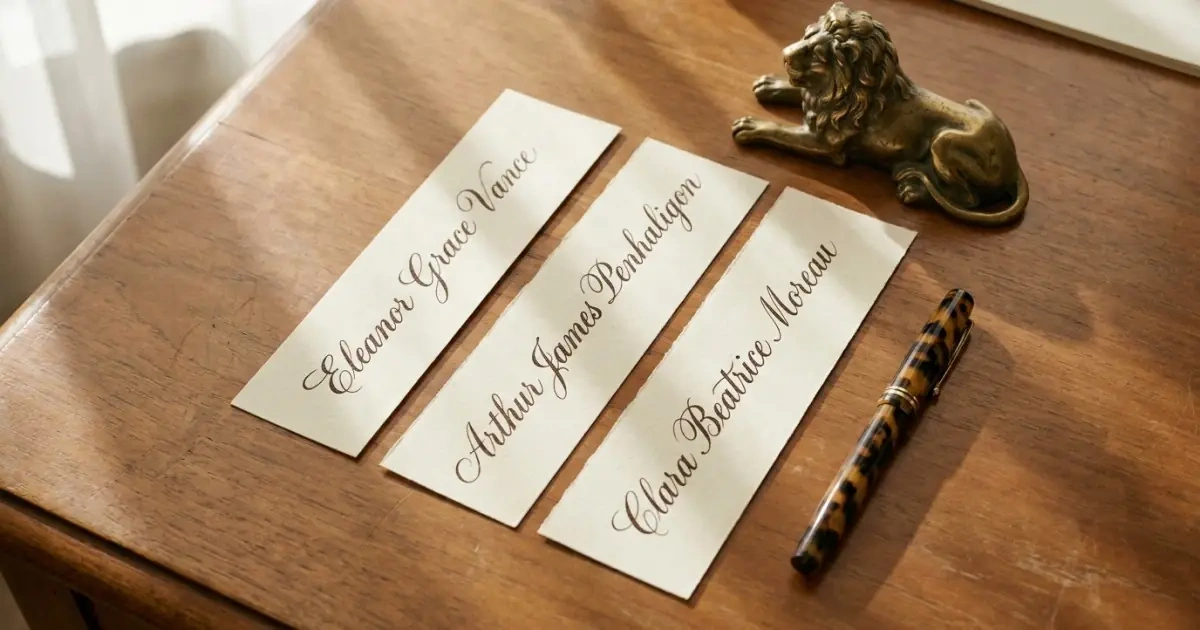
Full-Name Pronunciation Can Change the First Name’s Usability
A name that sounds clear by itself can become less clear beside the surname.
That is why you should test the full name, not just the first name. Say the first name and surname together. Then add the middle name. Then return to the first-last combination, because that is the form your child will use most often.
Listen for:
- Endings that disappear into the surname.
- Repeated consonants that feel clunky.
- Vowel collisions between names.
- Accidental rhymes.
- Too many long names in a row.
- A first name that sounds unfinished before the surname.
- Initials that create awkward combinations.
A soft vowel-ending first name before a vowel-starting surname may blur. A name ending in S before an S surname may create a hiss. A three- or four-syllable unfamiliar name before a long surname may feel heavier than expected.
This does not mean every full name must be perfectly smooth. Some strong full names have contrast. But when a first name already carries pronunciation friction, the surname should ideally make the whole name clearer, not harder.
A distinctive first name may pair well with a short, familiar surname. A familiar first name may carry a more complex surname with less effort. Saoirse may feel more manageable with a simple surname than with a long, unfamiliar one. Julian can often handle more surname complexity because the first name itself is widely recognizable.
Middle names can also help. A familiar middle name may ground a less familiar first name. A middle name with more pronunciation uncertainty may make the full combination feel too demanding.
Try three versions:
- Casual: “This is Aoife Morgan.”
- Formal: “Aoife Elizabeth Morgan.”
- Corrective: “It’s Aoife Morgan – EE-fa.”
When the name still feels clear in all three, that is a strong sign.
For more help with full-name rhythm, read How to Match a First Name With Your Surname and How to Build a First-Middle-Surname Combination That Flows.

Familiar Names Can Still Hold Pronunciation Surprises
Familiar names often reduce pronunciation friction because people have seen and heard them before.
That is one reason many parents feel safer choosing names with broad recognition. Familiar does not always mean pronunciation-proof.
Some familiar names vary by region. Clara is the clearest example in this guide: both CLAIR-a and CLAH-ra may feel natural, while one may be the only version you love.
Some familiar names vary by rhythm. Beatrice may sound fuller or more compressed depending on the speaker. Beatrix may feel more direct because the ending is harder to soften.
Some familiar names create spelling rather than pronunciation issues. Elliot is easy to say, but Elliott and Eliot may create written correction. That is a different kind of burden, but it still affects daily use.
Some names are familiar in one community and less familiar in another. Aisha may be instantly recognized by many people and still invite questions elsewhere.
Popularity can help with pronunciation because repeated exposure trains people. But popularity should not be treated as a guarantee. When you are choosing a familiar name partly for low friction, test the exact pronunciation and spelling you prefer.
The Baby Names by Popularity hub can help you think about recognition and commonness, while How to Choose Familiar Baby Names With Personality can help you avoid choosing a name that feels easy but emotionally flat.
Heritage Names Need a More Respectful Usability Test
Heritage names deserve better than the question, “Is it easy?”
That question often centers the comfort of outsiders instead of the value of the name itself. A more respectful question asks what the name gives the child and what the child will need in order to carry it well.
A heritage name may give a child connection to language, family, faith, place, memory, and identity. It may also require the child to teach pronunciation in spaces where that name is less familiar.
Both truths can exist at once.
Names such as Aoife, Niamh, Siobhan, Caoimhe, Saoirse, and Ciaran are not difficult because they are careless or invented. They belong to specific linguistic traditions. The difficulty often comes from reader unfamiliarity.
Still, parents should be practical. A meaningful name should be introduced with confidence, not anxiety.
Ask:
- Do we know the pronunciation we want?
- Can both sides of the family say it?
- Are there regional variants we should understand?
- Can we explain the pronunciation in one sentence?
- Do we want to preserve the traditional spelling?
- Will the child have a positive story behind the name?
- Are we prepared to correct people kindly and firmly?
Do not automatically change a heritage spelling just to make the name easier for others. Sometimes the spelling is part of the gift.
At the same time, do not ignore the child’s daily life. Some children enjoy having a distinctive name with a story. Others may find frequent corrections tiring. You cannot predict your child’s personality, but you can choose with care.
If this is the kind of name you are weighing, read How to Honor Heritage Without Forcing Tradition and How to Choose Irish Names for Everyday Life. For broader cultural comparison, continue through Baby Names by Origin.

A Pronunciation Scorecard Makes Tradeoffs Visible Without Making the Choice Mechanical
A scorecard can help when two names feel emotionally close but practically different.
This is not meant to make the decision mechanical. A name with more friction may still be right when it carries strong meaning, family value, or cultural connection. The score simply makes the tradeoff visible.
Rate each factor from 1 to 5.
| Factor | Question | Score |
| First-read clarity | Can most people read it correctly without help? | 1–5 |
| First-hear clarity | Can people repeat it after hearing it once? | 1–5 |
| Correction ease | Is the correction short and simple? | 1–5 |
| Spelling support | Does the spelling guide the intended sound well? | 1–5 |
| Accent stability | Does it stay recognizable across accents? | 1–5 |
| Full-name flow | Does it remain clear with the surname? | 1–5 |
| Family confidence | Can you introduce and correct it comfortably? | 1–5 |
Read the total like this:
- 30-35: very pronunciation-friendly.
- 24-29: usable with minor friction.
- 18-23: worth using when meaning, heritage, or love is strong.
- Under 18: pause and test more before committing.
Now apply it to real examples.
Mia may score high across most categories. Aoife may score lower on first-read clarity but higher on first-hear clarity and correction ease. Ciara may score differently depending on the pronunciation you intend and what your community expects. Maya may look simple but lose points if you only like one pronunciation and often hear the other.
The scorecard is especially helpful for partner conversations. Instead of saying, “It’s too hard,” one parent can say, “I love it, but I’m worried about first-read clarity and whether our families will say it consistently.” That turns a tense preference clash into a more useful decision.
For a wider comparison method, read How to Compare Baby Names Objectively.
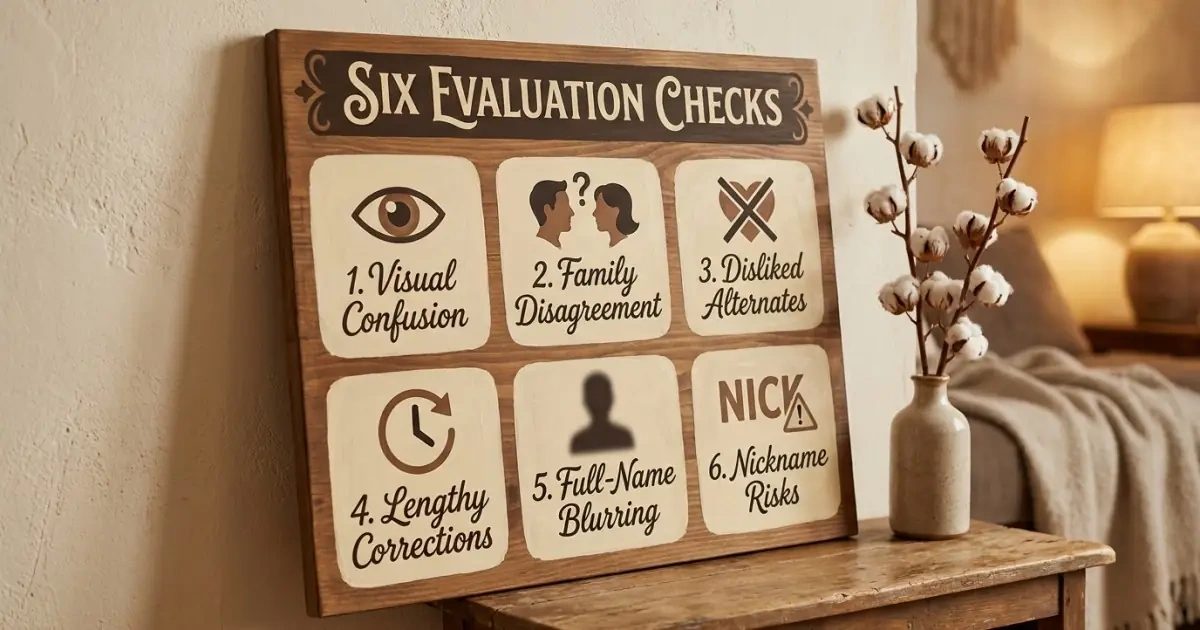
Pronunciation Red Flags That Deserve a Second Test
Some pronunciation concerns are small. Others should slow the decision down.
The name looks like a different established name
When most people read your chosen name as another name, your child may face frequent correction.
This can happen with cross-language names, close variants, or creative spellings. Ciara and Chiara are useful comparison names because one letter can shift the reader’s assumptions.
Ask:
- Which name will people think they are seeing?
- Is the mistake predictable?
- Does the correction feel simple?
- Does the alternate reading bother you?
Your family cannot agree on the pronunciation
When you and your partner pronounce the name differently, do not ignore it.
Look up the common pronunciations, test the name with the surname, and choose the version your household will use. A name can have variants, but your child should not inherit confusion from the people who named them.
Check:
- Which pronunciation each parent prefers.
- Whether both versions are widely accepted.
- Whether one version sounds better with the surname.
- Whether relatives can learn the household version.
You dislike the most common alternate version
This is one of the clearest warning signs.
When you love Clara only as CLAH-ra and strongly dislike CLAIR-a, your local pronunciation habits matter. When you love Maya only one way, test whether people near you naturally say it that way.
A name can survive variation only if you can tolerate the variation.
Ask:
- What alternate version will we hear most often?
- Can we live with it?
- Will correction feel calm or irritating?
- Would a different name give us the sound we want with less friction?
The correction takes too long
A correction should ideally be simple enough for a child to use.
When every correction turns into a long explanation, decide whether that explanation is meaningful or draining. For a heritage name, the story may feel worth it. For a spelling chosen only for uniqueness, it may not.
Look for:
- A correction that fits into one sentence.
- A sound people can repeat.
- A story the child can feel proud of.
- A reason strong enough to justify the teaching.
The full name makes the first name less clear
The surname can stabilize or blur the first name.
When the first name is already unfamiliar, a clear surname pairing helps. When the full name creates repeated sound collisions, the pronunciation issue may feel larger than it does on paper.
Check:
- Whether the first name ending runs into the surname.
- Whether repeated sounds create a stumble.
- Whether the middle name helps or adds more friction.
- Whether the casual full name is easier than the formal version.
The most likely nickname creates another issue
Pronunciation and nickname risk often overlap.
If people mishear the name as a nickname you dislike, or if the easiest short form is not one you want, test that before finalizing.
Ask:
- What nickname will people naturally use?
- Does the nickname change the name’s style?
- Will the nickname be easier but less meaningful?
- Would the child have options later?
For more on that side of usability, read How to Check Nickname Potential Before You Choose.

The Pronunciation Tradeoff Is Worth It Only When the Name Gives Enough Back
After all the testing, you may still love a name that is not perfectly easy.
That is normal. Most naming decisions involve tradeoffs.
A name may be meaningful but uncommon. Familiar but more popular than you hoped. Elegant but formal. Rare but frequently misspelled. Culturally rich but less familiar to outsiders.
Pronunciation is one part of the whole decision.
A name may be worth the pronunciation tradeoff when:
- It honors heritage, language, faith, or family history.
- Both parents genuinely love the sound.
- The correction is short.
- People usually learn it after one introduction.
- The full name remains clear.
- The child will have a positive story to tell.
- You can introduce the name with calm confidence.
A name may need rethinking when:
- You already feel defensive when explaining it.
- Close relatives consistently say it wrong.
- You dislike correcting people.
- The spelling and sound feel disconnected without a meaningful reason.
- The most common alternate pronunciation bothers you.
- The surname makes the name harder to hear.
- The child would need to explain too much, too often.
When you are stuck between two names, compare them on the same factors rather than forcing a winner by emotion alone. One name may have the stronger meaning. Another may have smoother daily use. The final choice should be the name whose tradeoffs you can accept with love and clarity.
For close decisions, read How to Decide Between Two Baby Names and How to Avoid Baby Name Regret.
A useful final test is simple: choose the name when its pronunciation feels like a manageable introduction, not a burden your child will have to keep carrying alone.

Common Questions About Choosing a Pronunciation-Friendly Baby Name
Should I avoid a name if people mispronounce it the first time?
Not automatically. First-time mistakes are common, especially with names from less familiar origins. What matters is whether the correction is simple and whether people usually get it right after hearing it.
A name that is misread once but easily learned may still be very usable.
Is a phonetic spelling always better?
No. A phonetic spelling can reduce first-read confusion, especially when you are choosing a name mainly for its sound. But when the traditional spelling carries cultural, family, or historical meaning, simplifying it may remove something important.
Compare the practical benefit with the emotional or cultural cost.
Are Irish names too hard to use outside Ireland?
No. That is too broad.
Some Irish names need more explanation in places where Irish spelling patterns are less familiar, but many have sounds that are simple once learned. The real question is whether your family is comfortable teaching the pronunciation and whether the specific name’s everyday friction feels manageable.
Aoife, Niamh, Saoirse, Caoimhe, and Siobhan each create a different balance of visibility, sound, spelling, and correction.
What if my partner and I say the name differently?
Pause before finalizing it.
Find out whether both pronunciations are common, say each version with the surname, and decide which one your family will use. If you like both, variation may not matter. If one version bothers you, the name needs more testing.
Do popular names have fewer pronunciation problems?
Usually, popular names have fewer first-read problems because people see them more often. But popularity does not eliminate regional pronunciation, spelling variants, or nickname issues.
A popular name may be easier to recognize, while a rarer name may feel more distinctive. The best choice depends on which tradeoff feels more acceptable to your family.

Where to Go Next After Testing Pronunciation Ease
Pronunciation ease should not push you toward the plainest name.
It should tell you whether a name is teachable, speakable, and clear enough for your child to introduce without feeling weighed down by the explanation.
Let your exact concern shape your next move. If pronunciation dictates the emotional tone of the name, return to Baby Names by Style. When language, culture, or heritage is the central anchor, Baby Names by Origin provides steadier context, while Baby Names by Popularity clarifies how familiar the name might already feel in everyday life.
Finally, refine your choice by exploring the specific mechanics causing hesitation: written confusion through How to Avoid Spelling Regret, spoken rhythm through How to Use Syllable Flow to Choose a Better Name, or cross-cultural elegance through How to Choose Bilingual-Friendly Baby Names.
The right name does not have to be effortless for everyone. It needs to feel meaningful enough, clear enough, and livable enough for the child who will carry it.