
How to Choose French Names Without Over-Stylizing Them
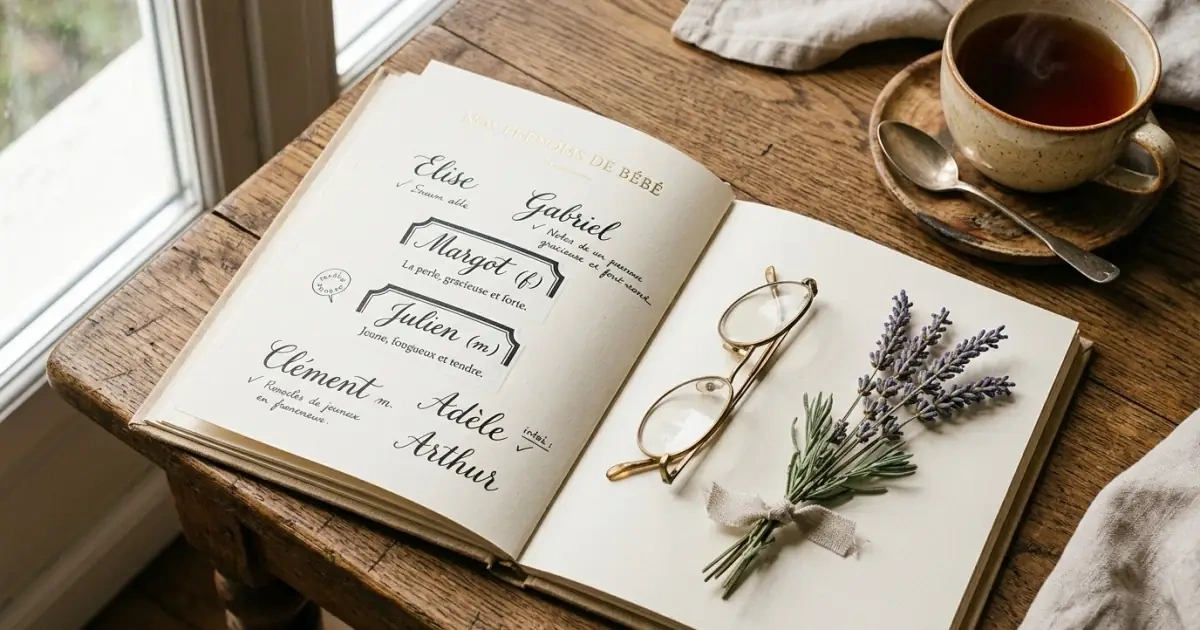
French names can be incredibly persuasive.
They often promise the thing many parents want but struggle to name: softness without weakness, polish without coldness, elegance without obvious effort. A French name may look refined on the page, sound graceful when spoken well, and carry enough familiarity to feel accessible while still seeming more curated than the average shortlist.
That is the appeal.
It is also the trap.
A name can feel elegant in theory and over-curated in real life. A beautiful spelling may become a lifetime of correction, while a soft French sound can turn fragile or self-conscious in the everyday voices around the child. Some choices carry real history and calm style; others mainly perform a mood — Parisian, literary, cinematic, expensive, delicate, tastefully arranged.
At that point, parents are no longer choosing only a name.
They are choosing an image.
The best French names are not the ones that look the most styled. They keep enough French charm without turning the child’s name into an aesthetic performance. They feel polished, but not precious. Distinctive, but not staged. Elegant, but still human.
This is not a list of the “most beautiful French baby names.” It is a practical framework for choosing a French name that can live in your family’s real voice, your surname, your paperwork, your nickname habits, and your child’s future.
Start with baby names by origin when you are still exploring the wider cultural landscape. Use How to Choose a Baby Name by Origin if you are still deciding whether French is the right origin lane at all. Once the shortlist starts colliding with style, familiarity, or symbolic meaning, keep baby names by style, baby names by popularity, and baby names by theme nearby. French names are rarely only about sound; they ask how much polish your family actually wants to live with.
French Names Appeal Because Their Elegance Feels Controlled
French names often feel polished without sounding invented.
That distinction matters. Many highly stylish names feel designed to attract attention. French names usually work more quietly. They can sound socially fluent, softened at the edges, and visually refined without appearing aggressively manufactured.
For parents tired of trend-heavy choices or exaggeratedly unique spellings, that restraint can feel refreshing.
French names often carry poise rather than flash. Their tone may be romantic, literary, graceful, spare, or understated, but the style usually suggests control. Even when a French name is fashionable, it may sound as though it had an identity before the trend arrived.
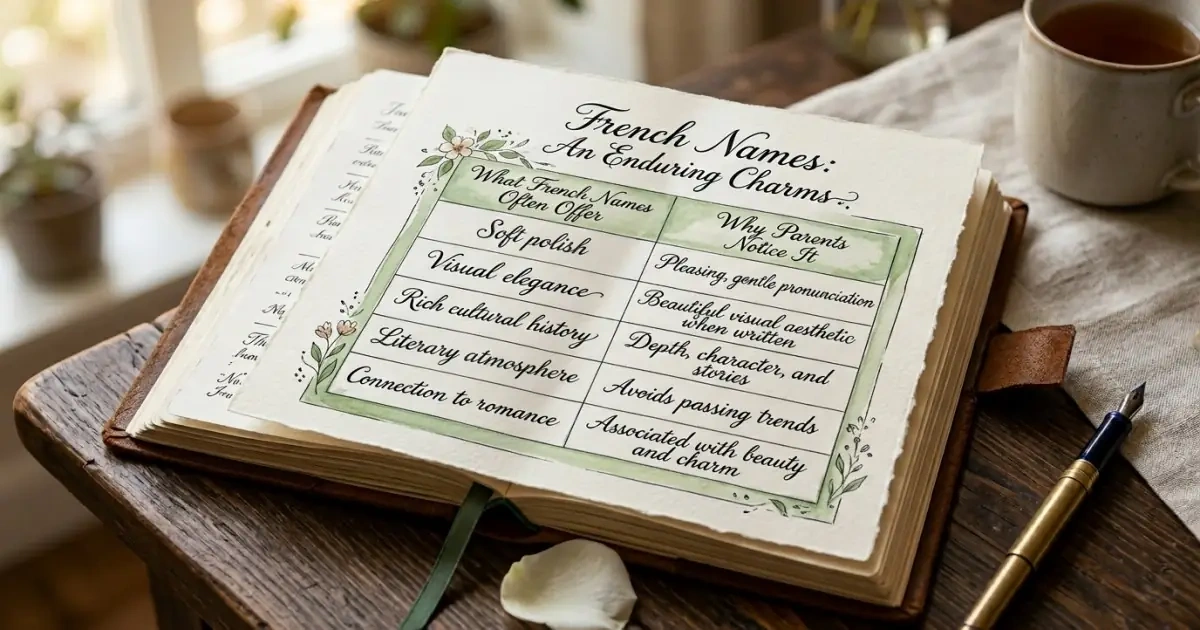
| What French Names Often Offer | Why Parents Notice It |
| Soft polish | The name feels graceful without sounding weak |
| Visual elegance | The written form can look refined and balanced |
| Romantic restraint | The name has beauty without obvious excess |
| Literary atmosphere | Many French names feel quietly cultured |
| Familiarity with distinction | The name may be recognizable but not plain |
| Bridge potential | French forms often have easier related versions |
Claire is a useful example of French elegance that rarely feels forced. It is clear, polished, and easy to live with. Lucie carries more visible French texture than Lucy, while Julien offers a softer French-rooted alternative to Julian-like forms.
The appeal is not imaginary.
The challenge is making sure the name remains a name, not a lifestyle accessory.
Elegance Turns Into Over-Styling When the Mood Leads the Name
True elegance usually feels calm.
It does not ask to be noticed at every moment.
A French name starts to feel over-stylized when the mood becomes more important than the form. Parents may imagine Parisian softness, cinematic romance, refined European taste, or a carefully edited family aesthetic, then expect the name to carry that entire atmosphere.
The result can be beautiful in isolation and strangely ungrounded in use.
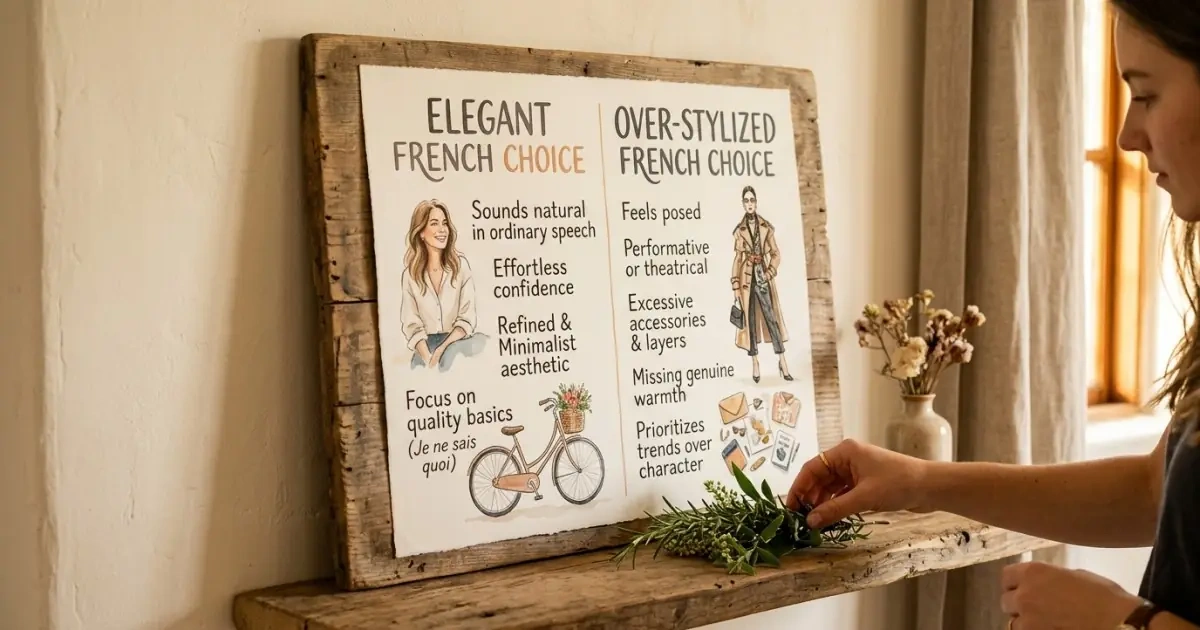
| Elegant French Choice | Over-Stylized French Choice |
| Sounds natural in ordinary speech | Feels posed every time it is said |
| Keeps charm without strain | Depends on mood, accent, or visual styling |
| Fits the family’s real voice | Feels borrowed from a fantasy life |
| Has structure beyond prettiness | Relies mainly on aesthetic signal |
| Works without explanation | Needs a setting to feel convincing |
A name such as Margot may feel tailored and literary, while Margaux adds a different visual polish. Neither is automatically better. The question is whether the form fits the family’s real environment or mainly the image parents want the name to project.
French charm works best when it feels lived-in.
The name should not need perfect lighting to be convincing.
The Central Choice Is Charm Without Performance
Most parents considering French names are not choosing between beauty and ugliness.
They are choosing between beauty that feels natural and beauty that feels performed.
A French name can be graceful and still believable. It can feel stylish without sounding fragile. It can carry softness without becoming precious. Problems begin when the Frenchness of the name is expected to do too much work: to signal taste, elegance, cultural fluency, romance, restraint, and a whole imagined way of life.
That is too much pressure for a baby name.
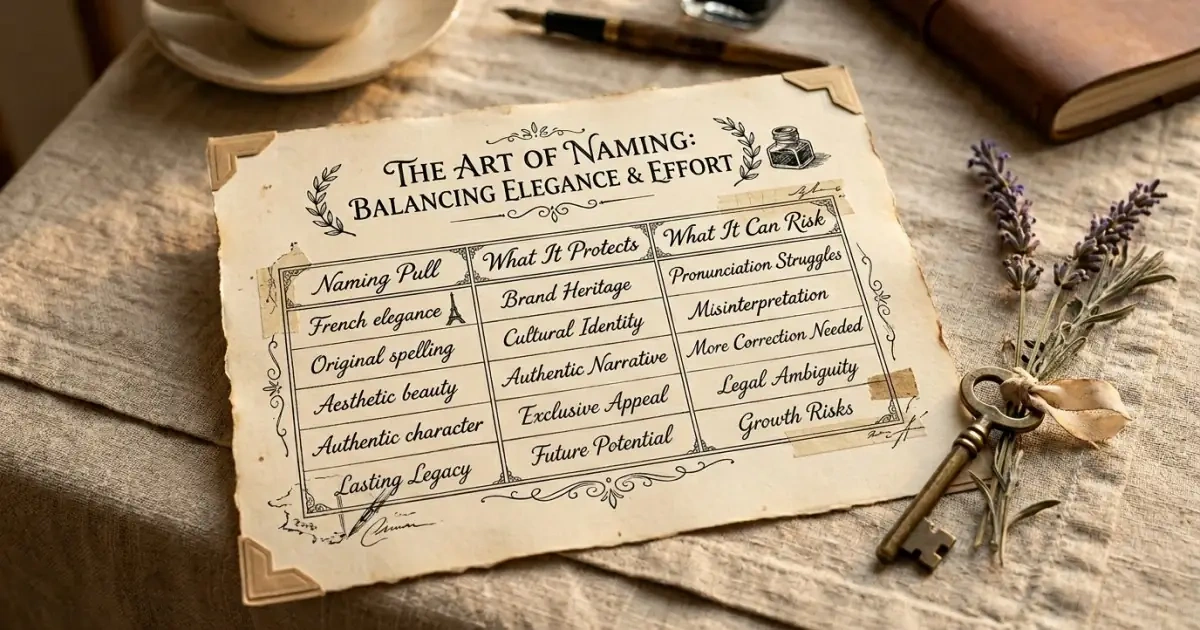
| Naming Pull | What It Protects | What It Can Risk |
| French elegance | Polish, softness, refinement | A name that feels curated rather than lived |
| Original spelling | Visual beauty and cultural texture | More correction and typing friction |
| Simplified form | Ease and public usability | Loss of charm or specificity |
| Romantic sound | Warmth and grace | Delicacy that may feel self-conscious |
| Fashion-aware style | Distinction and confidence | A name that dates as an aesthetic gesture |
The strongest French names usually keep the charm while lowering the performance level.
They do not need to prove they are French every time they appear. Their beauty has structure behind it.
When charm, sound, and style start competing, What Makes a Good Baby Name? and How to Balance Meaning, Sound, and Style in a Baby Name give the decision a wider standard than prettiness alone.
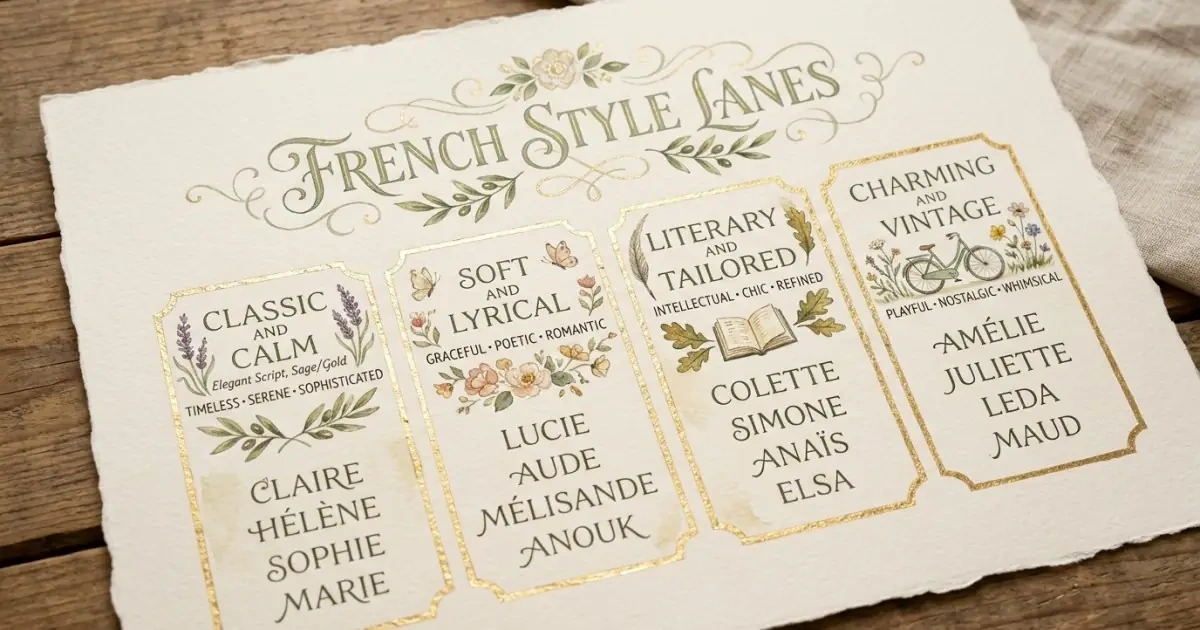
French Names Belong to More Than One Style Lane
“French name” is not one aesthetic.
That phrase can mean classic, romantic, literary, minimalist, fashion-forward, aristocratic, cinematic, soft, tailored, or highly decorative. A parent can love one French name and reject another without inconsistency. They may not be rejecting French style. They may be rejecting a specific kind of French style.
Claire does not create the same impression as Anaïs. Élodie feels different from Apolline. Capucine may be lovely and distinctive, yet far more stylized in many non-French environments than Julie or Camille.
| French Style Lane | What It Often Feels Like |
| Classic and calm | Claire, Camille, Julien-like polish |
| Soft and lyrical | Élodie, Lucie, Amélie-like movement |
| Literary and tailored | Margot, Colette-like refinement |
| Fashion-aware | Margaux, Anaïs-like visual style |
| Romantic and delicate | Names with strong softness or ornament |
| Minimal and chic | Shorter forms with less visible styling |
| Highly distinctive | Capucine, Apolline-like presence |
Use baby names by style when your French shortlist feels confusing. You may already know the origin lane. The sharper question is whether your family wants quiet polish, literary elegance, romantic softness, or a more fashion-conscious French choice.
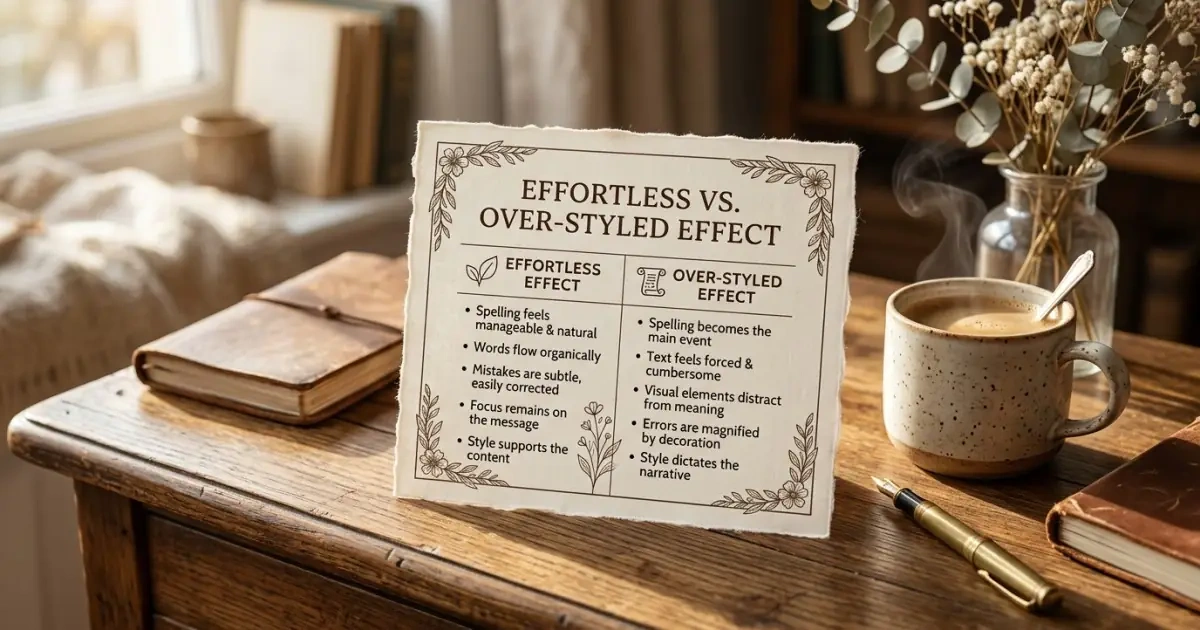
Effortless French Names Usually Do Less
Some French names feel easy because their structure is calm.
They do not need much styling to be beautiful. They can be said casually, written without constant explanation, paired with many surnames, and imagined on both a child and an adult. Their Frenchness is present, but not constantly announced.
More decorated forms can be beautiful too. Accent marks, silent endings, and unusual spellings may carry the exact texture parents love. They become risky only when the visual effect matters more than the lived name.
| Effortless Effect | Over-Styled Effect |
| Beauty survives casual speech | Beauty depends on careful presentation |
| Spelling feels manageable | Spelling becomes the main event |
| Pronunciation can shift slightly without collapse | The name loses charm outside one ideal accent |
| Familiarity supports the name | Novelty carries too much of the appeal |
| The name feels like a person | The name feels like an aesthetic object |
Claire rarely needs to prove its elegance. Lucie feels French without being heavy. Margot carries style with discipline. Margaux may be striking, but its visual statement is stronger and may feel more curated depending on the family’s environment. Éloïse and Eloise sit close together while asking different things from spelling, typography, and correction.
The names that feel most effortless are often the ones that do not need to announce their Frenchness.
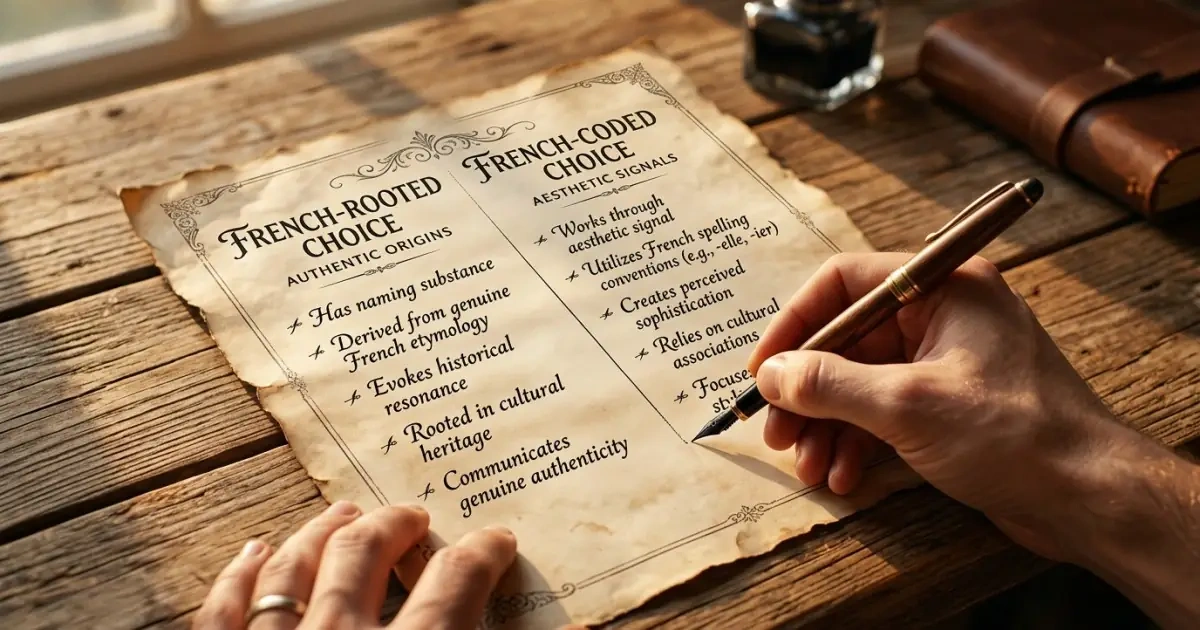
French-Rooted and French-Coded Are Not the Same Choice
This distinction is essential.
Some names are French-rooted and naturally wearable. They belong to French naming history or usage but still function calmly in everyday life. Other choices are more French-coded: they project French image, taste, or atmosphere more strongly than they carry substance.
That does not make French-coded names unusable.
It does mean parents should know what they are responding to.
| French-Rooted Choice | French-Coded Choice |
| Has naming substance beyond image | Works mainly through aesthetic signal |
| Feels usable without a mood attached | Needs the imagined style world to make sense |
| Carries language, history, or family meaning | Suggests taste, polish, or lifestyle identity |
| Can be spoken plainly | Feels best when presented carefully |
| Still works after repetition | Weakens when the image fades |
A family may love the feeling a name creates: taste, softness, European polish, quiet luxury, literary refinement. Image is part of naming. The danger comes when the signal matters more than the sound, structure, and daily life of the name.
Ask whether you love the actual name or the world you imagine around it.
When cultural identity, admiration, and borrowing start to overlap, How to Choose Names With Strong Cultural Roots Respectfully can keep the decision from becoming only aesthetic.
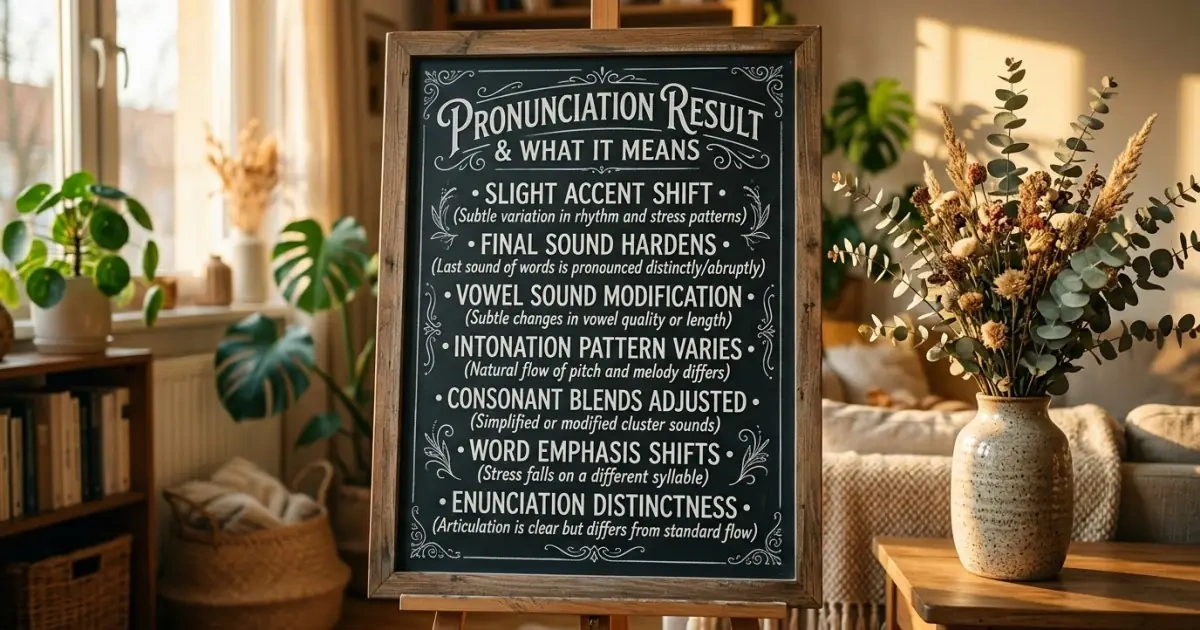
Pronunciation Can Quietly Change a French Name’s Tone
French pronunciation does not need to remain perfect for the name to work.
Many French names survive approximation gracefully. Their softness may shift, but the name still feels recognizable and usable. Others depend heavily on a particular rhythm, vowel, or ending. Once that sound changes, the charm weakens.
This is why pronunciation matters even when the real issue seems to be style.
The question is not only whether people can say the name. Listen to what the name becomes.
| Pronunciation Result | What It Means for the Name |
| Slight accent shift | Usually manageable |
| Final sound hardens | May change the elegance or softness |
| Stress lands awkwardly | Can make the name feel less natural |
| Accent marks are ignored | Visual beauty may not transfer into speech |
| Name becomes another familiar form | Public identity may drift |
| Family dislikes the local version | Long-term frustration is likely |
A French name that sounds relaxed and elegant in one accent may feel sharper, flatter, or more affected in another. That does not automatically ruin it. It simply needs to be known before the choice becomes final.
When pronunciation is quietly doing more work than expected, use How to Evaluate Pronunciation Ease, How to Choose Names That Work Across Different Accents, and How to Choose a Name That Works in Two Languages to test whether the name remains stable outside its best accent.
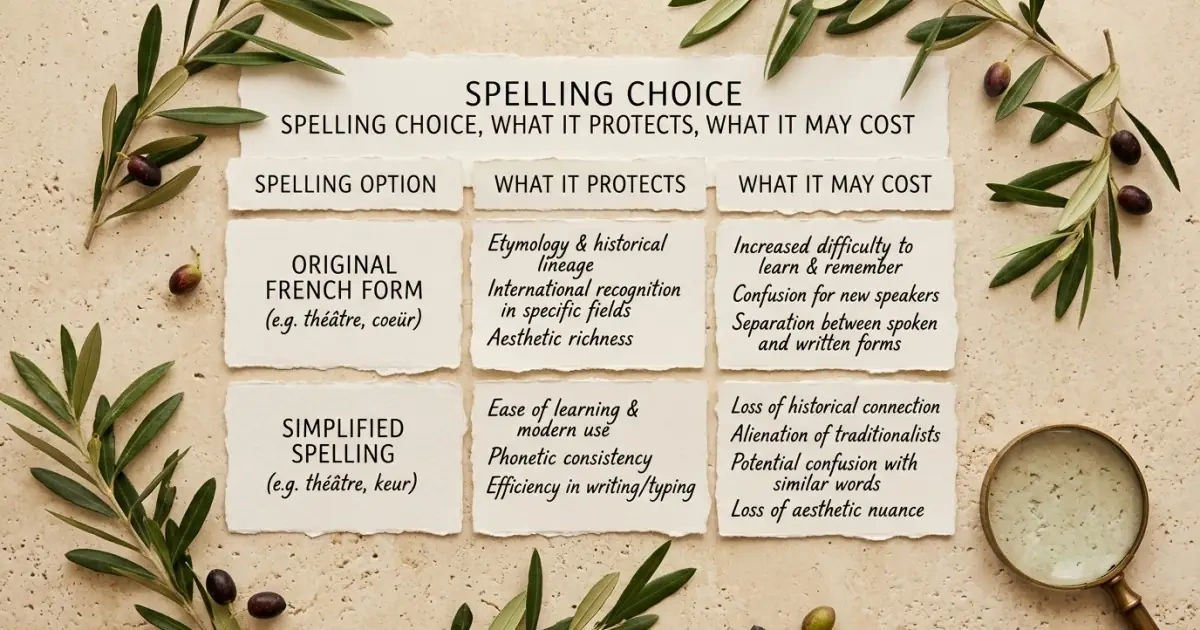
Accent Marks, Silent Letters, and Spellings Need a Usability Test
French spelling can be part of the beauty.
Accent marks, silent endings, and visual balance may be exactly what made the name feel elegant in the first place. Removing those features can flatten the charm. Keeping them may preserve identity and texture.
They can also create friction.
A child’s name has to move through school systems, forms, text fields, email addresses, passports, classroom lists, and casual introductions. The more the written form depends on details that the local environment does not handle well, the more correction the family should expect.
| Spelling Choice | What It Protects | What It May Cost |
| Original French form | Visual elegance and cultural texture | More correction or typing friction |
| Accent-preserving spelling | Accuracy and style | Digital or administrative inconsistency |
| Simplified spelling | Public readability | Softer French signal |
| Bridge form | Balance of charm and use | Possible compromise feeling |
| Familiar local form | Ease | Less distinctiveness |
Margaux and Margot do not create the same impression. Éloïse and Eloise shift tone as well as readability. Lucie and Lucy sit close together but differ in texture. Juliette carries more polish than Julie, though the lighter form may be easier in daily life.
The best form is usually the one the family can use without strain.
When spelling is becoming the real tension, How to Keep a Cultural Spelling Without Creating Constant Friction and How to Adapt a Traditional Name for Modern Everyday Use give that decision the structure it needs.
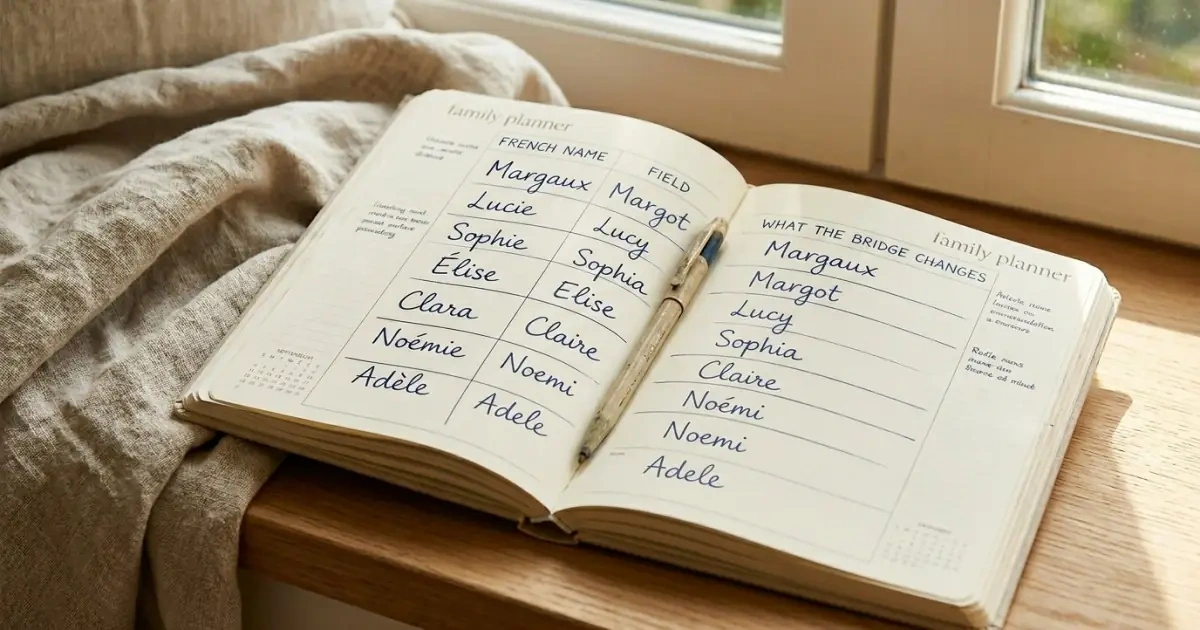
Bridge Forms Can Keep French Charm Livable
Some French names already have natural bridges.
A bridge form can soften the correction burden without stripping away all the charm. It may simplify spelling, create a more familiar public version, or give the family a polished full name with a warmer everyday option.
That is not automatically a loss.
It can be the reason the name survives real life.
| French Name Field | What the Bridge Changes |
| Éloïse / Eloise | Visual styling, typing ease, and public familiarity |
| Margaux / Margot | Fashion signal, readability, and literary polish |
| Juliette / Julie | Formal romance versus everyday warmth |
| Lucie / Lucille / Lucy | French visibility, softness, and international ease |
| Colette / Coco | Tailored elegance versus playful charm |
| Camille / Cami | Polished full form with casual flexibility |
Colette and Coco do not create the same life. Camille and Cami shift the name’s social temperature. Lucille, Lucie, and Lucy each carry different levels of French texture and daily ease.
The right bridge should not feel like surrender.
It should feel like the form that lets the name remain elegant without becoming high-maintenance.
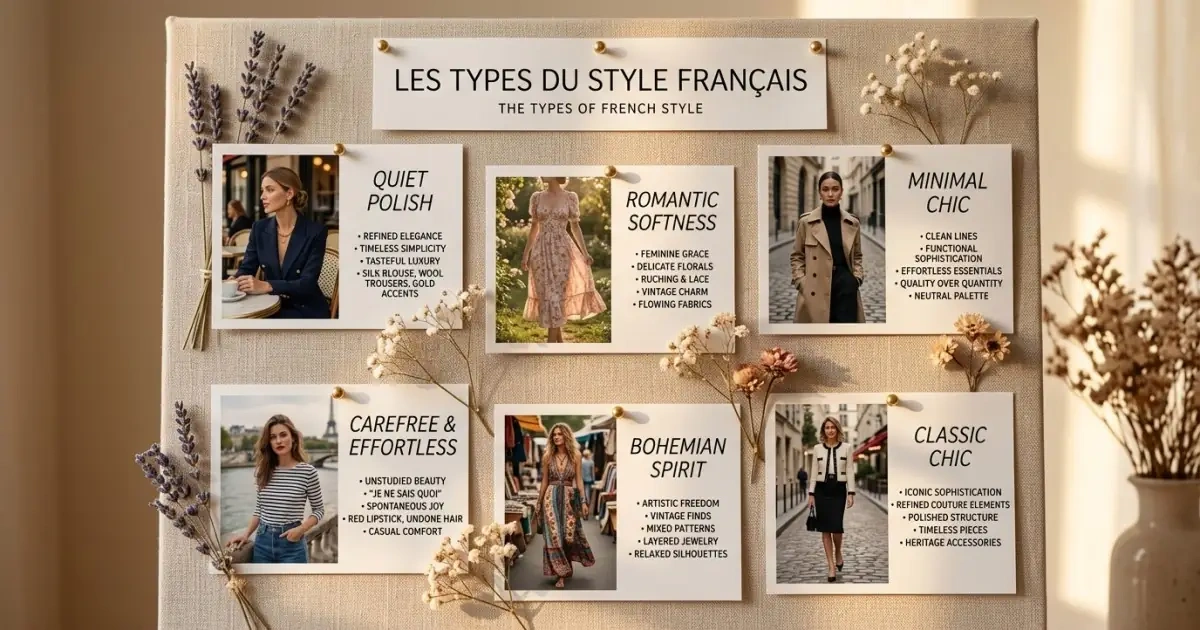
French Style Can Be Quiet, Romantic, Literary, or Fashion-Aware
French names can feel stylish in several very different ways.
Some are quietly polished. Others are romantic but grounded. A few feel literary and tailored. Another group leans more fashion-forward, where spelling, image, and visual texture carry more of the appeal.
Those differences matter because they often decide whether the name feels believable.
| Type of French Style | What It Feels Like |
| Quiet polish | Calm, refined, low-drama |
| Romantic softness | Warm, lyrical, graceful |
| Literary elegance | Cultured, tailored, composed |
| Fashion-aware styling | Distinctive, image-rich, more curated |
| Minimal chic | Spare, smooth, understated |
| Delicate charm | Pretty, soft, potentially fragile |
| Everyday French ease | Familiar, usable, lightly polished |
A family drawn to French names may want softness, polish, literary charm, cultural connection, or simply a cleaner alternative to heavier styles. Those are not the same desire.
Once you name the style you actually want, the shortlist becomes easier to trust.
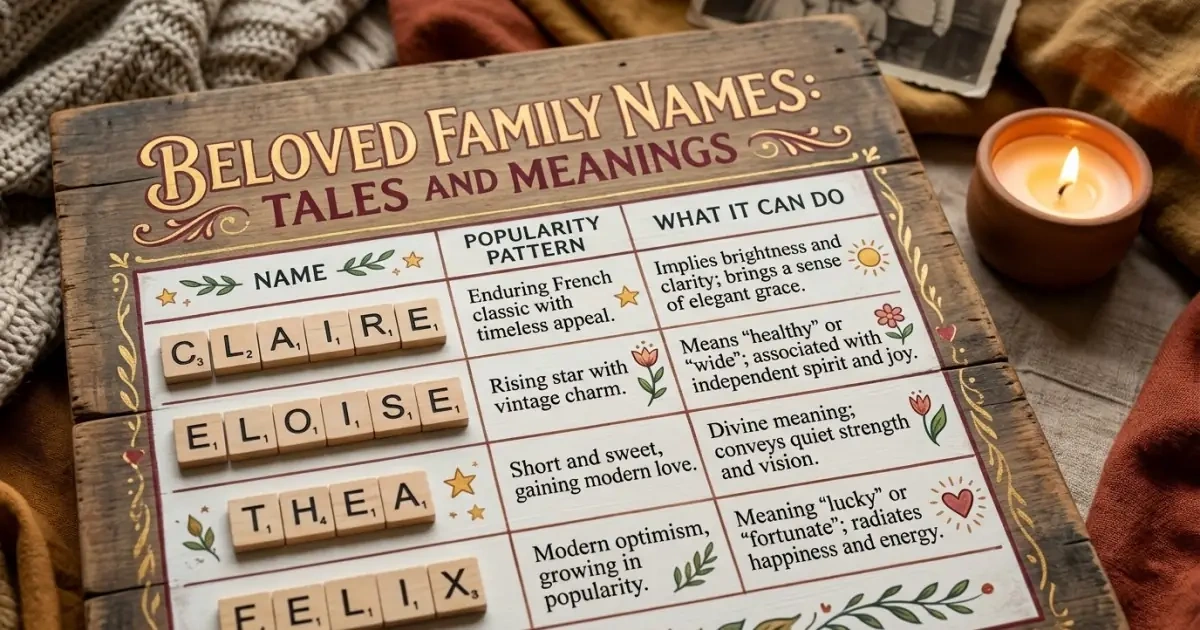
Popularity Changes Whether a French Name Feels Natural or Curated
Familiarity can make a French name feel less stylized.
That can be useful. A name already known in the family’s environment usually reads as more natural and less like an aesthetic statement. Wider exposure lowers the “trying too hard” effect.
The trade-off is distinction.
A name that once felt quietly polished may become more ordinary than parents expected. The same visibility that makes the name easier can make it feel less special.
| Popularity Pattern | What It Can Do |
| Familiar French classic | Makes the name feel natural |
| Rare French spelling | Adds distinction, increases styling effect |
| Rising style name | Feels current, may date faster |
| Widely used bridge form | Improves ease, softens French texture |
| Known literary name | Adds refinement without total unfamiliarity |
| Highly visible choice | Lowers friction, may flatten charm |
Claire, Margot, Eloise, Camille, and Juliette may feel very different depending on the community. One city may read them as elegant and familiar. Another may hear them as more curated.
Use baby names by popularity when visibility starts changing your instincts. Popularity should clarify the trade-off, not make the decision for you.
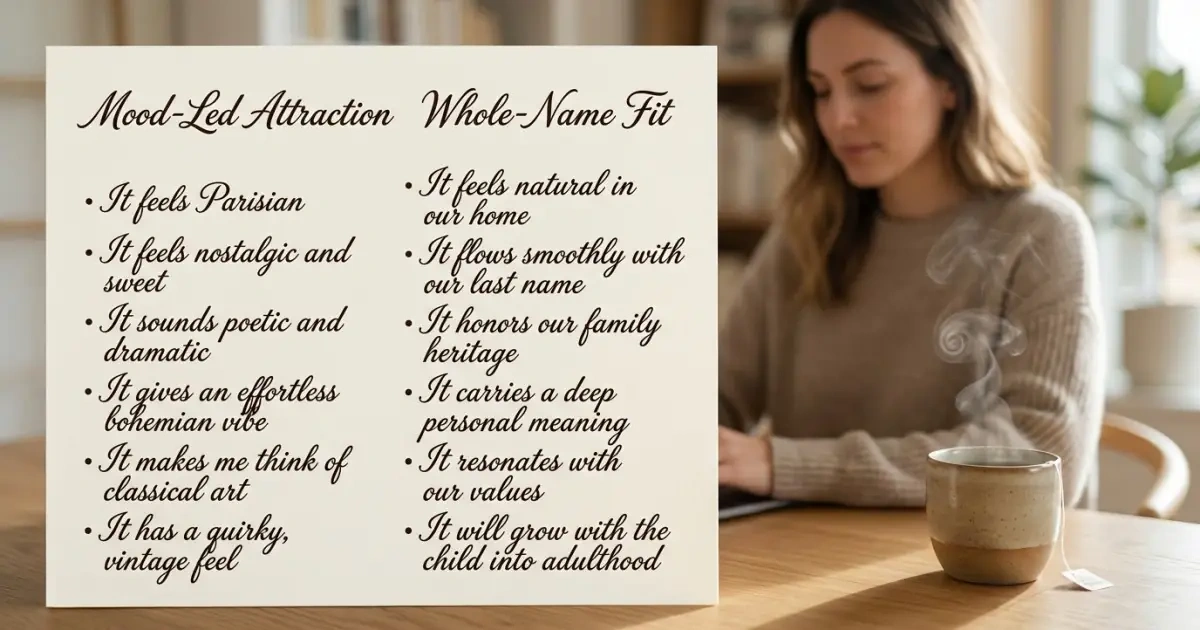
The Lifestyle Mood Should Not Outrank the Name
This is one of the sharpest tests for French names.
A name can feel Parisian, cinematic, romantic, literary, or elegant and still not fit your child. Loving the mood is not the same as loving the daily sound.
Strip away the atmosphere for a moment.
Would you still want to say the name every day? Does it work with your surname? Does it sound right in your ordinary voice, not only in an imagined accent? Does it become more convincing through repetition, or more posed?
| Mood-Led Attraction | Whole-Name Fit |
| “It feels Parisian.” | “It feels natural in our home.” |
| “It looks elegant.” | “It works with our surname.” |
| “It sounds romantic.” | “It still sounds grounded.” |
| “It gives a certain image.” | “It leaves room for the child.” |
| “It feels stylish.” | “We enjoy using it often.” |
French names can carry a lifestyle mood very easily. That is part of their charm. It should not be allowed to hide the actual name.
When the final choice is close, How to Test a Baby Name Before Finalizing It can separate image from readiness.
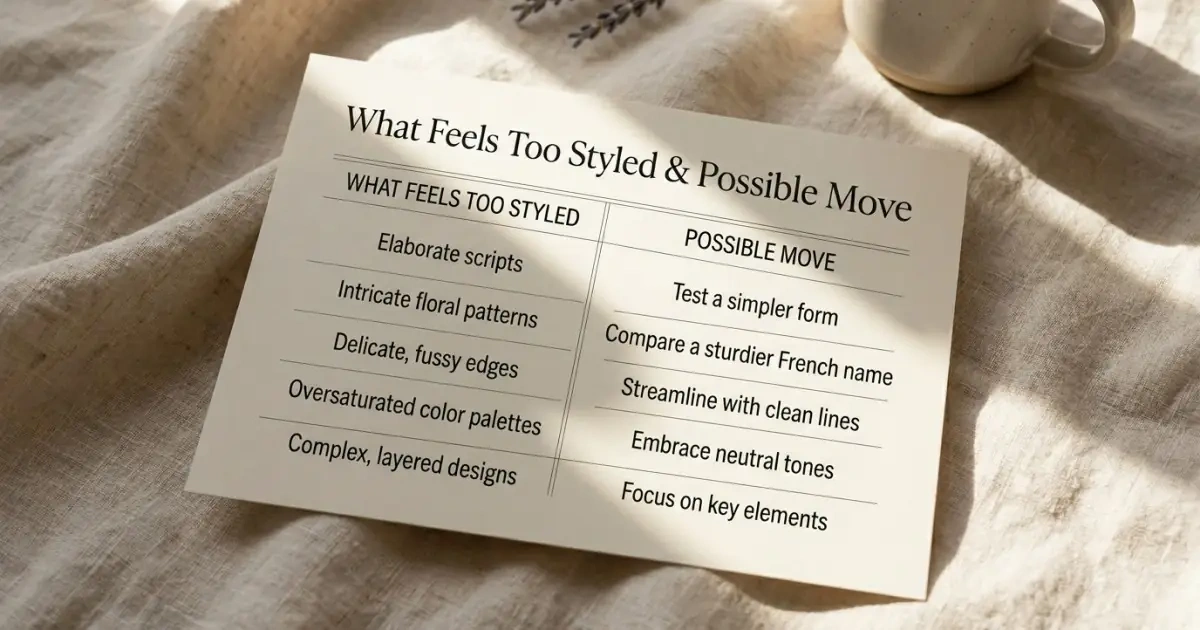
When a French Name Feels Too Precious or Too Styled
Do not reject a delicate French name immediately.
Name the exact excess first.
Is the spelling too decorated? Is the sound too fragile? Does the name feel too beautiful to say casually? Are you worried that other people will hear it as a performance rather than a name? Is the issue the French root, or the lifestyle image attached to it?
| What Feels Too Styled | Possible Move |
| Accent marks or spelling | Test a simpler form |
| Delicate sound | Compare a sturdier French name |
| Romantic mood | Pair with a grounded surname or middle |
| Fashion signal | Choose a less image-heavy form |
| Fragility | Test the name in casual speech |
| Over-curated feeling | Return to the name’s structure, not its mood |
A calmer version may preserve the charm more honestly.
The goal is not to remove everything French from the name. It is to remove the extra styling that prevents the name from sounding natural.
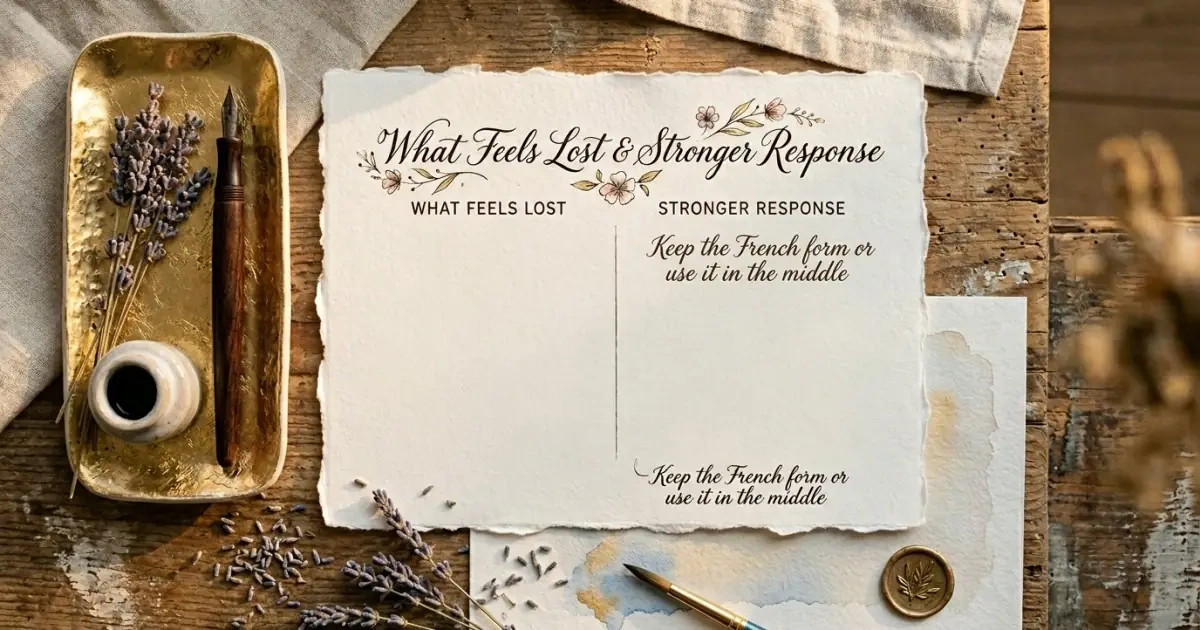
When the Easier Form Feels Too Flat
The opposite problem is just as real.
Parents may simplify the spelling or choose a familiar bridge form and immediately feel the loss. The name becomes easier, but the rhythm weakens. The visual elegance disappears. The French texture becomes too faint to satisfy the reason they loved the name.
That reaction matters.
| What Feels Lost | Stronger Response |
| Visual elegance | Keep the French form or use it in the middle |
| Softness | Try a related name with smoother sound |
| French identity | Choose a bridge with more texture |
| Literary polish | Compare tailored French names nearby |
| Distinctiveness | Avoid flattening only for convenience |
| Emotional charm | Return to the name family rather than forcing the easiest form |
Everyday ease should not empty out the name’s polish.
It should make that polish livable.

French Names Still Need Everyday Tests
Style matters. It is not enough.
A French name must still anchor gracefully to the surname, just as nickname potential and monogram combinations require honest scrutiny. Even administrative readability deserves attention; the name should not turn everyday paperwork into a chore. The real test is whether the whole name can move through childhood, adolescence, and adulthood without becoming fussy, fragile, or difficult to maintain.
| Everyday Test | What It Reveals |
| Full-name test | Whether the French name balances with the surname |
| Nickname test | Whether casual use supports or weakens the charm |
| Initials check | Prevents awkward combinations |
| Out-loud test | Whether the name feels natural in family speech |
| Paperwork test | Any spelling or accent-mark friction |
| Adulthood test | Long-term range |
| Backstory-free test | Whether the name works without explanation |
This is where imagined favorites often change position. A refined name may turn fussy once paired with the surname, just as a charming full form can be weakened by an unwanted nickname. Even a name that feels beautiful in infancy needs enough range for adolescence and adulthood.
For specific friction, use How to Match a First Name With Your Surname, How to Check Nickname Potential Before You Choose, How to Check Initials, Monograms, and Awkward Combinations, or How to Choose a Name That Ages Well. When the broader question is whether the name still works beyond its elegance, What Makes a Good Baby Name? gives the shortlist a stronger standard.

Mistakes That Turn French Style Into Performance
Most mistakes with French names come from overvaluing mood.
French atmosphere can easily seduce parents away from daily usability. A beautiful spelling may hide years of correction, while a softer sound can become fragile once it leaves the ideal accent. Moving too quickly toward a simplified form can flatten the very charm that made the name worth considering.
| Mistake | Why It Weakens the Choice | Cleaner Move |
| Choosing only by aesthetic atmosphere | The mood may outrun the name | Test ordinary speech |
| Assuming French-looking means elegant | The form may feel styled rather than natural | Check structure and usability |
| Over-stylizing with spelling | Visual beauty may create daily friction | Test correction burden |
| Flattening the name too early | The name may lose its charm | Compare bridge forms |
| Ignoring pronunciation drift | The sound may change the whole tone | Hear it in real accents |
| Forgetting nicknames | Casual use may become the problem | Pressure-test short forms |
| Skipping surname fit | A graceful first name can become fussy | Use the full-name test |
French names deserve more than admiration.
They need lived-name judgment.
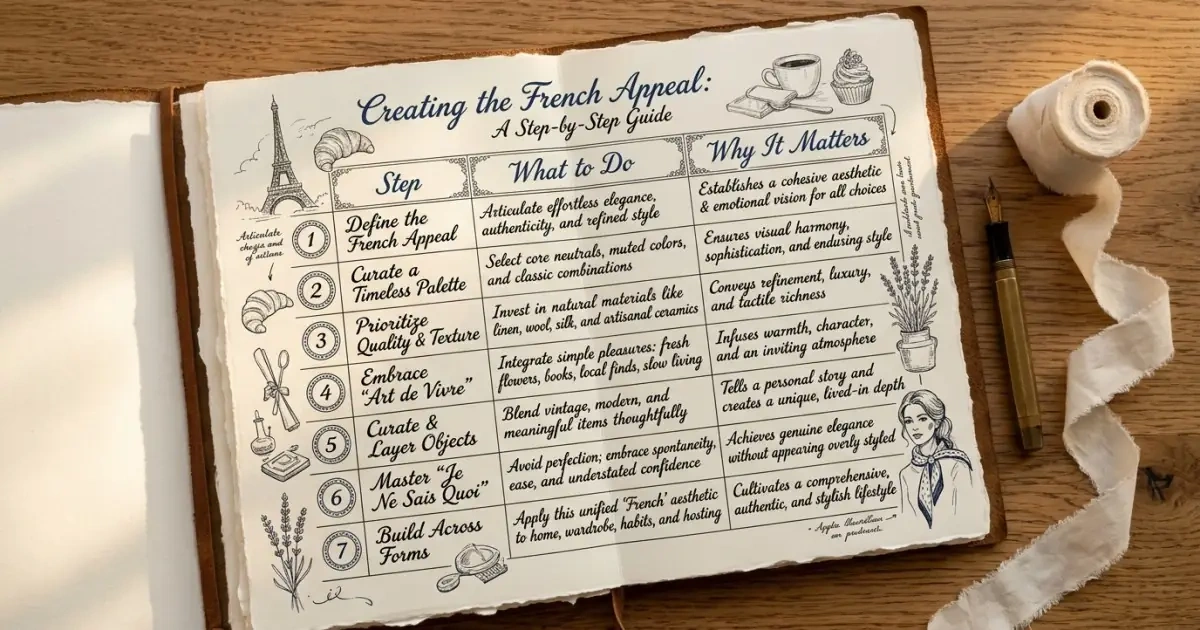
A Practical Framework for Choosing French Names Without Over-Stylizing Them
Use this process when your French shortlist feels caught between elegance and performance.
| Step | What to Do | Why It Matters |
| 1. Define the French appeal you want | Softness, polish, literary elegance, everyday chic, cultural roots, or visual style | Clarifies what must be preserved |
| 2. Build across forms | Include rooted forms, easier forms, bridge spellings, and nicknames | Avoids false extremes |
| 3. Test the aesthetic against speech | Say the name casually, not only beautifully | Reveals whether the charm survives real use |
| 4. Check pronunciation, spelling, and correction burden | Use the environment where your child will be known | Makes daily friction visible |
| 5. Test surname, nickname, initials, and adulthood fit | Treat the name as a full life name | Protects usability |
| 6. Notice where polish becomes performance | Diagnose the imbalance clearly | Points toward a calmer form |
| 7. Keep the name that feels graceful without strain | Choose beauty you can actually live with | Builds confidence |
Once the contenders are real, How to Compare Baby Names Objectively and How to Test a Baby Name Before Finalizing It can move the choice from admiration into proof.
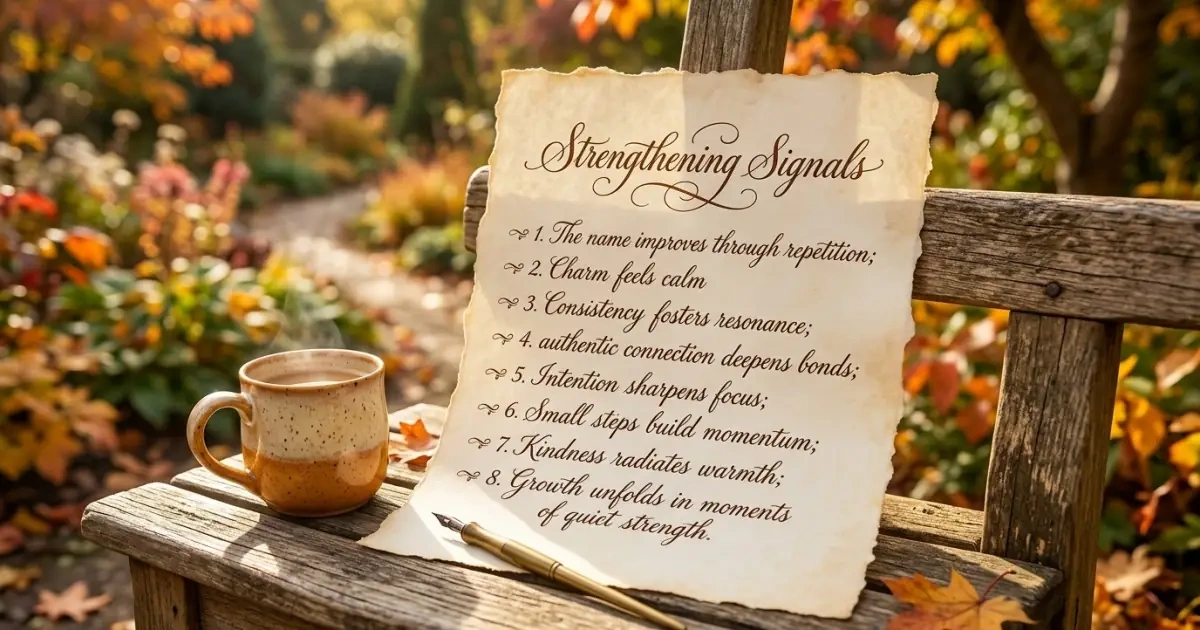
Signs a French Name Choice Is Getting Stronger
A strong French name gains confidence through use.
The style remains, but the self-consciousness fades. The name sounds natural in your real voice. The charm survives casual repetition. The nickname layer works. The surname does not fight the first name. Childhood and adulthood both feel plausible.
| Strengthening Signal | What It Suggests |
| The name improves through repetition | It may be livable, not only admired |
| Charm feels calm | French style is supporting the name |
| Pronunciation drift feels acceptable | The burden is chosen |
| The spelling feels worth keeping | The form matters enough |
| Nicknames feel natural | Daily life has room |
| Both parents use it with ease | The choice has family ownership |
A French name is not stronger because it looks more styled.
It is stronger when it becomes easier to imagine using often.
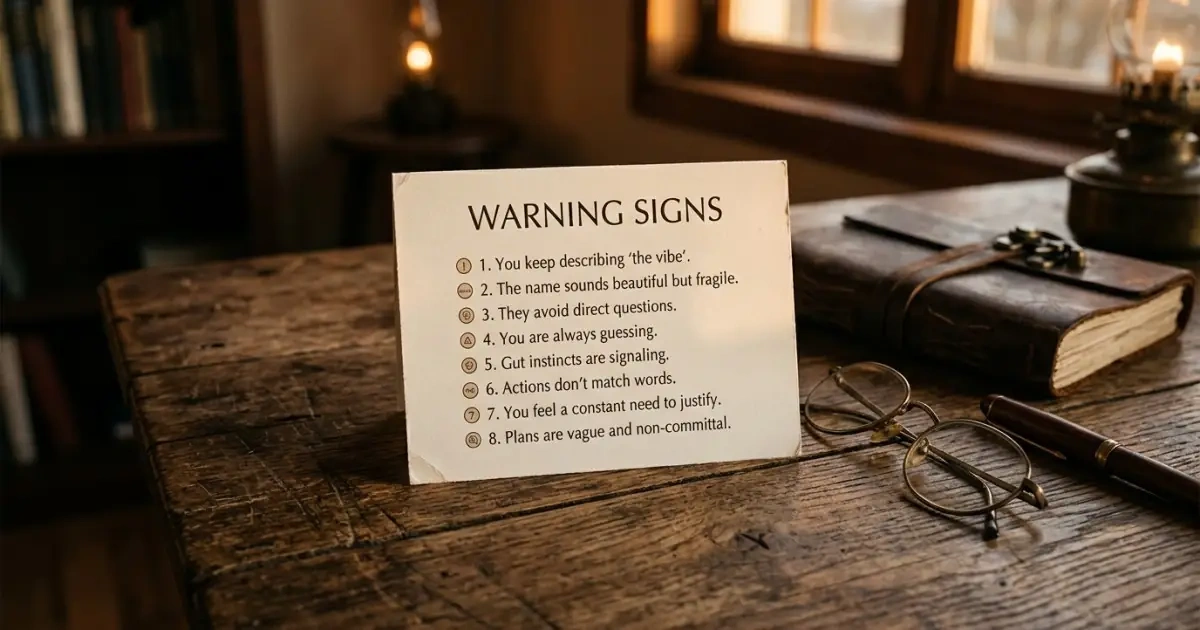
Signs the Name May Be Better Admired Than Used
Some French names are discoveries rather than final choices.
They may reveal your love of softness, polish, literary style, romance, or a particular visual form. That discovery still matters. It does not mean the name belongs on the birth certificate.
| Warning Sign | What It May Mean |
| You keep describing the vibe | The image may be carrying the choice |
| One parent hesitates aloud | The name has not become natural |
| The original form feels too much but the easier form feels too little | The name family may not have the right balance |
| The name works best in moodboards or captions | Image may be stronger than use |
| Nicknames feel wrong | Daily life is unresolved |
| The name sounds beautiful but fragile | Style may be outrunning fit |
A French name can be beautiful and still not be your child’s name.
That is not failure. It is discernment.
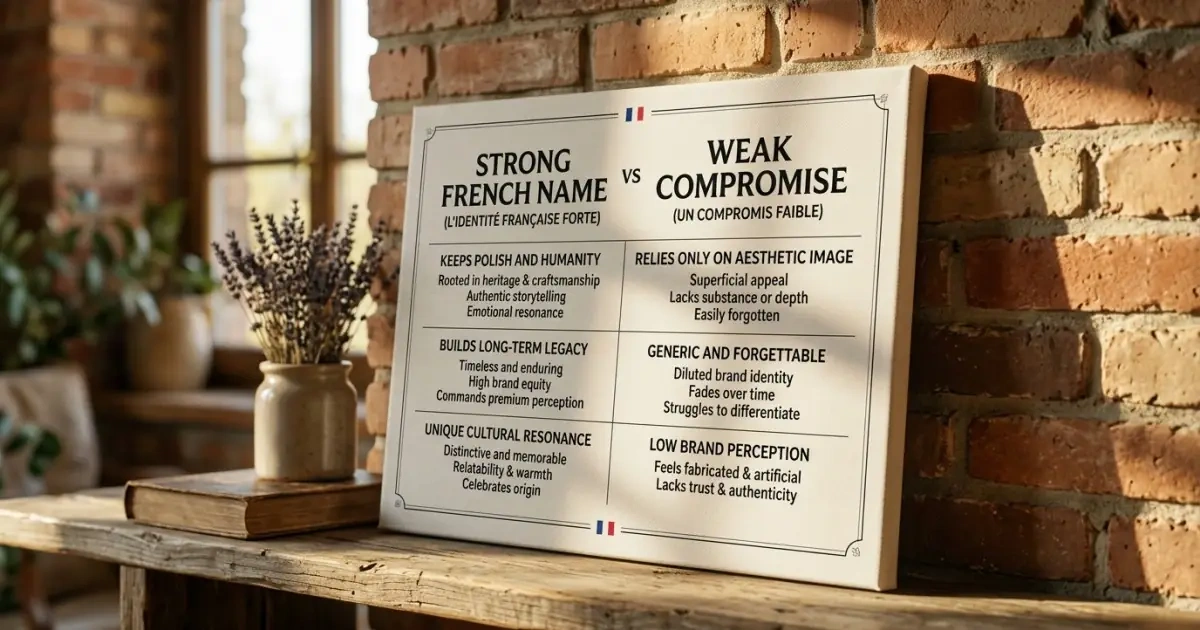
Polished, Believable, and Calm Is the Strongest Standard
The best French names do something subtle.
They keep enough French charm without becoming costume-like. They feel stylish without becoming fragile. They move through modern life without losing softness or poise.
That balance is the point.
| Strong French Name | Weak Compromise |
| Keeps polish and humanity | Relies only on aesthetic image |
| Feels natural in daily speech | Sounds performed every time |
| Looks elegant without feeling over-designed | Feels styled but not lived |
| Has manageable pronunciation | Creates correction no one wants |
| Works as a child and adult name | Belongs mainly to a mood |
The strongest French names are not necessarily the most decorated, most Parisian-looking, or most visually distinctive.
They remain composed under real use.
A French name should still feel human when spoken casually. When it does, the balance is usually right.

Questions Parents Ask About French Names Without Over-Stylizing Them
Does a French name need accent marks to feel authentic?
No. Accent marks can preserve beauty and rootedness, but the best choice is usually the form your family can use consistently without strain.
What if a French name is beautiful but feels too styled for daily life?
That usually means the root is working, but the form needs testing. A calmer related form, simpler spelling, nickname, or middle-name placement may preserve more than you expect.
Should you choose the original French spelling or the easier form?
Choose the version that keeps enough charm without creating unnecessary performance or correction burden. The more beautiful form is not always the more livable one.
Can a French name still feel elegant without sounding performative?
Yes. Many of the strongest French names feel polished precisely because they do not announce their elegance too loudly.
Is the more rooted form better than the more wearable one?
Not automatically. The stronger choice preserves what matters most while still working in your actual environment.
Can a French name work better as a middle name?
Yes. A middle name can carry French style, family connection, or cultural meaning without making the first name carry all the correction or image pressure.

Where to Go Next When a French Shortlist Feels Close
Let your exact friction point dictate the final move. When cultural reverence, spelling fatigue, and everyday elegance are competing, the structural thinking in How to Choose Names With Strong Cultural Roots Respectfully and How to Keep a Cultural Spelling Without Creating Constant Friction will serve you better than another round of beautifully styled lists.
For names testing the limits of shifting accents or international travel, the phonetic strategies in How to Choose Names That Work Across Different Accents and How to Choose a Name That Travels Well Internationally provide essential reality checks. Once your contenders survive ordinary use, push them through How to Compare Baby Names Objectively before letting pure elegance outrank daily fit.
For the wider editorial path through naming decisions, Expert Baby Naming Guides for Choosing the Right Name keeps the search organized once French-name admiration starts branching into style, pronunciation, surname fit, popularity, or final testing.
French names feel elegant in the strongest way when they keep their softness and structure without asking the family to carry more performance, correction, or image than they actually want. That is what makes the name not only polished, but fully livable.