
How to Pronounce Zelda: Sound Breakdown for Confident Speech
The most revealing moment in a name’s pronunciation is often not formal at all. It is the teacher pausing on the first day of school, the receptionist looking up from a clipboard, or the barista glancing at the cup and deciding in a fraction of a second where the stress belongs. Zelda is the kind of name that usually gets noticed before it gets spoken. The initial Z makes people alert. The name looks bright, distinctive, and slightly dramatic on the page, which means some speakers instinctively lean too hard into it. But spoken correctly, Zelda is not elaborate. It is clean, quick, and surprisingly disciplined.
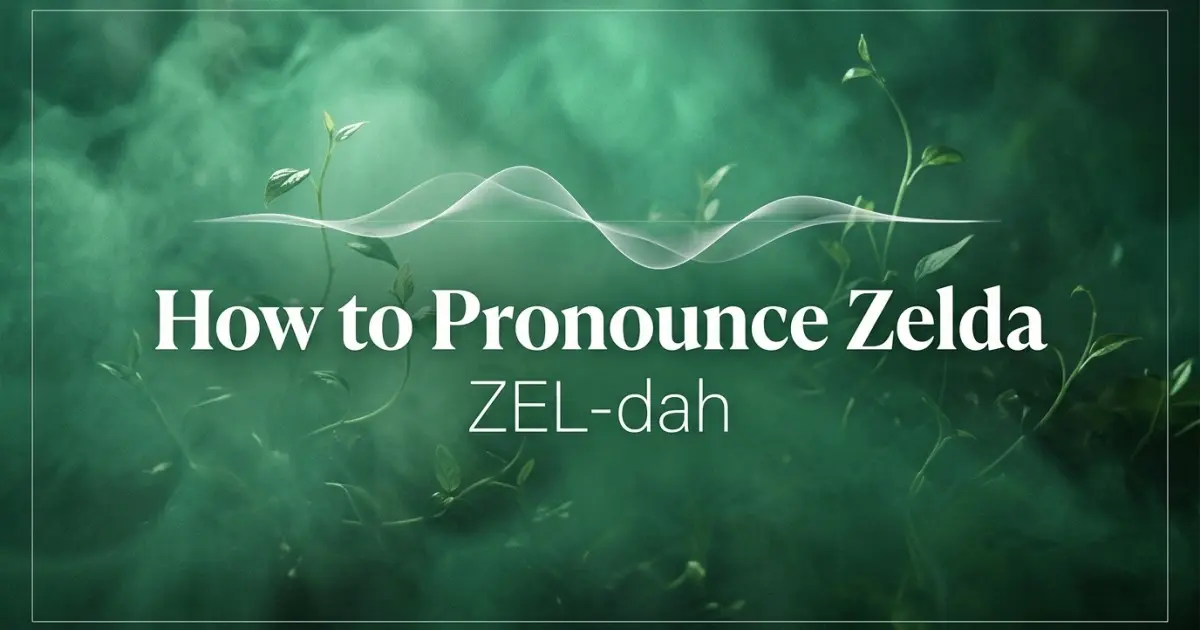
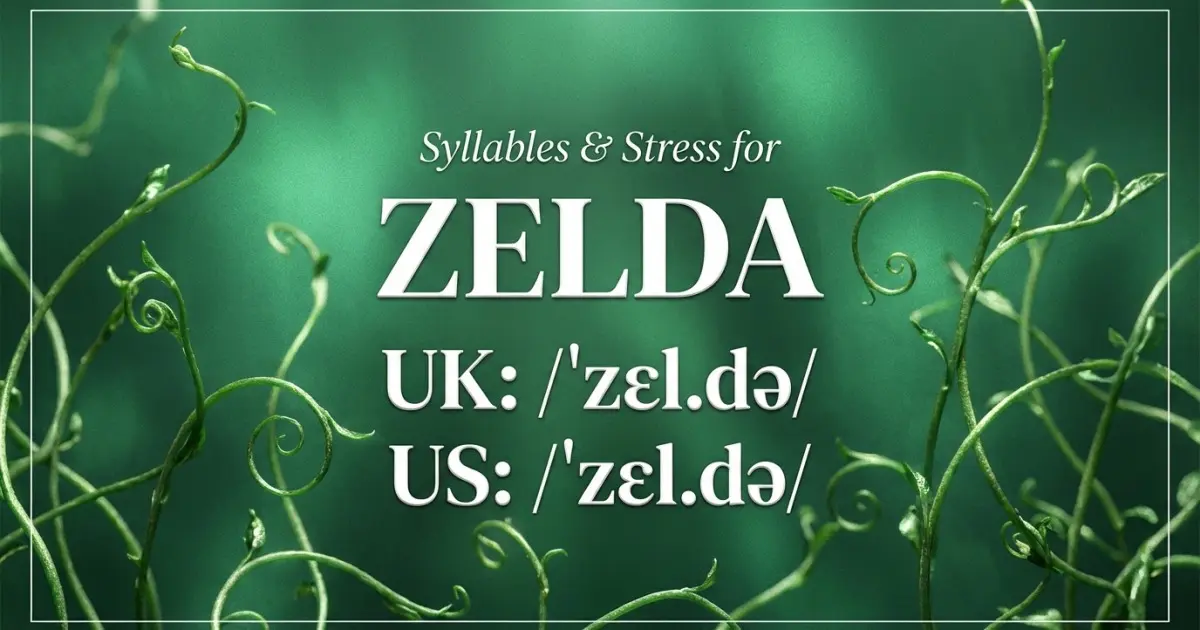
That is what makes the pronunciation important. A name this vivid can easily be overperformed. The standard spoken form is ZEL-duh, with two syllables and a strong first beat. Official pronunciation guidance gives /ˈzɛldə/ in American English and /ˈzeldə/ in British English. In practice, the difference is tiny. What matters far more is the rhythm: the opening syllable takes the weight, and the second syllable releases it. Once that pattern is heard, Zelda stops sounding theatrical and starts sounding exact.
What Zelda is actually asking the speaker to do
| Element | Phonetic Detail | Quick Tip |
|---|---|---|
| Everyday Pronunciation | ZEL-duh | Put the stress on the first syllable and let the second fall away lightly. |
| IPA (US) | /ˈzɛldə/ | The opening vowel is the short e sound from “bell,” not a long or airy vowel. |
| IPA (UK) | /ˈzeldə/ | The British form stays very close to the U.S. one, so the name remains stable across accents. |
| Syllable Count | 2 syllables | Think of Zelda as one strong beat followed by one lighter beat. |
| Primary Stress | First syllable | If the second syllable gets too much attention, the name loses its natural confidence. |
| Opening Consonant | Voiced Z sound | Start with a clear buzzing z, not a softened s sound. |
| Middle Consonant | Clear l in the stressed syllable | Keep the l audible so the first syllable feels anchored rather than rushed. |
| Ending | Reduced duh with a schwa | Let the last syllable relax; it should not sound as strong as the opening. |
Why Zelda sounds strong without sounding heavy
Zelda is a compact name, but its internal design is unusually efficient. The first syllable does most of the identity work. It begins with a voiced fricative, the z sound, which gives the name immediate energy. Then it moves into a short, grounded vowel and a clear l before closing the stressed syllable. That means the name opens with both brightness and structure. It catches the ear quickly, but it does not float. Pronunciation lands more fully when the name’s roots and history are already in view, so begin with Zelda meaning.
The second syllable does something equally important by doing less. duh is not meant to compete with ZEL. It exists to soften the landing and keep the name human. If Zelda ended in a harder final stop, it would sound too severe. If it ended in something brighter, it could sound too delicate. The reduced final syllable gives the name balance.
The first syllable of Zelda is where the whole name lives
The short e vowel in ZEL is essential. It keeps the name compact and grounded. Speakers should think of the vowel in words like “bell,” “fell,” or “ten,” not the broader sound in “ale” or the long vowel in “zee.” That short vowel is one reason Zelda feels strong. It does not drift. It lands.
The l also matters more than people think. In many quick pronunciations, speakers rush from the z into the d too quickly and reduce the clarity of the first syllable. But the l is what gives Zelda its center of gravity. It should be heard, not swallowed.
The second syllable of Zelda should soften, not disappear
The ending is a schwa-based syllable, the relaxed unstressed sound that appears constantly in English. That gives Zelda its conversational ease. But relaxed does not mean absent. A weak final syllable that vanishes entirely can make the name sound clipped. The ideal pronunciation keeps the second syllable audible while clearly subordinate to the first. In other words, the name should finish lightly, not lazily.
Where Zelda gets overplayed or misread
Because Zelda is culturally vivid, its pronunciation errors usually come from style rather than confusion. Speakers often recognize the name, but they bring too much performance to it.
When Zelda gets theatrical
One common mistake is overemphasis. People see the Z, feel the drama of the name, and pronounce it as though it needs flourish. That can lead to a wider vowel, an exaggerated first syllable, or a heavier second syllable. But Zelda is at its best when it sounds controlled. The correct pronunciation is not fussy. It is crisp.
A useful test is this: if the name sounds like it belongs more to costume than to conversation, it has probably been overdone.
When the ending gets too much weight
Another issue is equal stress across both syllables, or too much attention on the second. This can happen when speakers try to say the name very carefully and accidentally make it more formal than it should be. Zelda is not a name of two equal beats. It is a strong opening followed by a release. Once the second syllable begins to carry too much prominence, the name loses some of its natural authority. Because the strongest energy lands early, the shorter forms often grow from the opening of the name, and that pattern is easier to see in Zelda nicknames.
When the initial sound gets softened
Because some names beginning with Z are softened in certain accents or speech patterns, a few speakers may blur the opening into something too close to an s-like onset. That weakens the name immediately. Zelda needs the voiced buzz of the true z. That is part of what gives it its edge.
How Zelda behaves across accents and real-world speech
Zelda is unusually stable across English-speaking accents. The American and British IPA forms are nearly identical, and ordinary regional differences rarely change the core shape of the name. This is one reason Zelda remains so usable despite its strong personality. It sounds recognizably like itself in different mouths.
Zelda in American speech
In most American accents, the first syllable sounds very compact and direct. The short e is clear, the l is usually audible, and the final schwa stays light. American speech tends to suit Zelda well because the language is comfortable with strong initial stress and reduced endings.
Zelda in British and other English-speaking settings
In British English, the same stress pattern remains intact. The vowel quality may shift slightly in subtle ways, but not enough to change the name’s identity. The opening still leads. The second syllable still softens the finish. That consistency makes Zelda an easy name to carry internationally within English-speaking settings. It may be distinctive, but it is not unstable.
It also helps that Zelda contains no liquid consonant cluster, no difficult fricative pileup, and no visually misleading spelling. The name looks sharp because of the initial letter, but the actual sound sequence is efficient and easy to manage.
Why Zelda becomes easier once you stop staring at the Z
Many people overthink Zelda because the initial letter is visually dramatic. But once the eye stops focusing on the novelty of the Z, the sound pattern turns out to be very familiar: front-stressed, two syllables, reduced ending, clear consonants. In phonetic terms, Zelda is far more cooperative than its visual flair suggests.
That is part of the name’s strength. It makes a quick impression without forcing the speaker into difficulty. The structure is almost practical. It begins with force, centers itself quickly, and exits without fuss. This is why Zelda sounds so much stronger than many longer names. It wastes no motion.
How to practice Zelda until it sounds effortless
The best way to practice Zelda is to isolate the two beats, then put the name back into ordinary speech. Start with the parts:
ZEL | duh
Then join them without overemphasizing either piece:
ZEL-duh
If the second syllable begins to sound too heavy, lighten it. If the first syllable starts drifting toward a wider or longer vowel, bring it back to the short e sound of “bell.” The goal is not drama. It is precision.
Practice lines that help Zelda settle naturally
Zelda is here.
This is Zelda.
We’re waiting for Zelda.
Zelda said hello.
These lines help because names usually sound most natural inside sentence rhythm. Once Zelda sounds easy in a sentence, the pronunciation has usually settled correctly.
The simplest cue for saying Zelda well
A useful cue is this: start strong, finish light. That captures the whole name. The strength belongs in the first syllable, and the restraint belongs in the second. When those two things stay in balance, Zelda sounds exactly as it should—crisp, memorable, and entirely under control.
How to Pronounce Zelda: FAQ
How do you pronounce Zelda correctly?
The standard pronunciation is ZEL-duh, with two syllables and the stress on the first syllable.
Is Zelda pronounced differently in the U.S. and the U.K.?
Not in any major way. The American and British forms are almost identical, so the name stays stable across English accents.
What is the most common pronunciation mistake with Zelda?
The most common problem is overplaying the name—making it too theatrical or giving too much weight to the second syllable. Zelda sounds best when the first syllable is clear and the second stays light.
Is Zelda an easy name for strangers and teachers to say?
Yes. Despite its striking look, Zelda is generally easy to pronounce because it has a familiar English rhythm, strong initial stress, and a very stable sound pattern.