
How to Pronounce Lyra: Sound Breakdown for Confident Speech
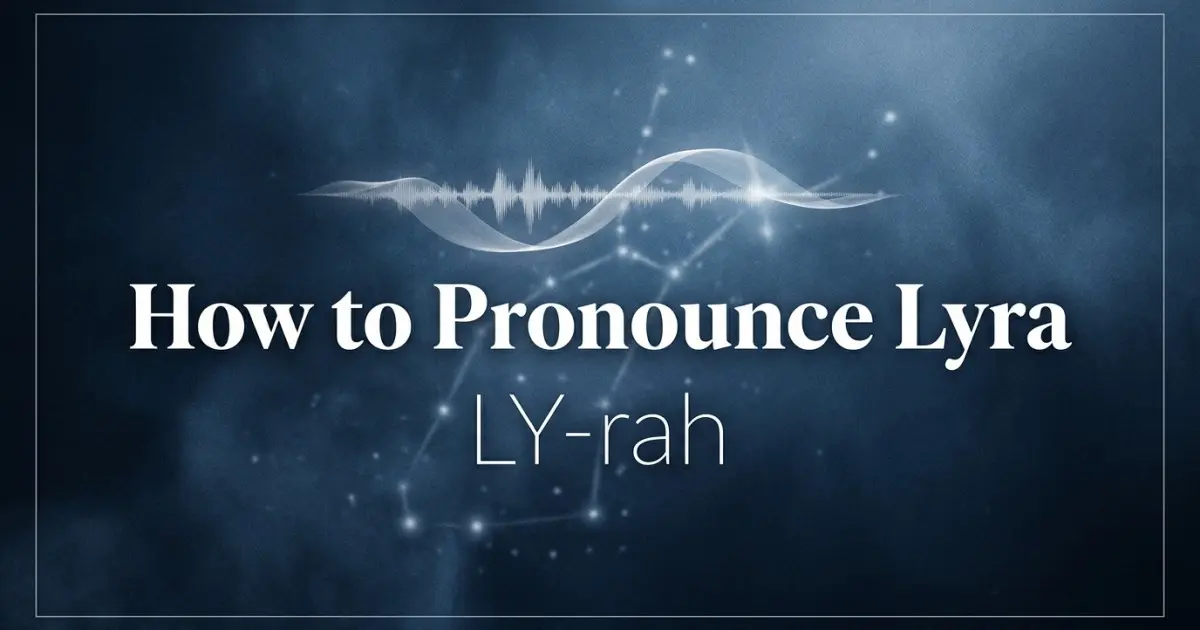
Lyra is the kind of name that often earns a half-second pause before it earns a confident voice. Picture a teacher reading a class list on the first morning of school. Most names fall into one of two groups: instantly familiar, or visibly difficult. Lyra sits in a more interesting place. It looks literary, mythic, and just uncommon enough that some people hesitate for a beat. Then they say it aloud—LY-ruh—and the hesitation usually disappears. The sound is much simpler than the visual impression suggests, and that is one of the name’s great practical strengths.
That ease matters because Lyra is usually encountered first on paper. It appears on rosters, forms, invitations, and class lists before it becomes a living voice in a room. A beautiful name can lose some of its elegance if people are always unsure how to say it. Lyra avoids most of that problem. Once heard once, it is easy to remember. The structure is clean, the stress is clear, and the English pronunciation is stable in both the United States and the United Kingdom. The real work is not complexity. It is simply getting the first syllable bright enough and the second syllable soft enough.
How Lyra is actually said when real people say it
Lyra sounds graceful because its pronunciation is built on a very simple pattern: one lifted opening syllable followed by one softer closing syllable. This is the basic shape that gives the name its lightness.
| Element | Phonetic Detail | Quick Tip |
|---|---|---|
| Common Pronunciation | LY-ruh | Say the first syllable like “lie,” then let the ending fall lightly into “ruh.” |
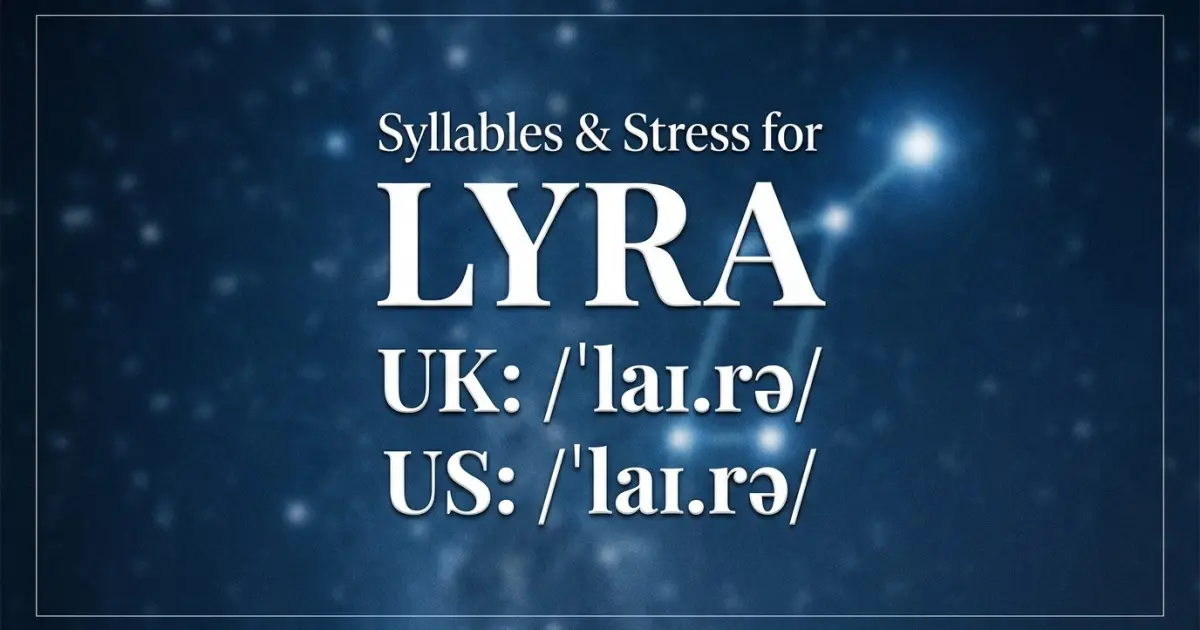
| US IPA | /ˈlaɪrə/ | The opening uses the long eye sound, not a flat lee or short lih. |
| UK IPA | /ˈlaɪrə/ | The standard British pronunciation is essentially the same as the American one. |
| Syllables | 2 syllables | Think of the name as two clean beats, not as one long blur. |
| Stress Pattern | Primary stress on the first syllable | Put the emphasis on LY, not on the ending. |
| Middle Consonant | /r/ liquid consonant | The r should glide naturally into the second syllable rather than sound hard or rolled. |
| Ending Sound | Unstressed schwa-like ending /ə/ | The ending is softer than “rah” and more relaxed than a fully articulated second beat. |
Why Lyra sounds right when the first syllable leads
Lyra works because the first syllable does most of the identifying work. The name begins with the diphthong /aɪ/, the same broad vowel movement heard in words like sky, my, and light. That gives the name immediate brightness. It opens forward. It does not sit flat in the mouth. Before focusing only on syllables and stress, it helps to step back into the fuller frame of Lyra meaning.
This is also why the common pronunciation is LY-ruh rather than LEE-ruh. The spelling can invite a first-read hesitation from people who do not yet know the name, but the standard sound is the bright lye opening, not a long lee sound. Once that first syllable is correct, the rest of the name becomes easy.
The stress pattern matters just as much. Lyra is not a name with equal weight on both syllables. English speakers hear it most naturally with the emphasis on the first beat. That strong opening gives the name energy and clarity. If the stress shifts too far toward the second syllable, the name starts to lose its polish.
Why the first syllable should feel bright, not heavy
The opening of Lyra should be clear and lifted, but not exaggerated. Some speakers, when meeting an uncommon name, over-enunciate it in a way that makes it sound more formal than it needs to be. Lyra sounds best in ordinary speech rhythm. The brightness should feel natural, not theatrical.
Why the ending of Lyra should stay soft
The second syllable is where the name relaxes. It is usually best heard as a light ruh, not a forceful rah. That difference may seem small, but it changes the tone of the whole name. A harder ending can make Lyra sound sharper and less graceful than intended. The standard pronunciation lets the name taper gently.
Lyra keeps the same basic sound across English accents
One practical advantage of Lyra is that its standard pronunciation is highly stable in English. The American and British IPA are the same: /ˈlaɪrə/. That is not true of every literary or classical-looking name. Many beautiful names split into noticeably different forms across accents. Lyra generally does not. It stays remarkably consistent.
This consistency makes the name easier to live with. Parents do not have to worry that the name will sound elegant in one country and confusing in another. In both major English-speaking standards, the structure remains the same: a bright first syllable, a soft second syllable, and no extra complication beyond that.
Accent notes that do not really change Lyra
Some speakers may make the r more present, especially in more strongly rhotic accents. Others may let it glide more lightly into the second syllable. These are normal accent textures, not different pronunciations. The name remains recognizably Lyra throughout.
Sound neighbors that help people hear Lyra correctly
If someone is unsure, the easiest clue is to think of the opening as the word lie, then add a soft ruh. This is often more helpful than relying on spelling alone. It also separates Lyra from nearby names such as Lila or Lyla, which share the bright first vowel but end differently. Lyra’s internal r gives it more glide and slightly more texture. Because the strongest energy lands early, the shorter forms often grow from the opening of the name, and that pattern is easier to see in Lyra nicknames.
Where Lyra most often gets mispronounced
Lyra is not a difficult name, but it does attract a few predictable mistakes, mostly from readers seeing it before hearing it. These are not deep pronunciation problems. They are first-contact errors.
The “LEE-ruh” mistake
This is probably the most common first-read guess. The spelling can tempt some people toward a long ee sound at the start, especially if they are thinking visually rather than phonetically. But in standard English use, Lyra begins with the eye sound. Once corrected once, most people do not repeat the mistake.
The “LYE-rah” overcorrection
Another issue is overemphasizing the final vowel and making the second syllable sound too open, almost like rah. That can happen when speakers try to make the name sound more classically dramatic than it is. In real use, the ending is lighter and more relaxed.
The too-careful literary pronunciation
Because Lyra looks like a name from myth, fiction, or astronomy, some people say it too carefully, as though reading from a formal text. But Lyra is one of those names that becomes more elegant when spoken more naturally. The best version is not the most ornate version. It is the most effortless one.
How to practice Lyra so it sounds natural in daily life
The easiest way to lock in a name is not to repeat it in isolation, but to place it inside normal spoken sentences. That helps the stress pattern settle automatically and keeps the pronunciation from becoming overperformed.
Practice lines that make Lyra feel easy
Lyra, your class starts at nine.
This is Lyra James.
Have you seen Lyra today?
Lyra is waiting by the door.
These sentences matter because they place the name in everyday English rhythm. Once Lyra is heard in normal use, the pronunciation tends to feel obvious: LY-ruh, not too flat, not too dramatic, and never crowded by extra syllables.
Why Lyra is easier than it looks
Lyra can appear more difficult on paper because it looks unusual enough to make readers pause. But its sound structure is actually simple: two syllables, clear first stress, stable vowel pattern, soft ending. That is why the name is usually remembered quickly once spoken aloud. It is literary in appearance, but friendly in the mouth.